Baking Brilliance: Techniques and Recipes for Delicious Low Oxalate Treats
Navigating a low oxalate diet doesn't mean giving up delicious baked goods! I'm sharing clever ingredient swaps and baking techniques so you can enjoy your favorite treats without worry.
Baking Brilliance: Techniques and Recipes for Delicious Low Oxalate Treats
Baking is such a joy, isn't it? The cozy aroma filling your kitchen, the anticipation of that first bite of a warm, comforting treat. But when you're navigating a low oxalate diet, it can sometimes feel like you're constantly saying no to those beloved baked goods.
I know how frustrating it can be to scan a recipe, only to realize that many of your go-to ingredients are off-limits. You're probably thinking, "Can I *really* still enjoy a homemade cookie or a slice of cake without worrying?" The good news is, you absolutely *can*! It just takes a little knowledge and a few clever swaps, and I'm here to show you how.
Understanding Oxalate in Baking: What You Need to Know
First, let's quickly chat about oxalates. Oxalates are natural compounds found in many plants, and for some people, consuming too many can contribute to health issues, particularly kidney stones. When we're talking about baking, some of the most popular ingredients, like almond flour and dark chocolate, happen to be quite high in oxalate.
This doesn't mean you're doomed to a life without dessert, though! It simply means we need to be smart about our ingredient choices. We're not just swapping ingredients; we're embracing a whole new world of delicious possibilities that are gentle on your system.
Mastering Low Oxalate Flours: Your Foundation for Success
One of the biggest hurdles in low oxalate baking, especially if you're also gluten-free, is finding the right flour. Almond flour, a popular gluten-free staple, is unfortunately very high in oxalate. But don't worry, there are fantastic alternatives that will give you wonderful results.
Gluten-Free Flour Blends That Work Wonders
If you're avoiding gluten, you'll want to lean on blends that provide structure and tenderness without the high oxalate load. Research into low oxalate baking techniques highlights some excellent combinations:
- All-Purpose GF Blend: Try a mix of 2 parts white rice flour, 2/3 part tapioca starch, and 1/3 part potato starch. This blend is versatile and works well for many recipes.
- Light & Tender Crumb Blend: For a softer texture, combine 1 part white rice flour, 1 part oat flour (make sure it's plain, non-bran oats ground fine), and 1/2 part tapioca starch. Oat flour is generally well-tolerated and adds a lovely chewiness.
- Cookie & Shortbread Blend: For crispier treats, go for 3 parts white rice flour and 1 part tapioca starch.
You can often substitute these blends 1:1 for regular all-purpose flour in most recipes. A little tip: adding about 1/4 teaspoon of xanthan gum per cup of flour blend can really help replicate the structure that gluten provides in cakes and breads, giving you a less crumbly result.
For Those Who Can Enjoy Gluten
If gluten isn't an issue for you, good old all-purpose white flour is actually naturally low in oxalate! This makes things a bit simpler, as many traditional baking recipes already use it. You can often adapt your favorite recipes with fewer major changes if this is your base.
The Sweet Swap: Conquering Chocolate Cravings
Let's be honest, for many of us, the biggest challenge in low oxalate baking is saying goodbye to traditional chocolate. All forms of cocoa and dark chocolate are very high in oxalate, which can feel like a real bummer. But I promise you, there's a delicious solution!
Enter carob! This amazing ingredient is your new best friend for all things chocolatey. It's naturally sweeter, has a lovely maltier flavor, and contains no caffeine or oxalates. Experts in low oxalate baking techniques recommend it as the primary substitute.
- Carob powder can substitute 1:1 for cocoa powder in recipes. You might even find you need a *little* less sugar because of its natural sweetness.
- Carob chips are a perfect 1:1 swap for chocolate chips in cookies, muffins, or even melted for a drizzle.
Carob works beautifully in cookies, muffins, brownies, cakes, and even energy balls. It's a game-changer! And if you're craving something creamy and sweet, white chocolate is also oxalate-free since it doesn't contain cocoa solids. It's a lovely option for chips or a drizzle to brighten up your low oxalate treats.
Beyond the Basics: Fats, Fruits, and Flavor Boosters
Once you've got your flours and chocolate swaps down, let's look at some other fantastic ingredients that fit perfectly into low oxalate baking.
Fats That Get a Green Light
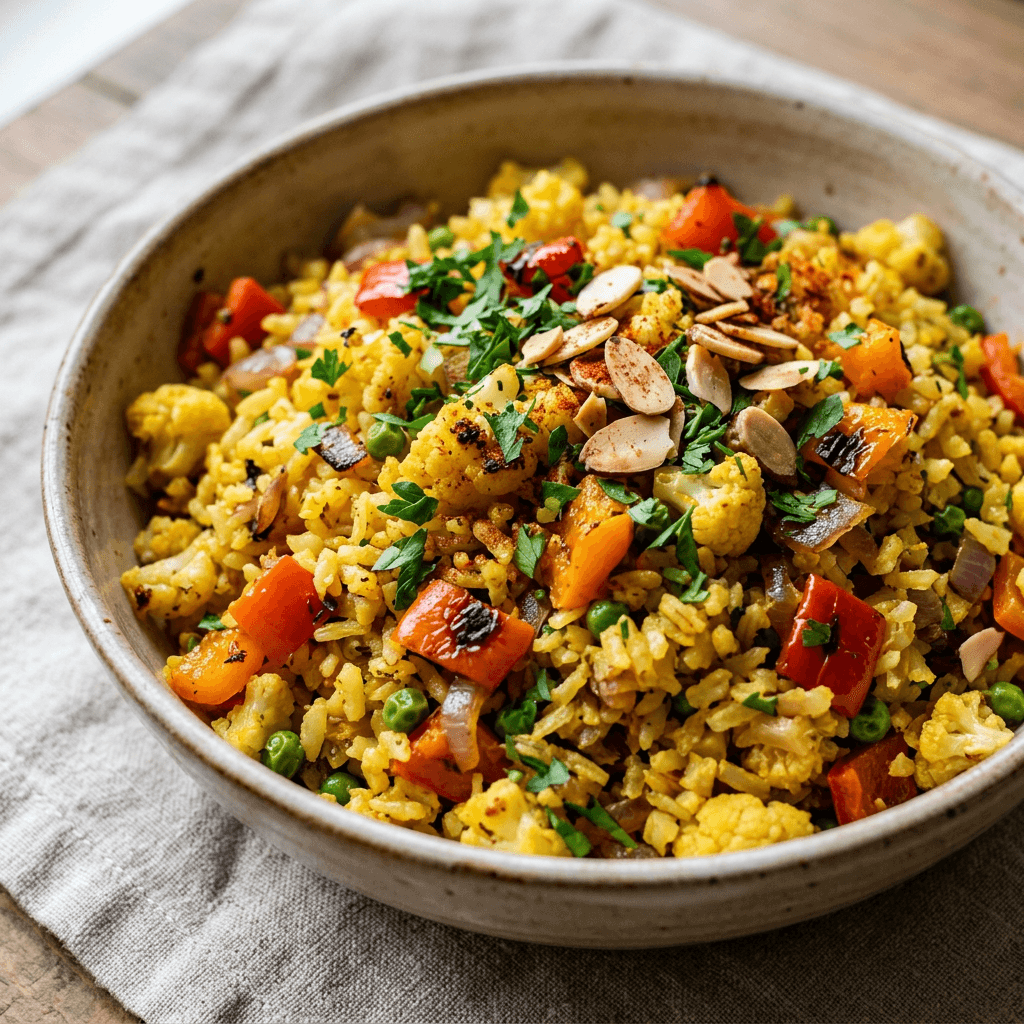
Good news here! Butter is very low in oxalate and is a preferred fat for low oxalate baking. It adds wonderful flavor and richness. If you're looking for oils, light olive oil can be a good choice, too. You can see it used in our Low Oxalate Cauliflower Tabbouleh Bowls, which, while not a baked good, demonstrates its versatility in low oxalate cooking.
Fruity Sweetness and Texture
Many fruits are high in oxalate, but there are plenty of low oxalate options that bring natural sweetness and moisture to your baked goods:
- Mashed banana: An excellent natural sweetener and binder, especially in muffins and quick breads.
- Peeled apple: Great for adding moisture and subtle sweetness to muffins and loaves.
- Peeled peach or pear: Lovely in compotes or diced into cakes.
- Mango: Adds a tropical twist, wonderful in creamy desserts or as a topping.
You'll want to avoid berry toppings like raspberries and blackberries, which are higher in oxalate, and instead focus on these delightful alternatives.
Nuts and Other Crunch
Many popular nuts are high in oxalate, but you don't have to miss out on that satisfying crunch! Try these instead:
- Macadamia nuts: A fantastic low oxalate nut option, perfect for adding richness and texture.
- Unsweetened shredded coconut: Adds a lovely tropical flavor and chewiness to cookies and cakes.
- Sunflower seed butter: A good alternative if you're looking to replace peanut butter (which can be moderate-high oxalate) in moderation.
Baking Smarter: Calcium Pairing for Extra Support
Here's a clever trick that can offer an extra layer of support, especially for those managing kidney stones: pairing calcium-rich ingredients with your low oxalate baked goods. Our understanding of food intolerance highlights that inhibitors like oxalates can bind to calcium, and we can use this to our advantage. The idea is that calcium can bind to any dietary oxalate in your gut *before* it gets absorbed into your body.
So, when you're baking, consider these additions:
- Use dairy milk: Instead of plant milks, opt for cow's milk in your recipes.
- Add cream cheese or full-fat yogurt: These can be wonderful additions to batters, adding moisture and a calcium boost. Think about how delicious cream cheese is in our Baked Ricotta with Tomato & Fresh Herbs – that same creamy goodness can be adapted for sweet treats!
- Serve with dairy: Enjoy your baked goods with a glass of milk or a dollop of yogurt on the side.
This strategy helps make your treats even more kidney-friendly, turning your baking into a truly supportive experience.
Bringing it All Together: Practical Baking Adaptations
Now that we've covered the key ingredient swaps, let's look at how you can adapt some of your favorite types of baked goods to be low oxalate. This is where the magic happens!
Muffins and Quick Breads
These are often the easiest to adapt. You'll want to:
- Flour: Swap almond flour for a white rice flour and oat flour blend.
- Fruit: Use mashed banana or peeled apple for moisture and sweetness.
- Chocolate: Replace dark chocolate chips with carob chips.
- Crunch: Add macadamia nuts or coconut instead of almonds.
Remember, many Mediterranean-inspired principles focus on fresh, simple ingredients, and these adaptations fit right in with that wholesome approach.
Cookies
Who doesn't love a good cookie? You can definitely make them low oxalate:
- Flour: All-purpose flour or a white rice flour blend works beautifully.
- Chocolate: Carob chips are your perfect 1:1 replacement for chocolate chips.
- Texture: Coconut flakes can add a lovely texture where you might have used almond slivers before.
- Nut Butters: Consider sunflower seed butter in moderation if you're avoiding peanut butter.
Cheesecakes and Creamy Desserts
Great news here! Many cheesecakes are already naturally low oxalate because they rely on cream cheese, eggs, and sugar. This is where you can truly shine!
- Base: A simple cookie crust made with low oxalate flours works well.
- Toppings: Avoid high oxalate berry toppings. Instead, create delicious compotes from peach, mango, banana, or peeled pear.
Cakes and Cupcakes
Your classic cake recipes are often quite adaptable:
- Basic Ingredients: Standard recipes using white or all-purpose flour, butter, eggs, milk, and sugar are generally low oxalate to begin with.
- Chocolate Cake: Replace cocoa powder with carob powder for a delicious "chocolate" cake.
- Add-ins: Skip walnuts (which are moderate-high oxalate) and use macadamia nuts or coconut instead.
Your Baking Adventure Starts Now!
See? You absolutely don't have to give up the joy of baking and indulging in delicious treats just because you're following a low oxalate diet. It's all about making informed choices and getting a little creative in the kitchen. I've seen so many people discover new favorite recipes and ingredients they never would have tried otherwise!
I hope this has given you a sense of empowerment and excitement about your baking journey. You're capable of creating truly wonderful things. Why don't you pick just one new flour blend or try carob chips in your next batch of cookies? You've got this, and I can't wait to hear what delicious low oxalate treats you whip up!
Which foods are behind your symptoms?
A free 60-second check to help you narrow it down — plus recipes matched to what works for your body.
Find my food triggers