Baking Without Oxalates: Smart Swaps for Flour, Nuts, and Seeds
Think a low oxalate diet means giving up your favorite baked goods? Not at all! I'm here to show you how to make smart swaps for flour, nuts, and seeds so you can enjoy delicious, oxalate-friendly treats again.
Baking Without Oxalates: Smart Swaps for Flour, Nuts, and Seeds
Oh, the joy of baking! The aroma filling your kitchen, the anticipation of that first warm bite… it's truly one of life's simple pleasures, isn't it? But if you're navigating a low oxalate diet, you might feel like many of your favorite baking traditions have been put on hold. I've heard from so many of you who miss whipping up a batch of almond flour muffins or a chocolatey treat, feeling like your options are suddenly so limited.
It can feel incredibly frustrating when dietary needs mean saying goodbye to beloved ingredients. You might think that delicious, satisfying baked goods are simply out of reach. But let me tell you, that's absolutely not the case! I've been diving deep into the world of low oxalate baking, and I'm so excited to share some fantastic news: you can absolutely still bake wonderful, flavorful treats.
The good news is, with a little knowledge and a few clever swaps, you'll be creating delightful desserts and savory bakes that fit beautifully into your low oxalate lifestyle. It's all about understanding which ingredients to choose and how to make them work for you. Let's get started on reclaiming your baking joy!
Understanding Oxalates in Baking: It's Not Just Spinach!
Before we jump into all the delicious alternatives, let's quickly chat about oxalates themselves. Oxalates are natural compounds found in many plants, and while they're harmless for most people, for some of us, they can cause discomfort or contribute to kidney stone formation. That's why managing oxalate intake can be really important for certain individuals.
When it comes to baking, some of our most popular ingredients are surprisingly high in oxalates. Think about it: almond flour, which has become a staple in gluten-free and low-carb baking, is actually quite high. And what about cocoa powder, those lovely chia seeds, or even some types of wheat flour? They can all add up, making traditional recipes a bit tricky.
I know it can feel disheartening to discover that ingredients you love might be causing issues. But please don't let that discourage you! My goal today isn't to take away your favorite foods, but to show you how many amazing low oxalate baking alternatives are waiting for you. You're going to be so surprised by the variety and flavor we can achieve together.
Flour Power! Low Oxalate Baking Alternatives for Your Base
Let's talk flour, because that's often where the biggest oxalate culprits hide. Many popular flours, like almond flour and even whole wheat flour, can be quite high in oxalates. But don't worry, you've got a fantastic array of choices that are much kinder to your system!
When you're looking for low oxalate flour, you'll want to explore options that offer different textures and flavors. Sometimes, a blend of a few different low oxalate flours works best to get that perfect consistency, mimicking the structure of traditional wheat flour. It's a fun experiment!
Here are some of my favorite low oxalate flour alternatives to get you started:
- White Rice Flour: This is a wonderful, versatile base. It's quite neutral in flavor and provides a good structure for many baked goods. It's generally lower in oxalates than brown rice flour, so it's often my first choice.
- Tapioca Flour/Starch: Perfect for adding a lovely chewiness and binding ingredients together. It's fantastic in things like cookies, pie crusts, and even some breads. Tapioca flour is incredibly low in oxalates.
- Arrowroot Powder: Similar to tapioca, arrowroot acts as a great thickener and binder. It gives a light, delicate texture and is another excellent low oxalate choice for your baking needs.
- Coconut Flour: While it's very absorbent and requires a lot more liquid in recipes, coconut flour is a fantastic low oxalate option. It adds a subtle sweetness and a lovely texture, but remember, a little goes a long way!
- Millet Flour: This gluten-free flour has a mild, slightly sweet flavor and is a good source of nutrients. It's a wonderful choice for adding substance to your baked goods without the high oxalate load.
- Sorghum Flour: Another great gluten-free, low oxalate option, sorghum flour has a slightly sweet, mild flavor and a soft texture. It can be a bit crumbly on its own, so it often pairs well with other flours.
Remember, each of these flours behaves a little differently, so don't be afraid to experiment! You might find that a blend of white rice flour, tapioca starch, and a touch of coconut flour becomes your new go-to for many recipes.
Nutty About Nuts? Smart Swaps for Low Oxalate Baking
Oh, how we love nuts in baking! That rich flavor, the satisfying crunch, the healthy fats… but alas, many popular nuts, especially almonds and cashews, are quite high in oxalates. If you've been relying on almond flour for your gluten-free baking, I know this can feel like a big hurdle. But trust me, you've got some wonderfully delicious low oxalate nuts and nut-like alternatives that will bring all that texture and flavor back to your kitchen.
The key here is to think about what you love about nuts and find alternatives that offer similar benefits. Do you want crunch? Creaminess? A specific flavor profile? There's a low oxalate nut for that!
Here are some fantastic choices for your low oxalate baking:
- Macadamia Nuts: These are a true gift to the low oxalate baker! They're incredibly low in oxalates, wonderfully buttery, and add a rich, decadent flavor and creamy texture. You can use them chopped in cookies, ground into a "flour" for crusts, or even make macadamia nut butter.
- Tiger Nuts: Now, these are a bit of a trick! Tiger nuts aren't actually nuts; they're small tubers. They have a slightly sweet, nutty flavor and a chewy texture, making them a fantastic low oxalate alternative for adding crunch and substance. You can find them whole, sliced, or even as a flour.
- Coconut: Shredded coconut, coconut flakes, and even coconut butter are excellent low oxalate options. They add a lovely tropical flavor and wonderful texture, whether you're sprinkling them on top or incorporating them into your batter.
While pecans are often listed as moderate oxalate, they are significantly lower than almonds and cashews, and many people on a low oxalate journey find they can enjoy them in moderation. It's always about finding what works *best* for you.
Seed the Day! Low Oxalate Alternatives for Sprinkles and Texture
Seeds are another common ingredient in baking, often used for added nutrition, texture, and visual appeal. Unfortunately, many popular seeds like chia, flax, poppy, and sesame seeds are quite high in oxalates. I know, it's a bummer when you're trying to add those healthy touches!
But fear not! You don't have to give up on adding those lovely little bursts of flavor and crunch. There are some wonderful low oxalate seeds and seed-like alternatives that will help you achieve that perfect texture and boost your baked goods.
When you're looking for low oxalate seeds, think about how they'll contribute to the overall dish. Are you looking for a garnish, a binder, or something to add a bit of chew? These options have you covered:
- Hemp Seeds (Hemp Hearts): These little powerhouses are incredibly low in oxalates and packed with nutrition. They have a mild, slightly nutty flavor and a soft texture, making them perfect for sprinkling on top of muffins, mixing into batters, or even blending into smoothies for extra creaminess.
- Pumpkin Seeds: While often considered moderate in oxalates, pumpkin seeds are generally much lower than chia or flax and are often well-tolerated in a low oxalate diet in reasonable amounts. They add a delightful crunch and savory note, especially when lightly toasted.
- Sunflower Seeds: Similar to pumpkin seeds, sunflower seeds are also in the moderate oxalate category, but typically lower than many other seeds. They're fantastic for adding a satisfying crunch and nutty flavor to breads, crackers, and even cookies.
As always, listening to your body is key, especially with moderate oxalate options like pumpkin and sunflower seeds. Start with small amounts and see how you feel. The goal is to expand your baking repertoire safely and deliciously!
Flavor Boosters & Sweeteners: Keeping It Low Oxalate
Once you've got your low oxalate flours, nuts, and seeds sorted, let's think about the exciting world of flavor! You might be wondering about chocolate, spices, and sweeteners. Good news: many of your favorite flavor enhancers are naturally low oxalate, and there are excellent swaps for those that aren't.
One of the biggest questions I get is about chocolate, and unfortunately, cocoa powder is quite high in oxalates. But don't despair if you love that chocolatey taste! I've got a fantastic alternative for you.
- Carob Powder: This is your new best friend for chocolate cravings! Carob has a naturally sweet, earthy flavor that's reminiscent of cocoa but is very low in oxalates. You can use it in cakes, cookies, and even hot drinks. It's a truly wonderful low oxalate chocolate alternative.
- Vanilla Extract: Pure vanilla extract is naturally low in oxalates and adds a beautiful warmth and depth to almost any baked good. Don't skimp on the good stuff!
- Cinnamon, Nutmeg, Ginger, Cloves: Most common baking spices are wonderfully low in oxalates. So go ahead and embrace those cozy, aromatic flavors in your muffins, pies, and cookies.
- Citrus Zest: Lemon, orange, and lime zest are fantastic for adding bright, fresh flavor without adding oxalates. They can really elevate a simple bake!
- Sweeteners: Granulated sugar (white and brown), maple syrup, and honey are generally considered low oxalate. You can enjoy these natural sweeteners in your baking without worry. Just be mindful of molasses, which can be higher in oxalates.
With these flavor boosters, you'll find your low oxalate baked goods are anything but bland. You're opening up a whole new world of delicious possibilities!
Putting It All Together: Your Low Oxalate Baking Toolkit
Alright, you've got the knowledge, now let's talk about putting it into practice. Transitioning to oxalate friendly baking can feel like a big step, but it's actually simpler than it sounds. Think of it as an exciting culinary adventure!
Here are my top practical tips for success in your low oxalate baking journey:
- Start Small: Don't try to overhaul every single recipe overnight. Pick one favorite recipe – maybe a simple cookie or muffin – and try swapping out just one or two high oxalate ingredients first.
- Blend Your Flours: Low oxalate flours often perform best when combined. For example, a mix of white rice flour for structure, tapioca for chew, and a touch of coconut flour for flavor and absorption can create a beautifully balanced texture.
- Hydration is Key: Remember that some low oxalate flours, like coconut flour, are incredibly absorbent. You'll often need to increase the liquid in your recipes significantly when using them. It's a good idea to add liquid gradually until you reach the desired batter consistency.
- Embrace New Flavors: Instead of trying to exactly replicate a high oxalate recipe, let your new low oxalate ingredients shine! Celebrate the unique flavors of macadamia nuts, carob, and millet. You might discover new favorites!
- Read Labels Carefully: Always double-check ingredient lists on packaged goods, even things like baking powder or extracts, to ensure there aren't any hidden high oxalate ingredients.
- Keep a Baking Journal: This is one of my favorite tips! Jot down what swaps you made, how much liquid you used, and how the final product turned out. It'll save you so much time and guesswork in the future.
- Consult Reliable Resources: For detailed oxalate content information, I often recommend looking at resources like the Harvard School of Public Health's oxalate list. It's a great guide to help you make informed choices.
Baking is a science and an art, and you're now equipped with a fantastic new toolkit. You're not just making food; you're nurturing yourself and finding joy in the process.
Reclaim Your Baking Joy!
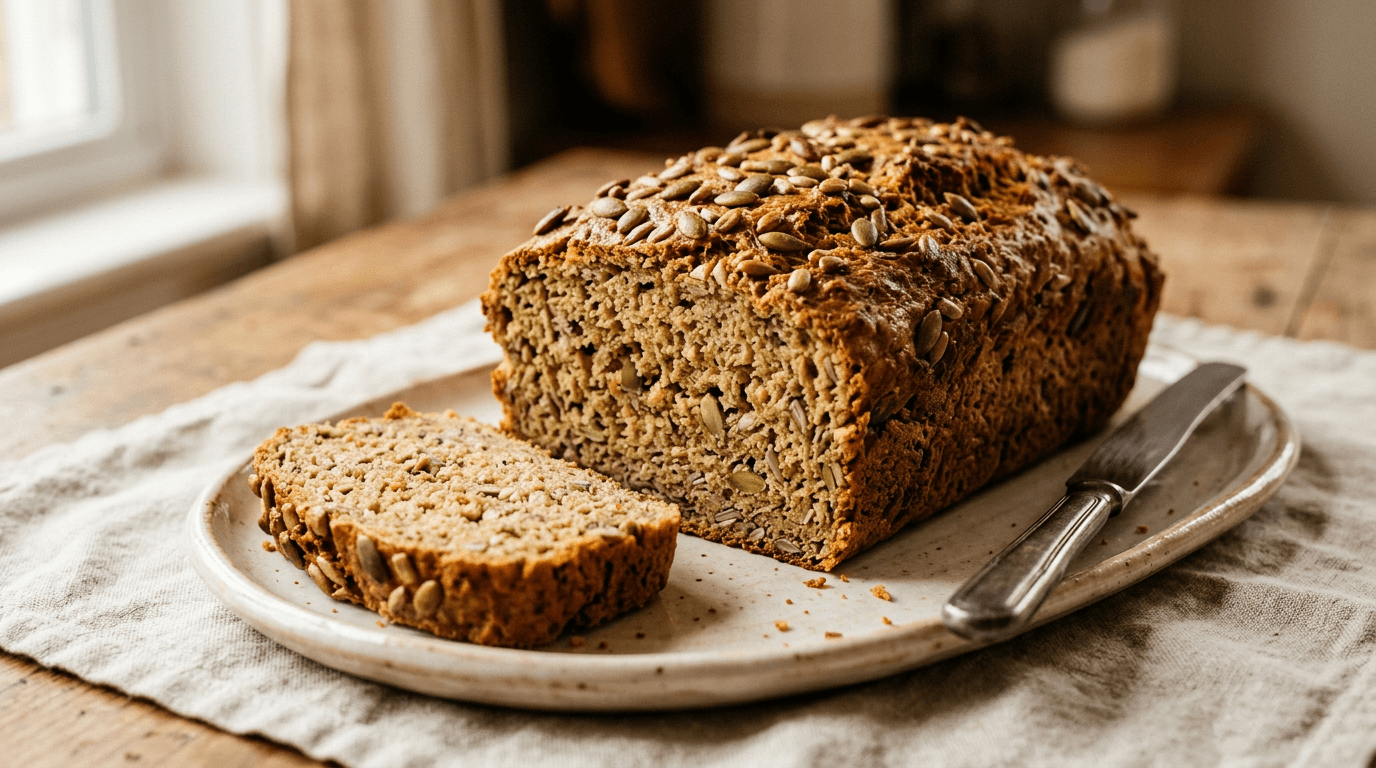
I hope you're feeling a renewed sense of excitement about baking! It's truly wonderful how many low oxalate baking alternatives are available, allowing you to create delicious, comforting treats without compromising your well-being. You don't have to miss out on the simple pleasure of a homemade cookie or a warm slice of bread anymore.
Remember, this isn't about restriction; it's about expansion and discovering new ways to nourish yourself joyfully. Your kitchen can still be a place of creativity and delicious aromas, even with dietary considerations. You've got this!
Why don't you pick just one of these low oxalate baking alternatives – maybe try swapping white rice flour for half of your usual flour in a favorite recipe – this week? I can't wait to hear what wonderful things you bake up!
Which foods are behind your symptoms?
A free 60-second check to help you narrow it down — plus recipes matched to what works for your body.
Find my food triggers