Beyond Food Lists: Understanding Histamine Liberators and Other Triggers for a Deeper Dive into Histamine Intolerance
Feel like you're avoiding all the right foods but still have symptoms? It might be time to look beyond high-histamine foods to the world of histamine liberators and other sneaky triggers.
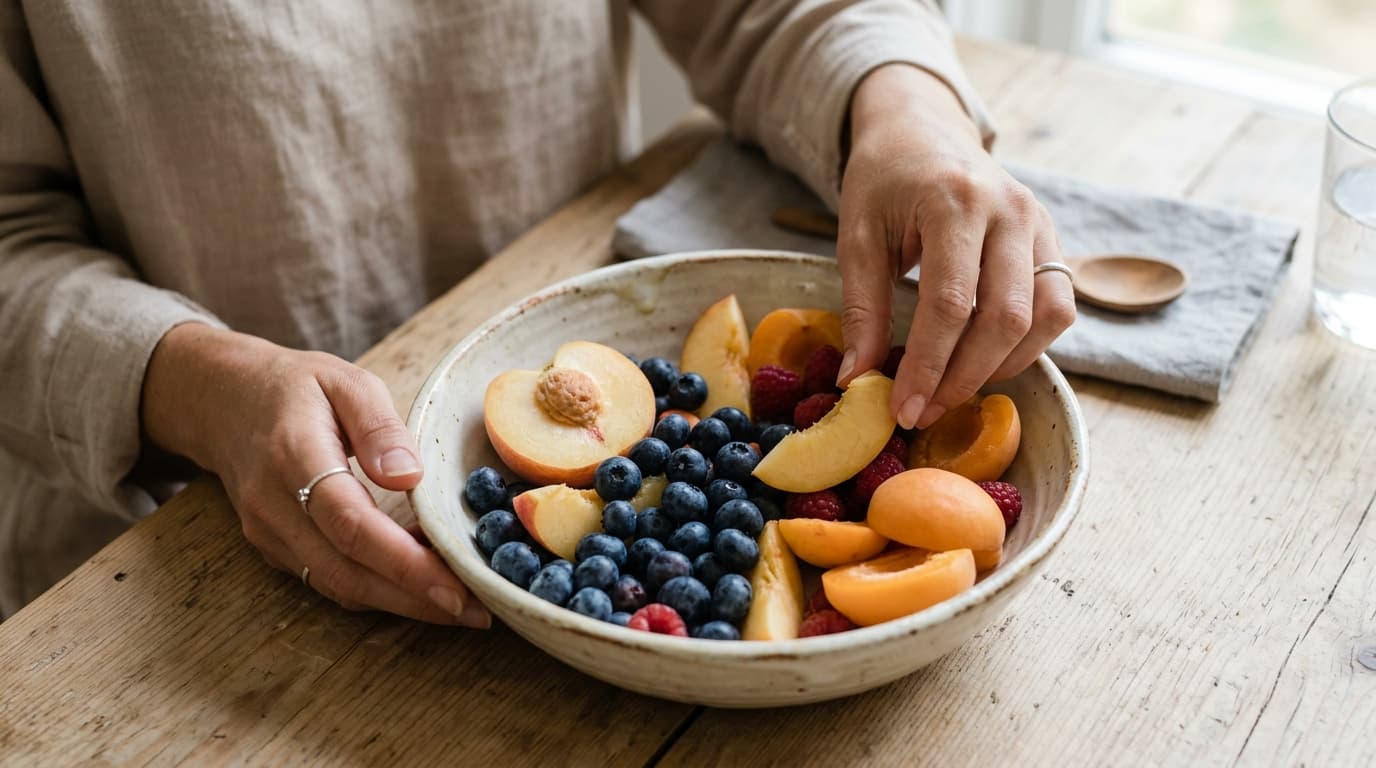
What if it's not just high-histamine foods? A deep dive into histamine liberators and other sneaky triggers
I see you. You've been so careful, you've memorized the high-histamine food lists, and you've said a sad goodbye to avocados, spinach, and aged cheese. But even after all that hard work, you're still getting those frustrating symptoms—the headaches, the hives, the digestive upset, the brain fog. It can feel completely defeating, and I want you to know you're not imagining things. Let's talk about the missing piece of the puzzle: the world beyond the basic food lists, where things like histamine liberators and other triggers come into play.
It's a frustrating place to be, but I promise there's a path forward. Understanding these less-obvious triggers can be the key that finally unlocks a new level of well-being for you. So grab a cup of gentle herbal tea, get comfortable, and let's explore this together.
First, let's talk about your histamine bucket
Before we dive into the specifics, I want to share an analogy that has helped so many people I've worked with: the histamine bucket. Imagine you have a bucket inside you. Everything that adds histamine to your system—from the food you eat to stress and environmental allergens—pours a little bit into this bucket.
Your body has a natural way of emptying this bucket, primarily using an enzyme called diamine oxidase (DAO). For most people, this system works beautifully, and the bucket never overflows. But if you have histamine intolerance, it means one of two things is happening: either too much histamine is being poured in, or your ability to empty the bucket is impaired.
When the bucket overflows, that's when you experience symptoms. This is a crucial concept because it explains why you might be fine eating a tomato one day, but the next day—when you're also stressed and pollen counts are high—that same tomato sends you over the edge. It wasn't just the tomato; it was the final drop in an already full bucket. This is where understanding histamine liberators triggers becomes so powerful.
The big one: What are histamine liberators?
Okay, so what exactly *are* these mysterious things? It's actually a pretty straightforward idea. Histamine liberators are foods that don't necessarily contain a lot of histamine themselves. Instead, they contain certain compounds that encourage your body's own mast cells to release the histamine they have stored inside.
Think of your mast cells as tiny little granaries storing histamine. A histamine liberator is like a mischievous kid who comes along and opens all the gates, letting the histamine flood out into your system. So, you could be eating a perfectly "low-histamine" meal according to the lists, but if it contains a liberator, you could still end up with a full bucket and a fresh wave of symptoms.
The research on the exact mechanisms here is still evolving, but clinical experience and studies from European institutions have shown that for many people with histamine sensitivity, these foods are significant players. It's one of the biggest "aha" moments people have on their journey.
Common histamine liberators to watch for
This is where things can get personal, as your tolerance to these will be unique. But I've found that a few common culprits show up time and time again. Keeping these on your radar can be a game-changer.
- Citrus Fruits: This is a tough one for many! Oranges, lemons, limes, grapefruit, and their juices are classic liberators.
- Pineapple & Papaya: These tropical fruits contain enzymes (bromelain and papain) that can be wonderful for digestion but tricky for histamine-sensitive folks.
- Tomatoes: Often listed as high in histamine, tomatoes are also considered potent liberators, which explains why they're so problematic for many.
- Strawberries & Raspberries: These beautiful berries, unfortunately, are common triggers for releasing histamine.
- Nuts: Walnuts, cashews, and peanuts seem to be the most common offenders in this category.
- Chocolate & Cocoa: I know, this one hurts. The compounds in cocoa can be powerful mast cell triggers.
- Shellfish: Even fresh shellfish, which is low in histamine, can cause a significant histamine release in sensitive individuals.
- Pork: While fresh pork is low in histamine, it's often cited as a liberator. This doesn't include cured pork like bacon or ham, which are high in histamine to begin with.
- Food Additives: This is a big category, but things like sulfites (in wine and dried fruit), benzoates (a preservative), and some artificial food colorings can be major triggers.
- Spinach: Like tomatoes, spinach is a double-whammy. It contains some histamine and is also thought to be a liberator.
- Licorice: The real kind, from the licorice root, can also be a factor.
Seeing this list can feel overwhelming, I get it. But please don't see this as a new list of foods to fear. See it as a list of clues. It's information that can help you connect the dots and understand your body on a deeper level.
Beyond liberators: Meet the DAO blockers
Remember that DAO enzyme we talked about—the one that empties your histamine bucket? Well, some foods and substances don't add histamine or release it, but they do something just as sneaky: they get in the way of DAO doing its job. These are called DAO blockers.
When you consume a DAO blocker, you're essentially plugging the drain of your histamine bucket. This means that even a normal amount of histamine from your food and your body will stick around for much longer, giving it more time to cause symptoms. For some people, this is an even bigger piece of the puzzle than the high-histamine foods themselves.
Common DAO blockers to be aware of
The good news is that this list is generally a bit shorter than the liberators list, but the items on it can have a big impact. Paying attention to these could make a huge difference in your day-to-day symptoms.
- Alcohol: This is the number one DAO blocker. Alcohol, especially wine and beer, can significantly inhibit your DAO enzyme's function. It's often a double-whammy because many alcoholic drinks are also high in histamine.
- Tea: Both black tea and green tea contain catechins. While these are celebrated for their antioxidant properties, they can also block DAO activity. If you're a big tea drinker, this is one to watch.
- Energy Drinks: Many of the compounds found in popular energy drinks have been shown to interfere with DAO, which might explain why they can leave you feeling jittery and unwell for reasons beyond the caffeine.
What about medications?
This is a really important and often overlooked area. A number of common medications can also inhibit your DAO enzyme. This is *not* a reason to stop taking any prescribed medication, but it *is* a reason to have an informed conversation with your doctor.
Please, always speak with your doctor or pharmacist before making any changes to your medication regimen. This information is just to help you ask better questions. Some categories of drugs that have been found to potentially interfere with DAO include:
- Certain non-steroidal anti-inflammatory drugs (NSAIDs)
- Some antidepressants and anti-anxiety medications
- Certain blood pressure medications
- Some muscle relaxants
- Certain antibiotics
Again, this doesn't mean these drugs are "bad." It just means that if you started having new histamine-like symptoms after starting a new medication, it might be worth discussing the connection with your healthcare provider. They can help you weigh the benefits and explore alternatives if needed.
The hidden triggers you might be missing
Okay, we've covered a lot of ground with food. But what if I told you that food is only part of the story? Your histamine bucket is also filled by non-dietary sources, and ignoring these can be why you're stuck. Managing these histamine liberators and triggers from your lifestyle and environment is just as important as what's on your plate.
Stress and your mast cells
Have you ever noticed that you get hives or your digestion goes haywire during a particularly stressful week at work? That's not a coincidence. There is a direct, physiological link between stress and histamine release. When you're stressed, your body releases hormones like cortisol.
This stress response is designed to prepare you for a threat, and part of that process involves activating your mast cells. Your body thinks it might need to heal a wound, so it gets histamine ready to go. In the short term, this is helpful. But in our modern world of chronic stress—traffic, deadlines, financial worries, endless news cycles—our mast cells can become chronically over-activated, constantly leaking histamine into our bucket.
The crucial gut health connection
I can't talk about histamine intolerance without talking about gut health. This is where the magic happens—or where the problems start. The vast majority of your DAO enzyme is produced and stored in the lining of your small intestine. If that lining is inflamed or damaged (a condition sometimes called "leaky gut" or intestinal permeability), two things happen.
First, your gut can't produce enough DAO to keep up with the histamine coming in. Second, a compromised gut barrier can allow histamine and other inflammatory particles from food to pass directly into your bloodstream, triggering a massive immune response. Healing your gut is often the most fundamental and lasting way to improve your histamine tolerance.
Hormonal fluctuations, especially for women
If you're a woman who menstruates, you may have noticed a cyclical pattern to your symptoms. They might be worse around ovulation or in the days leading up to your period. This is because of the intricate dance between estrogen and histamine. It's a bit of a feedback loop:
- Estrogen stimulates mast cells to release more histamine.
- Histamine, in turn, can stimulate the ovaries to produce more estrogen.
This can create a vicious cycle, especially during times of the month when estrogen is naturally higher. Understanding this connection can be so validating. It's not in your head; it's your biology. Tracking your symptoms alongside your menstrual cycle can provide invaluable clues.
Don't forget the environment
Finally, let's not forget the classic allergy triggers. Things like pollen, dust mites, mold, and pet dander all trigger a histamine release. If you have seasonal allergies, you're pouring a steady stream of histamine into your bucket every time you step outside in the spring. This leaves very little room for any dietary histamine, which is why your food sensitivities might feel much worse during allergy season. Addressing environmental triggers with things like air purifiers and proper cleaning can lower the overall level in your bucket, giving you more wiggle room with food.
So, what can you actually do about it? A practical plan
I know this is a ton of information, and it might feel like you now have even *more* things to worry about. But my goal is the exact opposite. My goal is to empower you with knowledge so you can become your own health detective and find what truly works for *you*. Let's turn all this information into a simple, actionable plan.
1. Start a detailed food and symptom journal
If you do only one thing after reading this article, let it be this. A journal is your single most powerful tool. For two weeks, track not just *what* you eat, but also:
- When you eat it: Timing matters.
- How you feel: Note any symptoms that appear, even if they seem unrelated (like anxiety or fatigue), and when they occur.
- Your stress level: A simple 1-10 scale works great.
- Your sleep quality: Did you sleep well? Were you restless?
- For women, where you are in your cycle: Day 1 is the first day of your period.
- Other factors: Did you take any medication? Were you around a known environmental trigger?
After a couple of weeks, you'll be able to look back and see patterns you would have never noticed otherwise. You might see that you can handle strawberries just fine, but not if you've also had a stressful day. Or you might find that chocolate is a trigger no matter what. This is about gathering data, not judgment.
2. Try a gentle, temporary elimination phase
Armed with your new knowledge of histamine liberators triggers, you can approach an elimination diet with much more precision. Instead of cutting out everything, you can be more targeted. I suggest temporarily removing the most common liberators for 3-4 weeks to see how you feel. Focus on the big ones first:
- Citrus fruits
- Tomatoes
- Pineapple and Strawberries
- Chocolate
- Alcohol
The key word here is temporary. This is not a forever diet. It's an experiment to calm your system down and reduce the inflammation. Once you're feeling better, you can reintroduce these foods one at a time, every three days, to see how you react. You might be surprised to find you can tolerate some of them in small amounts!
3. Focus on supporting your body's natural processes
Instead of just focusing on what to remove, let's celebrate what you can add in to help your body manage histamine better. Think about nourishing your DAO enzyme and healing your gut.
- DAO-Supportive Nutrients: Gently increase foods rich in nutrients that are cofactors for DAO production. This includes Vitamin C (from low-histamine sources like bell peppers, broccoli, and mangoes), Vitamin B6 (from chicken, turkey, and sunflower seeds), zinc (from pumpkin seeds and lean meats), and copper (from shiitake mushrooms and sesame seeds).
- Gut-Soothing Foods: Focus on gentle, healing foods. Bone broth (homemade and un-simmered for too long to keep histamine low), steamed vegetables, and well-cooked lean proteins can be very calming for an irritated gut.
- Mindful Eating: Chew your food thoroughly and eat in a relaxed state. This simple act can dramatically improve digestion and reduce the burden on your gut.
4. Actively manage your stress bucket
You cannot out-diet a life filled with chronic stress. Finding small, sustainable ways to signal safety to your nervous system is non-negotiable for calming down your mast cells. This doesn't have to be a 90-minute yoga class (unless you love that!).
It can be as simple as:
- Five deep breaths: Before each meal, take five slow, deep belly breaths. Inhale for four counts, hold for four, exhale for six. This activates your parasympathetic "rest and digest" nervous system.
- A 10-minute walk: Getting outside in nature, even for a short time, has been shown to lower cortisol.
- A calming playlist: Put on some gentle music while you cook or work.
- Saying "no": Protecting your energy and not over-committing is a powerful form of stress management.
Find what feels genuinely restorative to you and sprinkle it throughout your day. It will make your histamine bucket much, much bigger.
You've got this, one step at a time
I know this journey can feel lonely and complicated, but by understanding the full picture—the liberators, the DAO blockers, the lifestyle factors—you've just taken a huge step toward taking back control. It's not about perfection; it's about curiosity and compassion for your own body as you learn its unique language.
You're not broken. Your body is just asking for a different kind of support. So let's start with one small, gentle step. For the next three days, just notice. Don't change anything yet. Just grab a notebook and jot down what you eat and how you feel, without any judgment at all. That's it. You're already on your way to figuring this out.
Which foods are behind your symptoms?
A free 60-second check to help you narrow it down — plus recipes matched to what works for your body.
Find my food triggers