Eating Out on a Low Oxalate Diet Without the Guesswork
Dining out on a low oxalate diet can feel tricky, but it doesn't have to be! I've put together a comprehensive guide to help you confidently navigate restaurant menus, make smart choices, and enjoy your meals out.
Dining Out with Confidence: Your Guide to a Low Oxalate Restaurant Experience
Eating out is one of life's simple pleasures, isn't it? But when you're navigating a low oxalate diet, that joy can sometimes feel overshadowed by worry. I completely get it; trying to figure out what's safe and what's not on a menu can be really stressful, making you want to just stay home.
The good news is, you don't have to miss out on social gatherings or delicious meals prepared by someone else. I've been looking into this, and I'm excited to share some practical strategies and a comprehensive low oxalate restaurant guide to help you dine out with ease and confidence.
Understanding Oxalates: A Quick Refresher
First things first, let's quickly chat about oxalates. Oxalates are natural compounds found in many plant foods, and for most people, they don't pose a problem. But if you're sensitive to them, or if you're managing kidney stones, your body might not process them as effectively, leading to discomfort or health concerns.
The goal isn't necessarily to eliminate *all* oxalates, as that's pretty impossible and not usually necessary. Instead, it's about managing your intake to a level that works for you. Research out of institutions like Monash University helps us understand that foods are typically categorized by their oxalate content per serving:
- Very High Oxalate: 100+ mg/serving (these are usually best to avoid)
- High Oxalate: 50-99 mg/serving (limit these severely)
- Medium Oxalate: 10-49 mg/serving (you can usually have 1-2 servings a day)
- Low Oxalate: Less than 10 mg/serving (these are your safe bets!)
For many individuals at risk for kidney stones, aiming for less than 100 mg of oxalates daily is a good target, and sometimes even less than 50 mg for those with higher risk. Don't worry, we're not going to be counting every single milligram at the restaurant. We're going to learn how to make smart choices that add up to a happy, healthy meal.
Your Low Oxalate Restaurant Guide: Strategies Before You Go
A little preparation can go a long way in making your dining experience stress-free. Think of me as your friendly research assistant, helping you get ready before you even step foot in the restaurant!
Here's what I recommend:
-
Look at the Menu Online: Most restaurants have their menus available on their website. This is your secret weapon! You can scope out potential dishes and identify ingredients that might be high in oxalates before you arrive. This helps you narrow down your choices and feel more prepared.
-
Call Ahead and Ask Questions: Don't be shy! Call the restaurant during off-peak hours and explain your dietary needs. Ask about cooking methods, ingredients in sauces, and if they can accommodate simple modifications. You'd be surprised how helpful most chefs and staff are when given a heads-up.
-
Identify Friendly Cuisines: Some cuisines naturally lean towards lower oxalate ingredients. Generally, Mediterranean, Italian, and classic American fare can be good starting points because they often feature grilled meats, fish, simple vegetables, and white starches.
-
Know Your Top Oxalate Offenders: It's helpful to remember the big ones to steer clear of. Think spinach, beet greens, Swiss chard, rhubarb, almonds, and dark chocolate. Sweet potatoes and baked potatoes with skin are also higher in oxalates, so keep that in mind. Avoiding these major players will significantly reduce your oxalate load.
Navigating the Menu: Smart Choices for Low Oxalate Dining
Once you're at the restaurant, it's time to put your knowledge to work! Here's how to build a delicious and safe meal, section by section, using this low oxalate restaurant guide.
Appetizers & Starters
This is where you'll often find hidden oxalate bombs, so choose carefully.
- Safe Bets: Go for something simple like a crisp green salad (iceberg or romaine lettuce, cucumber, bell peppers) with dressing on the side (ask for olive oil and vinegar/lemon). A shrimp cocktail, plain white bread (skip whole wheat), or a basic vegetable broth can also be good choices.
- Things to Avoid: Steer clear of spinach dips, anything with nuts or seeds (like candied pecans on a salad), beet salads, and dishes featuring high oxalate vegetables like okra or parsley.
Main Courses: Building Your Plate
This is where you have the most control. Focus on simple preparations and don't hesitate to ask for modifications.
-
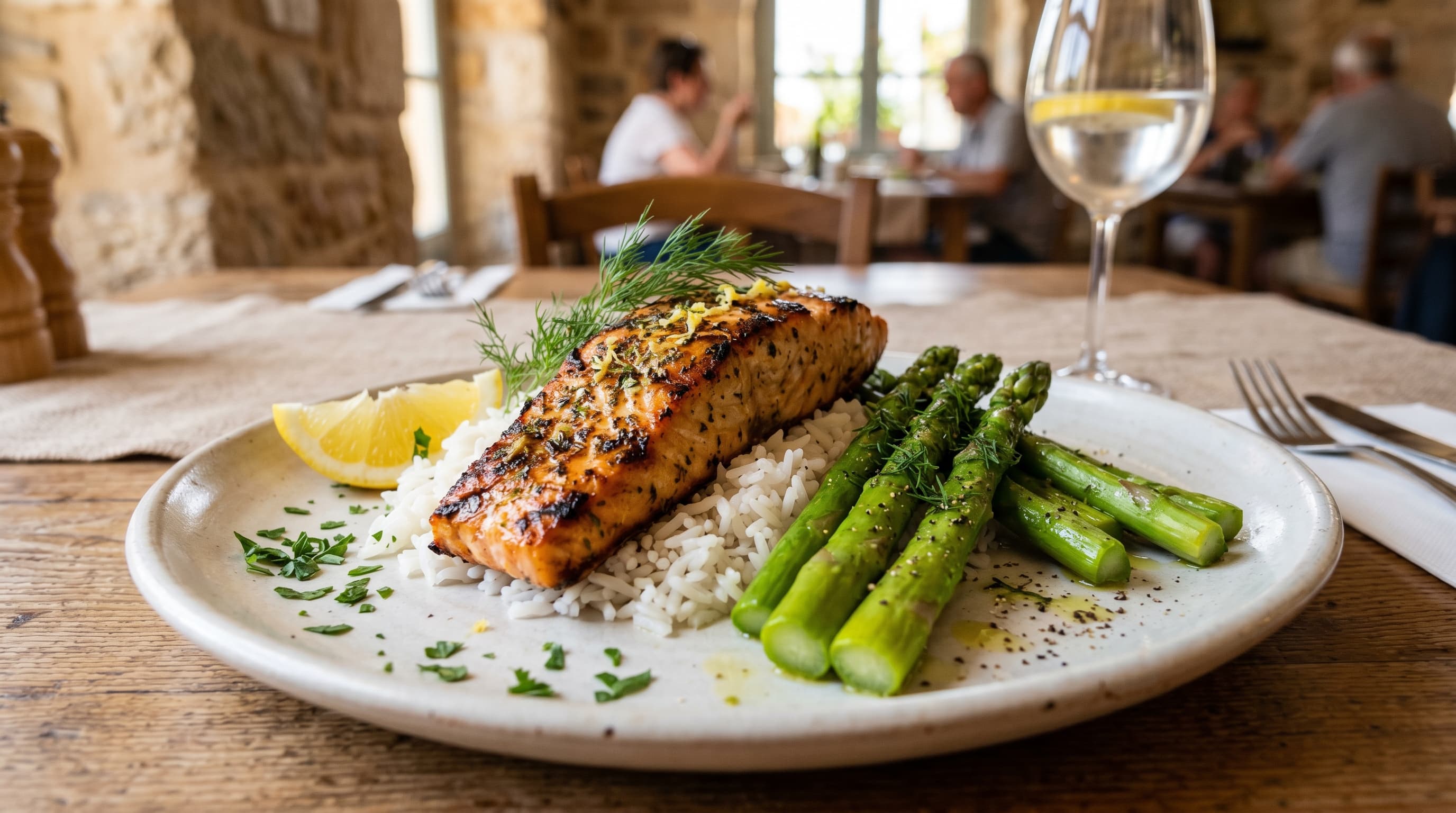
Protein: Grilled, baked, or pan-seared chicken, fish (like salmon or cod), or lean cuts of steak are usually excellent choices. Ask for them plain, without heavy sauces or marinades that might contain hidden high-oxalate ingredients.
-
Grains & Starches: White rice is a fantastic low oxalate option. If pasta is an option, ask if they have white pasta or even rice pasta. Mashed potatoes (made with peeled potatoes and without skin) can be a medium oxalate choice; just be mindful of portion size. Remember, even moderate oxalate foods can add up if you have too much! You might also find things like cream of wheat if you're at a breakfast spot.
-
Vegetables: This is often the trickiest part. Your best low oxalate veggie friends include asparagus (in moderation), cabbage, iceberg/romaine lettuce, mushrooms, onions, peas, zucchini, avocado (in moderation), bok choy, corn (in moderation), and radishes. Ask for your vegetables steamed or lightly sautéed with just olive oil, salt, and pepper. Boiling vegetables, like broccoli or green beans, can actually reduce their oxalate content significantly because oxalates leach into the water. So, if you can, ask if they can boil or blanch your veggies.
-
Fats & Sauces: Simple is best! Olive oil, butter, and cream cheese are generally low in oxalates. Ask for sauces on the side, or opt for simple lemon-herb dressings. Avoid heavy cream sauces, nut-based sauces (like pesto), or anything with a lot of dark leafy greens.
-
Don't Forget Calcium: If you're having a dish that might contain some moderate oxalates (like a small serving of pasta), remember that pairing it with a calcium-rich food can help your body manage the oxalates. So, a sprinkle of cheese on your pasta isn't just for flavor; it's a smart move!
Drinks & Desserts
Keep it simple here too!
- Drinks: Water is always your best bet. Clear sodas, apple juice, grape juice, club soda, or herbal teas like peppermint or ginger are usually fine.
- Desserts: Fresh fruit like apples, bananas, cantaloupe, honeydew, mango, peaches, plums, pineapple, or watermelon are great low oxalate choices. A simple sorbet or plain rice pudding might also work, but always check for hidden ingredients.
Unpacking Specific Cuisines for Your Low Oxalate Restaurant Guide
Let's dive into some popular cuisines and how to navigate them with your low oxalate diet in mind.
Italian
Italian restaurants can be surprisingly friendly!
-
Good Bets: Pasta (white or rice pasta if available) with simple sauces like olive oil and garlic, or a light tomato sauce (tomatoes are medium oxalate, so portion control is key here). Grilled chicken or fish dishes are often a great choice. Look for side dishes like zucchini, bell peppers, or a simple green salad with romaine.
-
Things to Watch Out For: Skip anything with spinach (like Florentine dishes), pesto (which contains nuts and basil, both higher in oxalates), eggplant parmesan (eggplant is medium oxalate), and excessive amounts of tomato sauce.
-
GentleFeast Inspiration: Our Low-Oxalate Zucchini Noodle Primavera is a perfect example of how Italian flavors can be adapted. It uses zucchini noodles, white onion, garlic, orange bell pepper, rosemary, and thyme, all low oxalate ingredients!
Mediterranean
The Mediterranean diet emphasizes fresh, whole foods, making it a good foundation for low oxalate dining.
-
Good Bets: Grilled meats (chicken, lamb, beef) or fish seasoned with lemon, olive oil, and herbs like rosemary and thyme (which are also anti-inflammatory, according to research from various institutions). Simple salads with cucumber, bell peppers, and romaine or iceberg lettuce are excellent. Cauliflower can be a great base too.
-
Things to Watch Out For: Hummus (chickpeas and tahini are higher oxalate), tabouleh made with bulgur wheat (often high in oxalates), spinach, other dark leafy greens, and nuts. Beets are also a common Mediterranean ingredient that you'll want to avoid.
-
GentleFeast Inspiration: Our Low-Oxalate Cauliflower Tabbouleh Bowls show how you can enjoy those vibrant Mediterranean flavors using riced cauliflower, fresh parsley, mint, white onion, and bell peppers.
American/Steakhouse
Classic American fare and steakhouses often offer straightforward options.
-
Good Bets: Grilled steak, chicken, or fish. For sides, a baked potato (without the skin to reduce oxalates, as research shows the skin is higher) or mashed potatoes (made with peeled potatoes) are decent choices in moderation. Asparagus and green beans (both medium oxalate, so portion control applies) are often available as simple steamed or roasted vegetables. A plain green salad is also a good option.
-
Things to Watch Out For: Sweet potatoes (high oxalate), spinach (especially creamed spinach), fries (often made with skin on, and fried in oils that might not be ideal), and anything with a lot of nuts or seeds.
Asian (General)
Asian cuisine can be tricky due to complex sauces and common ingredients, but there are still good choices.
-
Good Bets: White rice is a staple and a safe choice. Look for stir-fried dishes with chicken or shrimp and low oxalate vegetables like bok choy, water chestnuts, mushrooms, bell peppers, and onions. Ask for sauces on the side or a very light sauce made with rice vinegar, soy sauce (use in moderation, as it's fermented), and a touch of sugar.
-
Things to Watch Out For: Peanuts, cashews, edamame, spinach, and some curry pastes can be high in oxalates. Many Asian sauces contain soy sauce, which is fermented and can sometimes be higher in oxalates, so moderation is key.
Empowering Your Dining Experience: Practical Takeaways
Dining out on a low oxalate diet doesn't have to be a daunting task. With a little planning and confidence, you can enjoy delicious meals without compromising your health goals.
- Ask Away! Never feel bad about asking your server or the kitchen staff about ingredients or preparation methods. They're there to help you have a great experience.
- Request Modifications: Don't be afraid to ask for simple changes like sauces on the side, vegetables steamed instead of sautéed, or specific ingredients to be left out.
- Focus on Whole, Unprocessed Foods: Generally, the closer a food is to its natural state, the easier it is to determine its oxalate content.
- Portion Control is Your Friend: Even for medium oxalate foods, a small serving is usually fine. It's when you have large quantities that oxalates can really add up.
- Pair with Calcium: Remember that little trick about adding a calcium source to help bind oxalates.
You're doing a fantastic job taking care of your body, and that definitely includes enjoying good food out in the world! It might take a little practice, but soon you'll be navigating menus like a pro, finding delicious low oxalate options that make you feel great.
Why don't you pick one restaurant you've been wanting to try, look up their menu online, and see if you can identify a couple of low oxalate friendly dishes this week? You've got this!
Which foods are behind your symptoms?
A free 60-second check to help you narrow it down — plus recipes matched to what works for your body.
Find my food triggers