Eating Well with Salicylate Intolerance: A Comprehensive Guide to Safe Foods and Meal Planning
Navigating salicylate intolerance can feel overwhelming, but with the right guidance, you can create a delicious and satisfying low salicylate diet meal plan. I'll show you how to identify safe foods, cook with confidence, and move towards feeling your best.
Eating Well with Salicylate Intolerance: A Comprehensive Guide to Safe Foods and Meal Planning
Feeling overwhelmed by constant digestive issues, skin rashes, or headaches that just don't seem to have a clear cause? If you've been wondering if certain natural compounds in food could be triggering your symptoms, you're not alone. Salicylate intolerance can be a tricky puzzle to solve, and figuring out what to eat can feel like a daunting task.
I totally get how frustrating it is to navigate a diet that feels so restrictive. But the good news is, with a little guidance and a clear plan, you absolutely *can* eat well and feel better. Let's explore how to build a nourishing and delicious low salicylate diet meal plan that helps you thrive.
Understanding Salicylate Intolerance: What's Happening?
Salicylates are natural chemicals found in a wide variety of plants. Think of them as the plant's natural defense mechanism, but for some sensitive individuals, they can cause a range of uncomfortable symptoms. These symptoms might include skin rashes, headaches, digestive upset, or even respiratory issues, often mimicking allergic reactions.
It's important to know that salicylate intolerance isn't a true allergy; it's more of a sensitivity or a dose-dependent reaction. This means that while some foods are very high in salicylates and should be avoided, others might be tolerated in small amounts, or after specific preparation. The key is finding *your* personal tolerance level.
Building Your Low Salicylate Meal Plan: The Basics
When you're starting a low salicylate diet, the initial focus is on an elimination phase. This means temporarily removing most high-salicylate foods to see if your symptoms improve. It can feel strict at first, but it's a powerful way to identify your triggers.
The good news is there are still plenty of delicious and wholesome foods you can enjoy! Let's look at some safe choices and how to build your low salicylate diet meal plan around them.
Safe Food Choices: Your Low Salicylate Staples
During the elimination phase, you'll want to focus on foods that are naturally very low in salicylates. These often include:
- Proteins: Fresh meat (chicken, lamb, beef), fresh fish (like haddock), eggs. Remember, fresh is key! Avoid aged or processed meats, and don't eat protein leftovers that are more than 24 hours old, as salicylate levels can increase.
- Grains: White rice, white pasta, white bread (sourdough can be an option too), plain rice cakes, plain crackers, oats.
- Vegetables: Peeled potatoes, cabbage, celery, leeks, rutabaga, iceberg lettuce, green beans, cauliflower. Peeling vegetables like potatoes, rutabaga, and celery is important, as salicylates concentrate in the skin [GentleFeast Recipe: Creamy Leek and Potato Soup].
- Fruits: Peeled pears, bananas (make sure they're *not* overripe, as salicylate levels increase with ripeness).
- Dairy: Milk, cream, butter, cream cheese, plain yogurt (check for additives).
- Fats: Butter, sunflower oil, safflower oil. Be mindful that many common healthy oils, like olive oil, are high in salicylates and should be avoided during elimination.
- Sweeteners: Maple syrup (if tolerated), sugar.
This list might seem limited, but I promise you, we can create some really tasty meals with these ingredients!
Foods to Avoid During Elimination
To give your body a chance to recover, you'll temporarily remove foods that are high in salicylates. This includes many vibrant fruits, vegetables, and spices that are often considered 'healthy' in other contexts. It's a tough adjustment, but it's temporary.
- High-Salicylate Fruits: Berries (strawberries, blueberries, raspberries), apples (unpeeled), oranges, grapes, apricots, cherries, pineapple.
- High-Salicylate Vegetables: Tomatoes, broccoli, spinach, zucchini, cucumber, peppers, sweet potatoes.
- Herbs and Spices: Almost all herbs and spices are high in salicylates, including turmeric, ginger, rosemary, thyme, cinnamon, and curry powder. This is often the trickiest part for many people!
- Other: Coffee, tea, wine, beer, chocolate, honey, most nuts and seeds (especially almonds, cashews, walnuts), olive oil, coconut oil, artificial colors (especially Yellow 5, Red 40), artificial flavors, and preservatives like benzoates, sulfites, and nitrates.
- Glutamates: Be mindful of ingredients like MSG, yeast extract, hydrolyzed vegetable protein, and some soy sauces, as these can also trigger symptoms for some sensitive individuals.
Crafting Your Low Salicylate Diet Meal Plan
Now, let's put these safe foods into action! Here are some ideas for your daily low salicylate diet meal plan, keeping things simple, nourishing, and delicious.
Breakfast Ideas to Start Your Day Right
Starting the day with a satisfying, safe meal sets the tone. You've got plenty of comforting options!
- Eggs any style: Scrambled, fried, or poached with buttered white toast. Our Comforting Low-Salicylate British Breakfast recipe is a fantastic example, featuring eggs with chives, crispy bacon, sautéed leeks, and sourdough toast with cream cheese.
- Oatmeal: Cooked with water or milk, topped with sliced banana and a drizzle of maple syrup.
- Rice porridge: A gentle option, often served with peeled pear.
- Pancakes: Made with white flour, butter, and a sprinkle of sugar or maple syrup.
- Plain yogurt: Paired with a peeled pear for a lighter start.
Lunch Ideas: Easy and Satisfying
Lunch doesn't have to be boring! With a little planning, you can enjoy tasty meals that keep you feeling good.
- Plain chicken sandwich: On white bread with iceberg lettuce and homemade safflower oil mayonnaise.
- Egg salad: Made with homemade mayo, served on lettuce wraps or white bread.
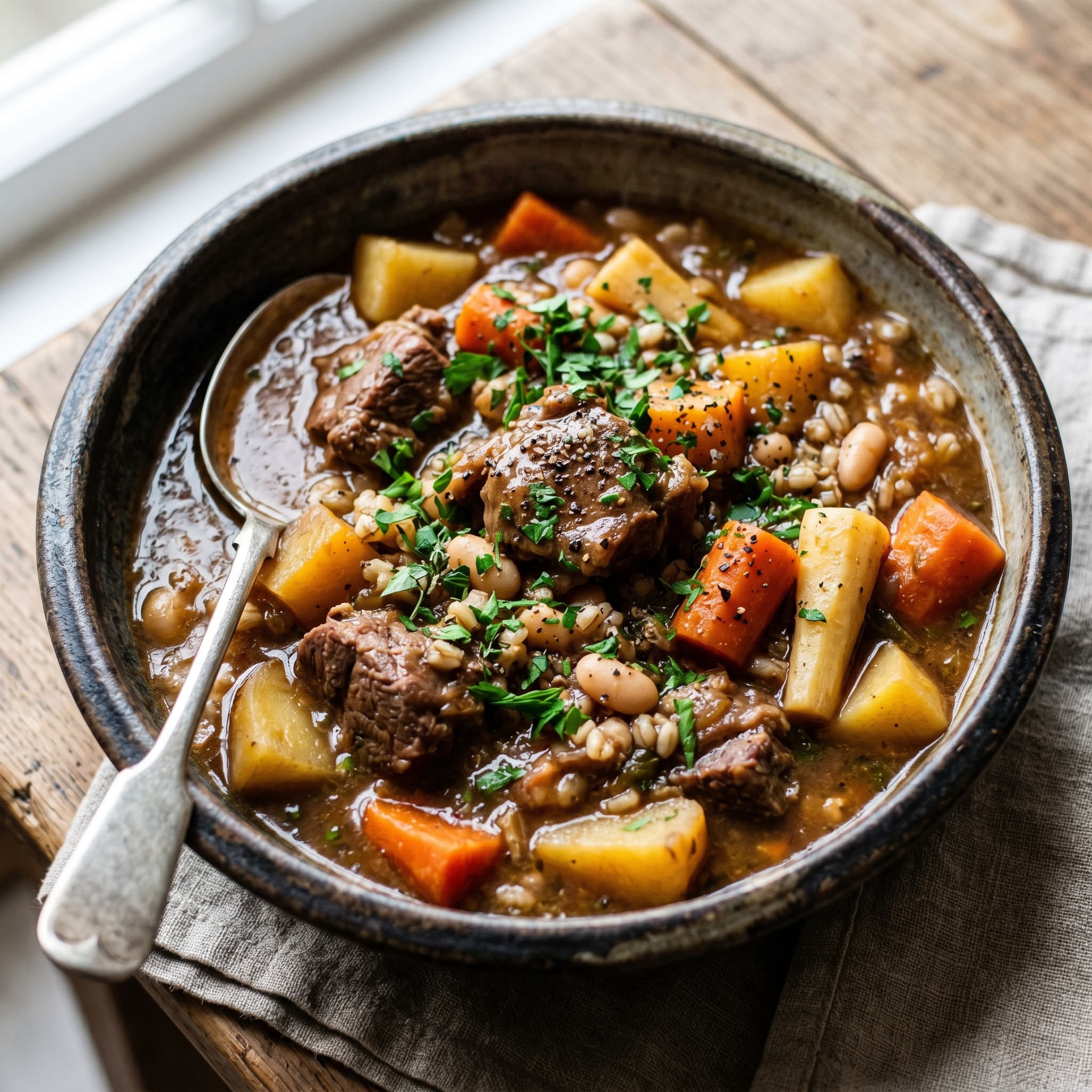
- Potato soup: A creamy, comforting potato soup with leeks and cream is wonderfully safe. Our Creamy Leek and Potato Soup (Low Salicylate) recipe is a perfect example, even featuring poached haddock for added protein.
- Grilled cheese: On white bread, a classic comfort food.
- Plain pasta: Tossed simply with butter and Parmesan cheese (limit Parmesan during strict elimination if glutamates are a concern).
Dinner Ideas: Wholesome and Flavorful
Dinner can still be the highlight of your day, even on a low salicylate diet. Focus on simple, fresh ingredients.
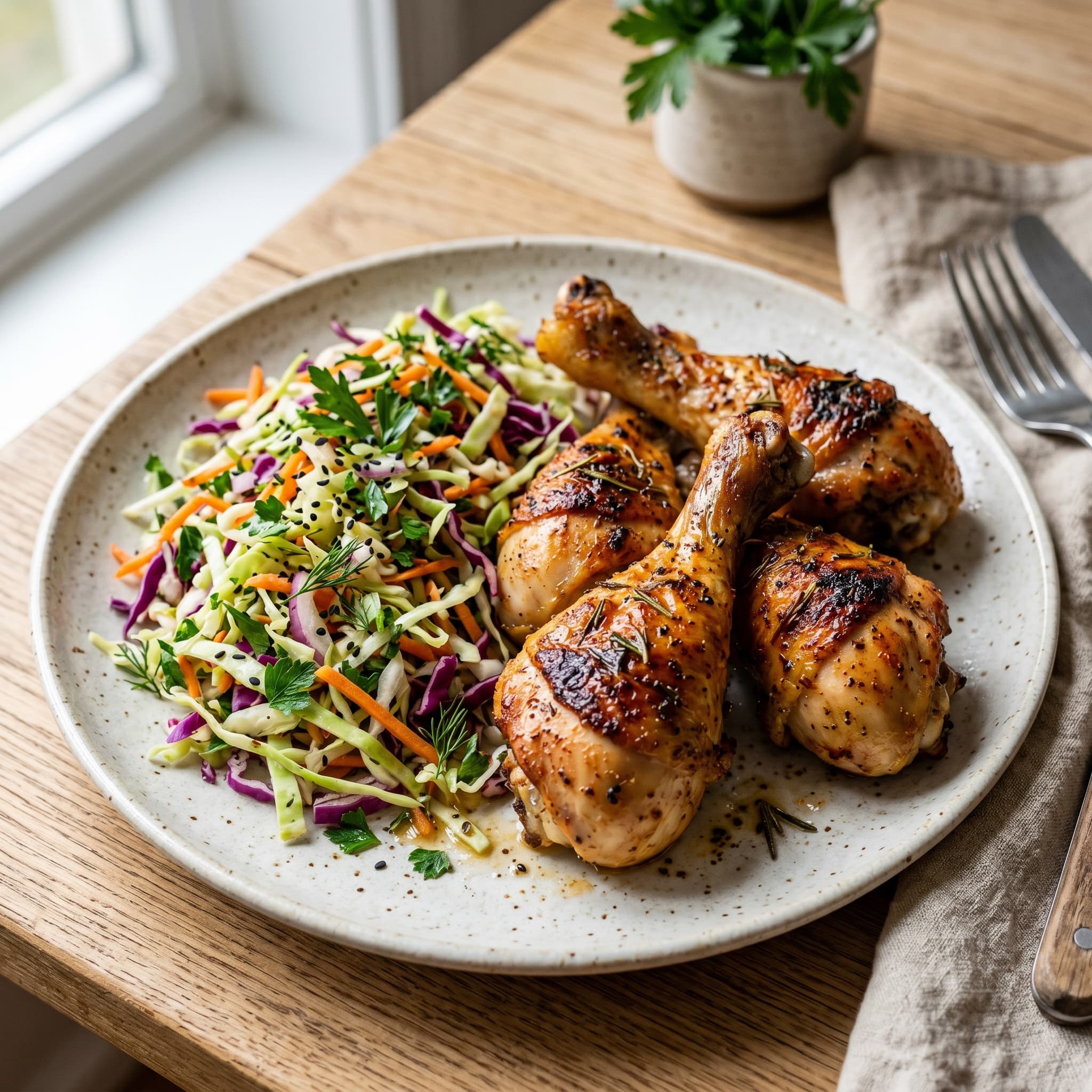
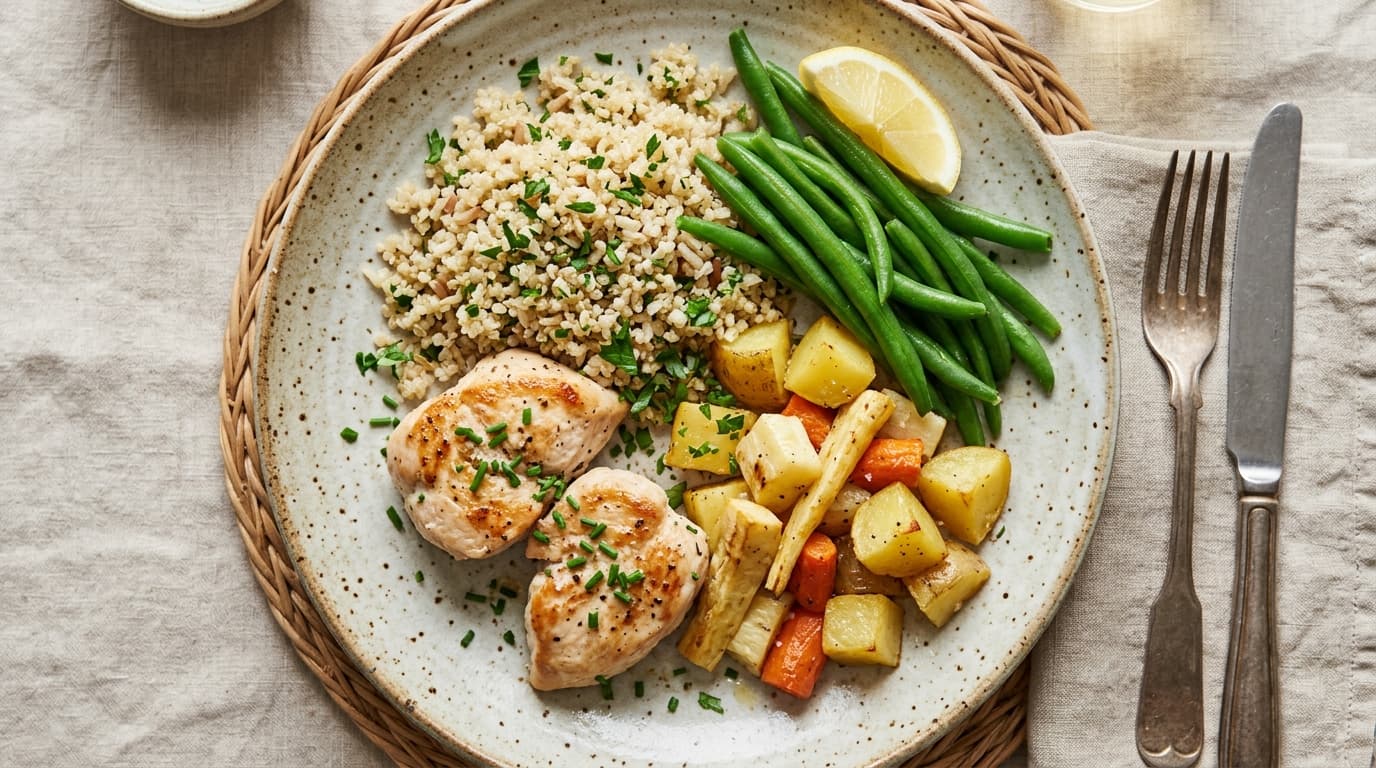
- Roast chicken: Served with roasted peeled potatoes and steamed cabbage.
- Grilled steak: Paired with mashed potatoes and green beans.
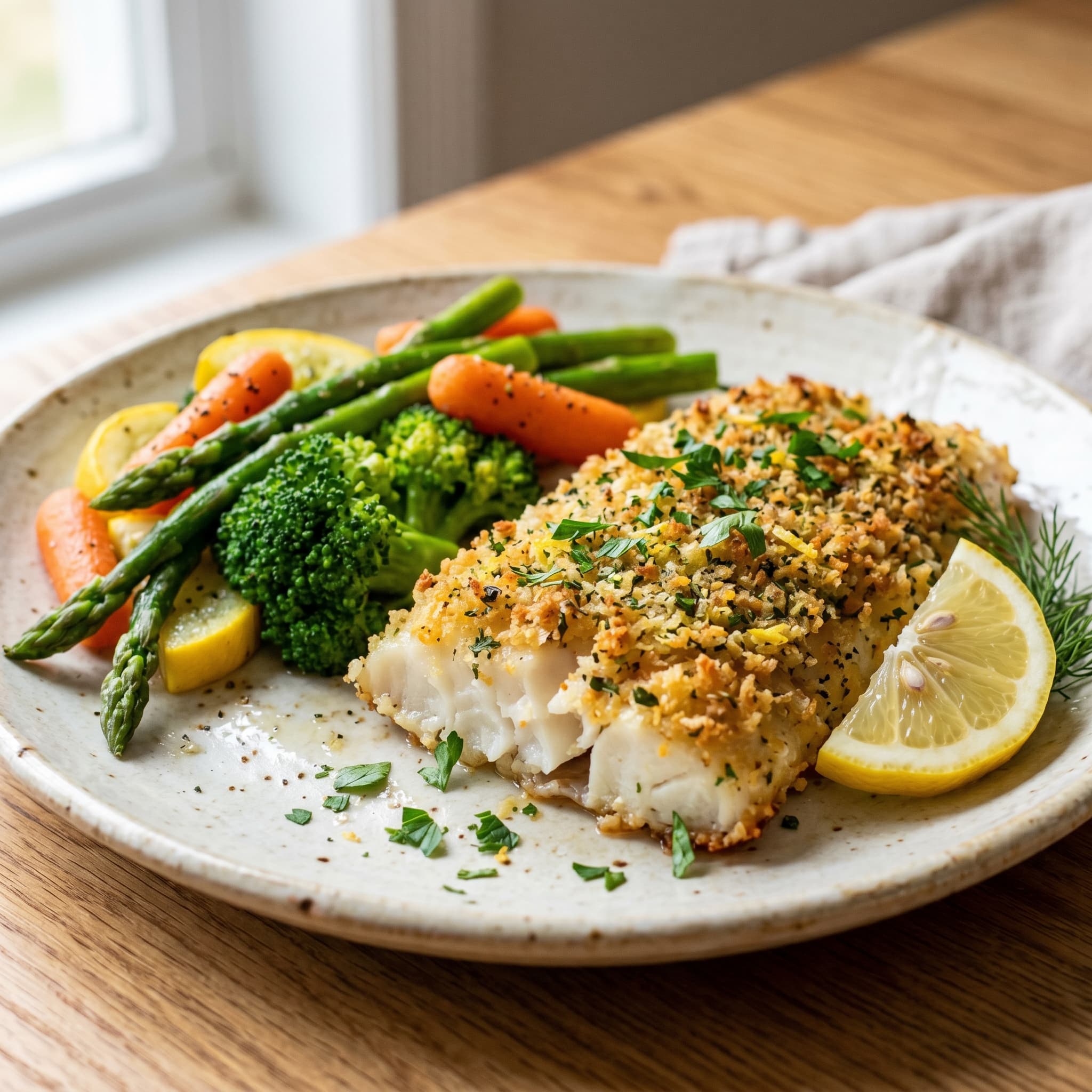
- Baked fish: With white rice and steamed green beans.
- Lamb chops: Enjoyed with cauliflower mash for a lovely alternative to potatoes.
- Stir-fried rice: With safe vegetables like leeks and cabbage, and scrambled egg. You can use a simple garlic butter sauce made with butter, minced garlic, plain soy sauce, and white pepper for flavor.
Snack Attack: Keeping You Going
Don't forget about snacks! Having safe options on hand is crucial to avoid temptation and keep your energy steady.
- Plain rice cakes with butter
- Peeled pear slices
- Plain crackers with cream cheese
- Hard-boiled eggs
- Plain popcorn with butter and salt
- Vanilla ice cream (always check ingredients for hidden salicylates or additives)
- Our German Baked Bananas with Creamy Rice Pudding recipe is a lovely dessert or snack option, specifically designed to be low salicylate.
Flavor Without the Fuss: Low Salicylate Cooking Tips
One of the biggest challenges on a low salicylate diet is often the perceived lack of flavor, especially when you can't use most herbs and spices. But I've found some wonderful ways to make food taste amazing!
- Garlic is your friend: Minced garlic can add so much depth to almost any savory dish. It's a safe and flavorful option.
- Citric Acid: A tiny pinch of citric acid can brighten flavors, especially in dressings or sauces. Research out of Monash University suggests it's a safe alternative to high-salicylate acids like lemon juice.
- Salty Goodness: Don't underestimate the power of salt to enhance the natural flavors of your safe ingredients.
- Homemade Dressings and Sauces: Store-bought options often contain hidden salicylates or additives. Making your own gives you control.
- Creamy Garlic Dressing: Whisk together homemade safflower oil mayonnaise, cream, minced garlic, salt, white pepper, and a touch of citric acid dissolved in water.
- Simple Safe Stir-Fry Sauce: Melt butter, add minced garlic, then plain soy sauce and a pinch of white pepper. Toss with safe vegetables like cabbage and leeks.
- Freshness Matters: Always prioritize fresh ingredients. Remember, aged meats and overripe bananas can be higher in salicylates.
Navigating the Elimination and Challenge Phases
Following a low salicylate diet isn't just about eating certain foods; it's a process of discovery. The initial elimination phase is crucial. You'll typically stick to very low-salicylate foods for 4-6 weeks, carefully monitoring your symptoms. If your symptoms don't improve after this time, it's a good idea to review all your food and product sources, check for hidden additives, and consider consulting with a healthcare provider, as other underlying conditions might be at play.
Moving to the Challenge Phase
Once you've achieved consistent 'good days' – meaning at least 5 symptom-free days in a row, and feeling stable and well for 1-2 weeks – you're ready for the challenge phase. This is where the real detective work begins, and it's exciting because you start to uncover *your* specific triggers!
The goal here is to systematically test one chemical group at a time. Salicylates are usually tested first because they're a common trigger. You'll slowly reintroduce small amounts of salicylate-containing foods, building up the dose over 3-5 days, and then have a washout period to observe any reactions. It's a careful, methodical process, but it's the best way to understand what your body can handle.
Remember, this isn't a race. Take your time, listen to your body, and be patient with yourself. Every step you take is a step towards understanding your unique needs and finding lasting relief.
Your Kitchen, Reimagined: Practical Takeaways for Your Low Salicylate Diet Meal Plan
Living with salicylate intolerance can feel like a big adjustment, but it doesn't have to be a life sentence of bland food. Here are some actionable steps you can take to make your low salicylate journey smoother and more enjoyable:
- Plan Ahead: Meal prepping is your secret weapon! Cook larger batches of safe proteins and grains at the beginning of the week. Having ingredients ready makes assembling meals so much easier.
- Read Labels Meticulously: Hidden salicylates and additives are everywhere! Look out for 'natural flavors,' 'spices,' 'herbs,' 'extracts,' and any number of preservatives or colors. If you're unsure, it's often best to avoid it during the elimination phase.
- Embrace Batch Cooking: Make a big batch of Creamy Leek and Potato Soup, or roast a whole chicken. These can be the base for several meals throughout the week (just remember the 24-hour rule for protein leftovers if you're very sensitive).
- Keep it Simple: Sometimes, the most satisfying meals are the simplest. Don't feel pressure to create complex dishes. Focus on fresh, safe ingredients prepared gently.
- Experiment with Textures: Since many strong flavors are out, try playing with different textures. Crispy bacon, creamy mashed potatoes, soft rice, and crunchy cabbage can add variety.
- Stay Hydrated: Water is always a safe and essential part of any diet.
You're on a journey to better health, and that's something to celebrate! It's not always easy, but every conscious choice you make is an investment in your well-being. You've got this.
Why not try making our Comforting Low-Salicylate British Breakfast this week? It's a delicious and safe way to start your day, and it'll remind you that eating well on a low salicylate diet can be truly satisfying.
Which foods are behind your symptoms?
A free 60-second check to help you narrow it down — plus recipes matched to what works for your body.
Find my food triggers