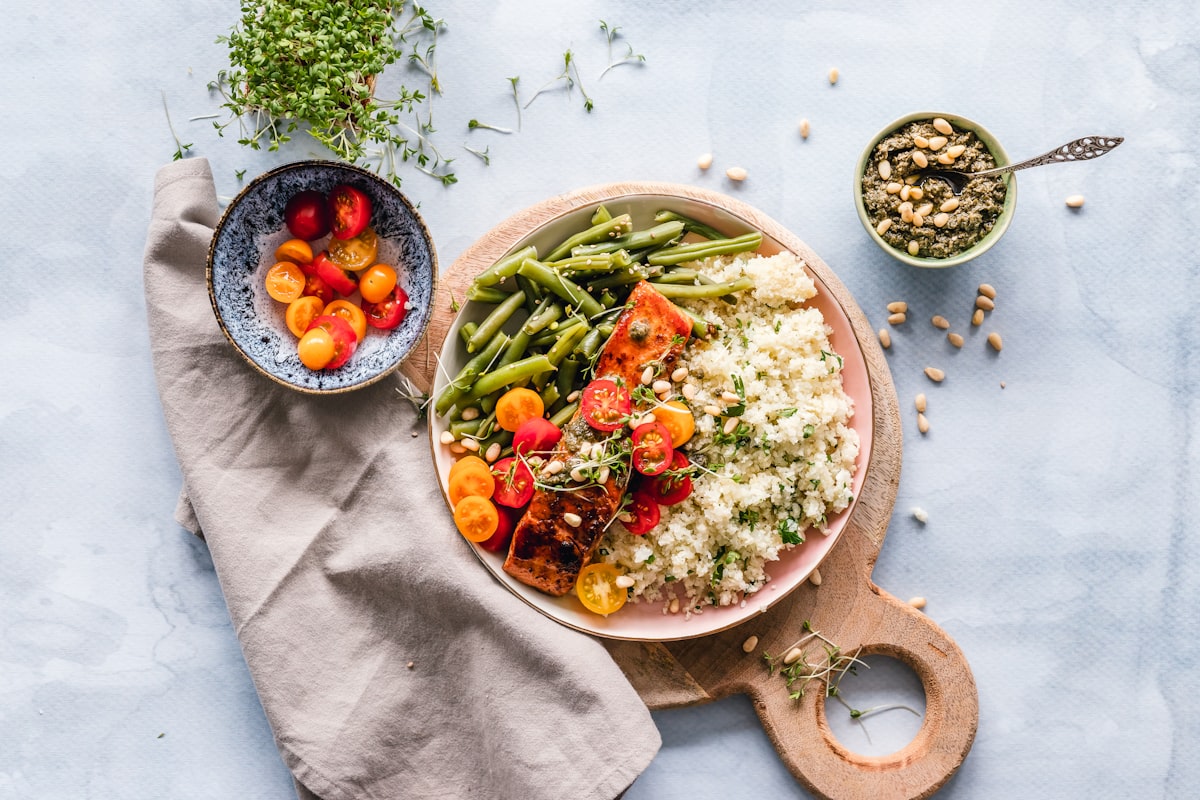
Flavorful Finds: Smart Swaps for Low Sulfur Cooking Without Sacrificing Taste
Navigating a low sulfur diet can feel daunting, but it doesn't mean sacrificing flavor! I'll show you how to make smart, delicious low sulfur cooking swaps for your favorite ingredients and discover a whole new world of taste.
Flavorful Finds: Smart Swaps for Low Sulfur Cooking Without Sacrificing Taste
Dealing with food sensitivities can often feel like you're playing a never-ending game of dietary detective, doesn't it? When you're trying to navigate something like a low sulfur diet, it can seem really daunting to figure out what you *can* eat, let alone how to make it taste amazing. You might be worried that you're going to miss out on all your favorite flavors, but I promise you, that's just not the case!
I've been looking into this a lot, and the good news is that with a little creativity and some smart ingredient choices, you absolutely can enjoy delicious, vibrant meals that support your body. Let me show you how to transform your kitchen into a haven of flavor, even with low sulfur cooking swaps in mind.
Understanding Sulfur: What's the Big Deal?
When you hear 'sulfur,' you might immediately think of that distinct, pungent smell often associated with certain foods. And you'd be right! Sulfur is a naturally occurring mineral that's super important for our bodies in many ways, helping with everything from protein structure to detoxification. However, for some of us, particularly those with specific sensitivities or issues with how our bodies process sulfur compounds, consuming too much of it can lead to uncomfortable symptoms like digestive upset, headaches, or even skin issues.
It's not about sulfur being inherently 'bad' for everyone; it's about understanding your unique body and what it needs to feel its best. This isn't about deprivation; it's about discovery.
Not All Sulfur is Bad
It's really important to remember that sulfur plays a vital role in our health, helping our bodies build and repair DNA, protect cells from damage, and even convert food into energy. We're not trying to completely eliminate it, because that wouldn't be healthy or even possible! Instead, we're focusing on reducing the *load* of sulfur-rich foods to a level that your body feels comfortable with. Think of it as finding your personal sweet spot, where you get the benefits without the discomfort.
Navigating the High-Sulfur Landscape
So, where does sulfur hide in our everyday foods? It's in a lot of places, and once you start looking, you'll see why managing a low sulfur diet can feel a bit overwhelming at first. But don't worry, we're going to break it down so you know exactly what to look out for.
The Usual Suspects
When we talk about high-sulfur foods, a few ingredients immediately come to mind because they're known for their pungent sulfur compounds. These are often the first things people on a low sulfur diet learn to limit or avoid.
- Alliums: Garlic, onions, leeks, shallots, and chives are probably the biggest offenders. They're staples in so many cuisines, which can make cooking without them feel tricky.
- Cruciferous Vegetables: Broccoli, cauliflower, cabbage, kale, Brussels sprouts, and even radishes contain sulfur-rich compounds that give them their distinctive flavor and health benefits, but can also be problematic.
- Eggs: Especially the yolks, are a significant source of sulfur.
- Dairy: Milk, cheese, and yogurt can also contribute to sulfur intake for some people.
- Red Meat & Processed Meats: Beef, pork, and cured meats like bacon, sausages, and deli meats tend to be higher in sulfur.
Less Obvious Sources
Sometimes, sulfur can pop up in places you might not expect, making it even more challenging to manage. Being aware of these less obvious sources can help you make more informed choices.
- Sulfites: These are sulfur-based preservatives often found in dried fruits, wine, some processed foods, and even certain medications. Always check ingredient labels!
- Certain Legumes: While many legumes are great, some, like soybeans and lentils, can be higher in sulfur for sensitive individuals. Soaking and sprouting can sometimes help, but it's often a personal tolerance thing.
- Specific Nuts & Seeds: Almonds, walnuts, and sesame seeds can be higher in sulfur compared to other options.
- Tap Water: In some areas, tap water can contain sulfur compounds, giving it a 'rotten egg' smell. A good filter can often help here.
It's a lot to take in, I know, but once you're aware, you're empowered to make choices that serve your body better!
Your Low Sulfur Pantry Makeover: Easy Swaps for Everyday Ingredients
Now for the exciting part! This is where we focus on all the wonderful ingredients you *can* enjoy and how to make fantastic **low sulfur cooking swaps** that keep your meals tasting incredible. You'll be surprised at how many delicious options are out there!
Protein Powerhouses
When it comes to protein, you've got plenty of choices that are naturally lower in sulfur. This is where you can really diversify your plate and explore new favorites.
- Instead of Eggs: Try making a 'flax egg' for baking (1 tbsp ground flaxseed + 3 tbsp water), or explore plant-based egg substitutes if you're missing scrambled eggs. For protein, focus on other options.
- Instead of Red Meat: Lean into poultry like chicken and turkey. They're versatile and generally well-tolerated. White fish such as cod, tilapia, or flounder are also excellent choices. Some people find they can tolerate small amounts of lamb, which is often lower in sulfur than beef, but always listen to your body.
- Plant-Based Protein Swaps: Quinoa is a complete protein that's usually well-tolerated. Consider well-rinsed and cooked white beans (like cannellini) or chickpeas if you tolerate legumes, as their sulfur content can be lower than lentils or soybeans.
Veggies That Shine
This is where you can really bring color and nutrients to your plate. There are so many vibrant, delicious vegetables that are naturally low in sulfur.
- Instead of Garlic & Onions: This is a big one! Try asafoetida (hing), but make sure it's the gluten-free variety, as some contain wheat. You can also use garlic-infused olive oil or onion-infused olive oil, where the sulfur compounds don't transfer into the oil, giving you that flavor without the fuss. Fresh ginger is also a fantastic aromatic.
- Instead of Cruciferous Veggies: Embrace a rainbow of other vegetables! Think bell peppers (all colors!), carrots, celery, zucchini, cucumber, asparagus, green beans, potatoes, and sweet potatoes. Leafy greens like spinach and romaine lettuce are also great choices. Some people do well with smaller amounts of certain mushrooms, like oyster or button, but it's always good to test your personal tolerance.
Flavor Boosters & Aromatics
This is where the magic happens! You don't need garlic and onion to make food taste incredible. Your spice rack is about to become your best friend.
- Beyond Garlic/Onion Powders: Dive into a world of herbs and spices. Cumin, coriander, turmeric, paprika (sweet or smoked), oregano, basil, thyme, rosemary, and sage are all fantastic.
- Citrus & Vinegars: A squeeze of fresh lemon or lime juice, or a sprinkle of their zest, can brighten any dish. Different vinegars (apple cider, red wine, balsamic) add wonderful depth and tang.
- Ginger: Fresh ginger is a powerful, warming aromatic that can stand in beautifully for some of the heat and depth you might miss from alliums.
Grains, Nuts, and Seeds
Finding the right grains and healthy fats can make a big difference in how satisfying your meals feel.
- Instead of Wheat-Based Grains: Focus on naturally gluten-free options like rice (white, brown, wild), quinoa, and millet. If you tolerate oats, choose certified gluten-free oats to avoid cross-contamination.
- Instead of Higher-Sulfur Nuts: Reach for macadamia nuts or pumpkin seeds, which are generally lower in sulfur. Sunflower seeds can also be an option for some.
- Healthy Fats: Olive oil, avocado oil, and coconut oil are excellent choices for cooking and dressing.
Crafting Delicious Low Sulfur Meals: A Culinary Adventure
Now that you've got a fantastic array of low sulfur ingredients at your fingertips, let's talk about how to bring them all together to create truly satisfying and flavorful meals. It's all about rethinking your approach and embracing new combinations.
Rethinking Your Plate
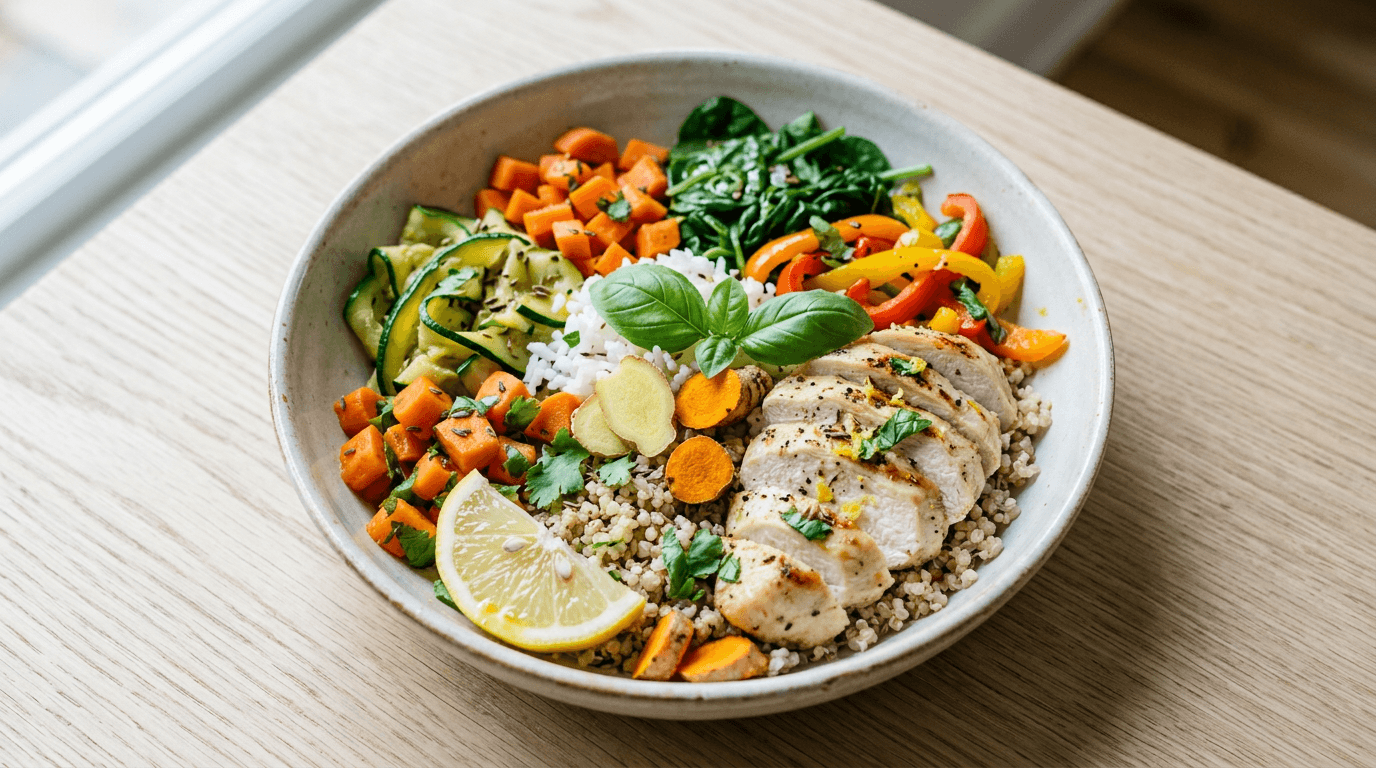
Instead of focusing on what's 'missing,' let's celebrate what you can have! Build your meals around abundant low sulfur vegetables, lean proteins, and wholesome grains. Think vibrant stir-fries with bell peppers and zucchini, flavorful chicken or fish roasted with herbs and lemon, or hearty quinoa bowls packed with roasted root vegetables.
- Breakfast Ideas: Try a rice porridge with berries and pumpkin seeds, or a smoothie with low sulfur fruits and a plant-based protein powder.
- Lunch & Dinner: Experiment with chicken and vegetable skewers, a big colorful salad with a lemon-herb vinaigrette, or a baked white fish with roasted asparagus and sweet potato.
The Mediterranean way of eating, adapted for low sulfur needs, can be a fantastic framework here, focusing on fresh produce, healthy fats, and lean proteins.
Spice It Up!
This is where your kitchen really comes alive! Without the strong flavors of garlic and onion, other spices and herbs get a chance to shine. Don't be shy about experimenting with blends. Research out of institutions like the University of Maryland has often highlighted the anti-inflammatory and antioxidant properties of many common herbs and spices, making them not just flavor enhancers but also powerhouses for your health.
- Warm & Earthy: Cumin, coriander, turmeric, smoked paprika, ginger.
- Bright & Herbaceous: Basil, oregano, thyme, rosemary, parsley, dill.
- Zesty: Lemon zest, lime zest, sumac.
These can add incredible depth, warmth, and brightness to your dishes, making you forget all about the ingredients you're avoiding.
Cooking Methods Matter
How you cook your food can also influence its flavor and how well you tolerate it. Gentle cooking methods often preserve nutrients and can make ingredients easier on a sensitive digestive system.
- Roasting: Bring out the natural sweetness of low sulfur vegetables like carrots, bell peppers, and sweet potatoes. Toss them with olive oil, salt, pepper, and your favorite low sulfur herbs like rosemary or thyme.
- Grilling: Perfect for lean proteins like chicken, fish, or vegetable skewers. Marinate with lemon juice, olive oil, and plenty of fresh herbs.
- Steaming or Sautéing: Great for quick cooking and maintaining the fresh taste of veggies like spinach or zucchini. Use your infused oils for a flavor boost.
Experimenting with different cooking techniques is part of the fun of discovering what works best for you and your taste buds.
Practical Takeaways for Your Low Sulfur Kitchen
Embarking on a low sulfur journey doesn't have to be overwhelming. It's a learning process, and every small step you take is progress. Here are a few practical tips to help you make these **low sulfur cooking swaps** a seamless part of your daily life.
Start Small, Experiment Often
You don't need to overhaul your entire pantry overnight. Pick one or two high-sulfur ingredients you use regularly and find a low sulfur swap for them this week. Maybe it's replacing garlic powder with asafoetida, or swapping broccoli for bell peppers. As you get comfortable, you can introduce more changes. It's like learning a new language – small words first, then sentences!
Keep a Food Journal
This is one of the most powerful tools you have! Jot down what you eat, when you eat it, and how you feel afterward. This isn't just about tracking symptoms; it's also about noticing what makes you feel great and what new low sulfur cooking swaps you really enjoy. You'll start to see patterns and build a personalized list of go-to foods that work for *your* body.
Embrace New Flavors
This journey is a fantastic opportunity to expand your culinary horizons! Explore recipes from cuisines that naturally rely less on garlic and onions, or adapt your favorite dishes with bold new spices. You might discover a love for ginger and turmeric, or realize how much you enjoy the bright zest of a lemon. This isn't about restriction; it's about opening up to a whole new world of delicious possibilities.
You've got this, truly! Navigating a low sulfur diet can feel like a challenge, but I hope I've shown you that it's also an exciting chance to explore new flavors and rediscover your love for cooking. Remember, every little swap you make is a step towards feeling better and enjoying your food even more. Why not try adding some fresh ginger to your next stir-fry instead of garlic, and see how you like it?
Which foods are behind your symptoms?
A free 60-second check to help you narrow it down — plus recipes matched to what works for your body.
Find my food triggers