Harmonious Kitchen: How to Cook One Delicious Meal for Multiple Dietary Needs
Juggling multiple food intolerances in the kitchen can feel overwhelming, but I'm here to show you how to create one delicious, inclusive meal for everyone. Discover simple strategies to make mealtime joyful and stress-free.
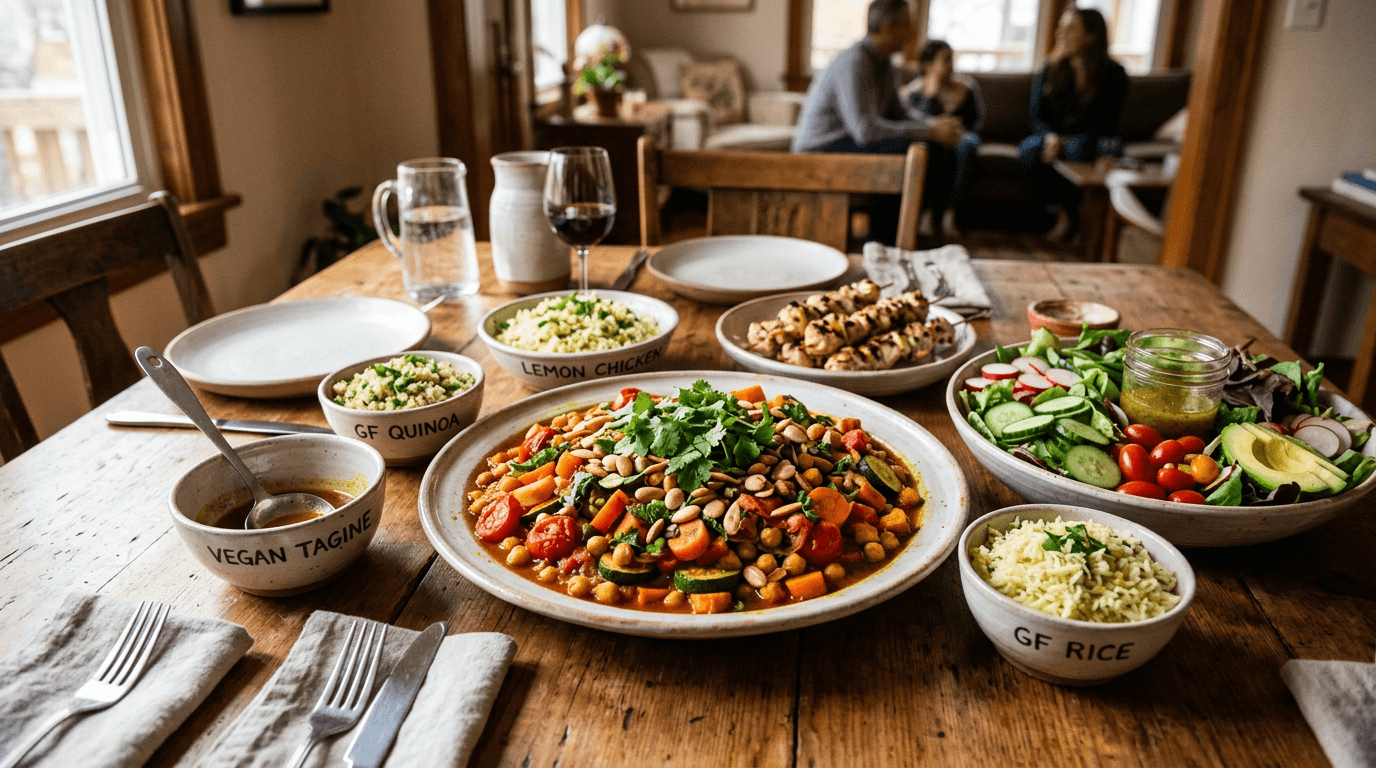
Harmonious Kitchen: How to Cook One Delicious Meal for Multiple Dietary Needs
Cooking can feel like a high-stakes juggling act when you're trying to feed a family or group with different food intolerances. You're probably tired of feeling like a short-order cook, making three different versions of dinner just to keep everyone happy and symptom-free. It's truly exhausting, and I've been there myself, wondering if a single, enjoyable meal for everyone was even possible.
But here's the good news: it absolutely is! I've spent a lot of time exploring how we can make mealtime a joyful, inclusive experience, even with a mix of low FODMAP, low histamine, or low salicylate needs. Let me show you how to transform your kitchen into a harmonious space where one delicious meal can satisfy every plate.
Unpacking the Puzzle: Understanding Everyone's Needs
The first step to cooking for multiple food intolerances is to really understand what you're working with. It can feel like a complicated puzzle, especially when one person can't have gluten, another needs to watch their histamines, and someone else reacts to salicylates. You might think there's no common ground, but I promise there's usually more overlap than you expect.
Start by making a simple list of everyone's specific intolerances. Don't just list the food; try to understand the component that causes the issue. For example, is it the lactose in dairy, or the dairy protein itself? Is it the fructans in wheat, or the gluten? This clarity helps you find safe alternatives that address the root cause.
Once you have your list, look for common themes. Are there certain vegetables, grains, or proteins that everyone can enjoy? These become your foundational building blocks. For instance, many people with various intolerances can often enjoy:
- Lean proteins like chicken, turkey, or white fish
- Simple grains like rice or quinoa (check individual tolerance for quinoa)
- Low-FODMAP vegetables such as carrots, spinach, bell peppers, or zucchini
- Healthy fats like olive oil
Focusing on what everyone can eat, rather than what they can't, instantly shifts your perspective and makes the process feel much less daunting. It's about finding that sweet spot where ingredients are naturally gentle and broadly tolerated.
The GentleFeast Way: Building from a Safe Base
At GentleFeast, our philosophy is all about nourishing your body gently, and that's especially true when you're cooking for multiple food intolerances. We lean heavily into a Mediterranean-adapted approach, which naturally lends itself to diverse dietary needs because it emphasizes whole, unprocessed foods. Think fresh produce, healthy fats, lean proteins, and simple starches.
When you're planning a meal, start with a "safe base" that everyone can enjoy. This might be a simple roasted chicken breast, a bowl of plain rice, or a big salad with universally tolerated greens. From there, you can add layers of flavor and texture that cater to individual preferences or restrictions.
I like to think of it as building a meal outwards. You lay down the foundation that's safe for the most sensitive eater, then you add elements that others can enjoy. For instance, if you're making a stir-fry, the base of rice and gently cooked vegetables might be safe for everyone. Then, you can have different sauces or protein options on the side that people can add themselves.
This approach means you're not constantly making entirely separate meals. You're creating one cohesive, delicious experience where everyone feels included and cared for, and you're not spending all night in the kitchen.
Ingredient Swaps: Your Culinary Superpowers
One of the most powerful tools in your harmonious kitchen is knowing how to make smart ingredient swaps. This isn't about sacrificing flavor; it's about being creative and resourceful. Many common trigger ingredients have fantastic, gentle alternatives that can keep your dishes tasting incredible.
Let's look at a few common ones:
- Onion and Garlic: These are notorious FODMAP triggers, but they're also flavor powerhouses! Instead of fresh onion and garlic, try using garlic-infused olive oil or onion-infused oil. The FODMAPs aren't oil-soluble, so you get the flavor without the digestive distress. For a garlicy kick, chives or the green parts of spring onions can be great.
- Dairy: If lactose or dairy proteins are an issue, there are so many wonderful alternatives now! Unsweetened almond milk, rice milk, or oat milk (check for gluten if needed) work well in sauces and baking. Nutritional yeast can add a cheesy flavor to savory dishes.
- Gluten-Containing Grains: For those avoiding gluten, options like quinoa, brown rice, millet, and gluten-free oats are fantastic. You can easily swap gluten-free pasta into many dishes, or use lettuce wraps instead of bread for burgers and tacos.
- High-Histamine/Salicylate Foods: This is where things can get a little trickier, but it's still manageable. For high-histamine tomatoes, try roasted bell peppers or sweet potatoes for a similar color and sweetness. Instead of spinach (higher oxalate/histamine for some), opt for romaine or butter lettuce. Research out of institutions like the Royal Prince Alfred Hospital (RPAH) in Australia has helped us understand these triggers better, guiding us towards gentler choices.
The key here is experimentation. Don't be afraid to try new ingredients and see how they work in your favorite recipes. You might discover a new staple that everyone loves!
Flavor Heroes: Herbs and Spices
When you're removing certain ingredients, you might worry about losing flavor. This is where herbs and spices become your best friends! They can add incredible depth and complexity without triggering intolerances.
Many dried herbs and fresh herbs like parsley, cilantro, basil, oregano, and thyme are generally well-tolerated across different dietary needs. Spices like turmeric, ginger, cumin, and coriander can also add warmth and vibrancy. Just be mindful of spice blends, as they sometimes contain hidden onion or garlic powder, or other less gentle ingredients.
Building flavor layers with gentle herbs and spices is a fantastic way to make your single meal taste amazing for everyone. It's about being clever with what you can use, rather than lamenting what you can't.
Deconstructed Dishes: Everyone's a Chef!
This strategy is a game-changer for cooking for multiple food intolerances. Instead of trying to make one dish that perfectly suits every single restriction, you create a meal with separate components. This way, everyone can build their own plate exactly how they like it, ensuring they get a delicious, safe, and satisfying meal.
Think "build-your-own" concepts. These are inherently inclusive and make mealtime fun. Here are some ideas:
- Taco/Burrito Bowls: Offer a base of plain rice or quinoa. Then, have separate bowls of seasoned ground meat (chicken, turkey, or beef), black beans (if tolerated), shredded lettuce, chopped bell peppers, avocado, and gentle salsa. People can pick and choose!
- Salad Bars: A big bowl of mixed greens is your starting point. Then, offer various proteins (grilled chicken, hard-boiled eggs), safe vegetables (cucumber, carrots, radishes), seeds, and a couple of simple, homemade dressings (like olive oil and lemon juice, or a gentle vinaigrette).
- Pasta Stations: Cook plain gluten-free pasta. Offer a simple olive oil and herb sauce, and perhaps a gentle meat sauce on the side. Then, let people add their own safe toppings like cooked vegetables, fresh herbs, or a sprinkle of nutritional yeast.
- Baked Potato/Sweet Potato Bars: Bake potatoes or sweet potatoes until tender. Serve with a variety of toppings like gentle chili, steamed broccoli, chives, dairy-free sour cream, or extra virgin olive oil.
The beauty of deconstructed meals is that it takes the pressure off you to create a single, perfect dish. You're providing the safe building blocks, and everyone gets to be their own culinary artist. It's a wonderful way to empower your eaters and ensure no one feels left out.
The Power of Prep: Setting Yourself Up for Success
When you're juggling different dietary needs, a little bit of meal prep goes a long way. It doesn't have to be an all-day affair; even an hour or two on the weekend can make your weeknight cooking for multiple food intolerances so much smoother. The goal is to have gentle, versatile ingredients ready to go, so you can quickly assemble meals.
Here are some prep ideas that make a huge difference:
- Batch Cook Grains: Cook a big batch of quinoa or rice at the start of the week. These are fantastic, universally gentle bases for bowls, salads, or as a side with any protein.
- Chop Veggies Ahead: Spend some time chopping up safe vegetables like carrots, bell peppers, zucchini, and cucumber. Store them in airtight containers. They're then ready for stir-fries, salads, or roasting.
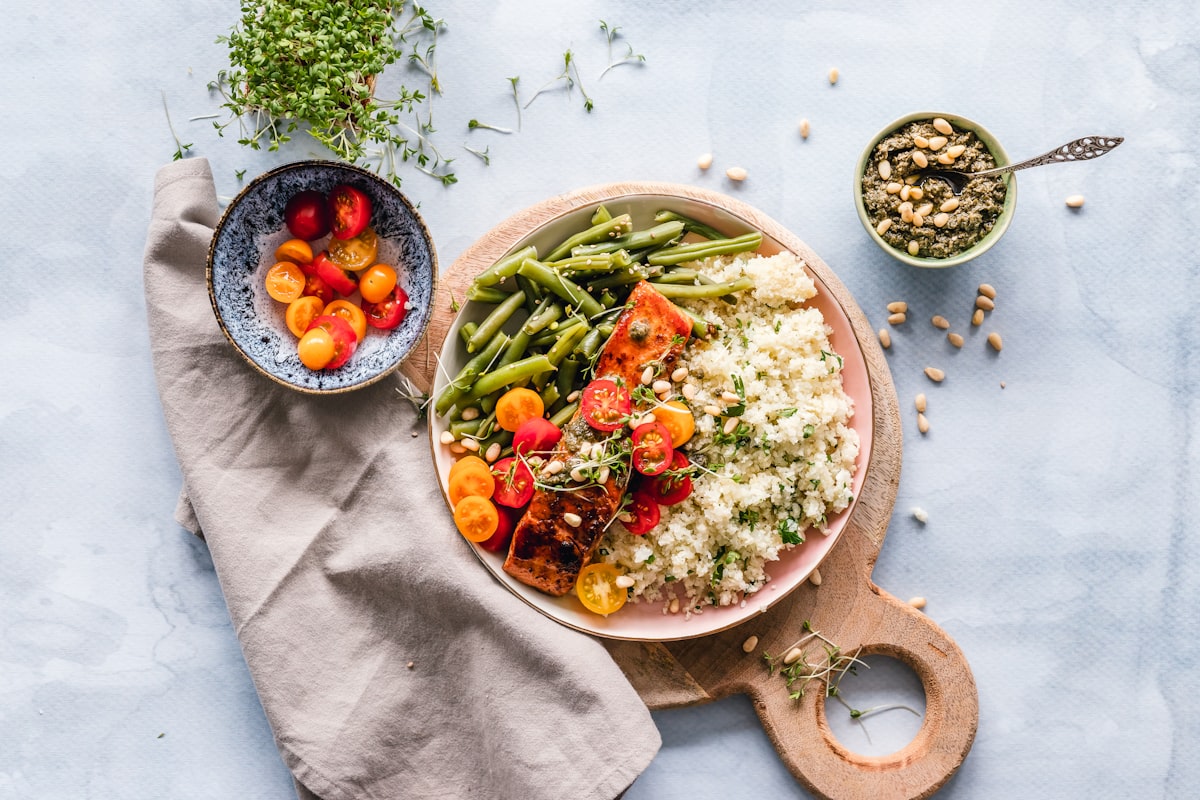
- Roast Versatile Proteins: Roast a big chicken or a tray of gentle fish. These cooked proteins can be added to salads, bowls, or served simply with a side of prepped veggies.
- Make Gentle Dressings/Sauces: Create a couple of simple, universally safe dressings or sauces. A basic olive oil and lemon dressing, or a gentle herb pesto (without common triggers like nuts or cheese if needed), can elevate many dishes.
Having these components ready means you're just combining and heating, rather than starting from scratch every single night. It reduces decision fatigue and makes healthy, inclusive eating much more accessible.
Your Practical Takeaway for Harmonious Meals
I know this might seem like a lot to take in, but remember, you don't have to master it all at once. The journey to harmonious cooking is about making small, sustainable changes that bring more joy and less stress to your kitchen. Here are the key takeaways I want you to remember:
- Start with what everyone can eat: Identify those common, gentle ingredients that form your safe base.
- Embrace ingredient swaps: Get creative with gentle alternatives for common triggers; flavor doesn't have to suffer!
- Deconstruct your meals: Offer components separately so everyone can build their perfect plate. This is a brilliant way of cooking for multiple food intolerances without compromise.
- Leverage herbs and spices: They're your secret weapon for incredible flavor without the fuss.
- Prep wisely: A little bit of planning and batch cooking goes a long way in simplifying your week.
You're not just cooking food; you're nurturing relationships and creating a welcoming, inclusive environment. That's a truly beautiful thing.
You've got this! Cooking for different needs doesn't have to be a source of stress; it can actually inspire incredible culinary creativity. This week, pick just one of these strategies – maybe try a build-your-own meal night – and see how much lighter and more joyful your kitchen feels. I'm here cheering you on every step of the way.
Which foods are behind your symptoms?
A free 60-second check to help you narrow it down — plus recipes matched to what works for your body.
Find my food triggers