Histamine-Friendly Mediterranean: Enjoying the Flavors Without the Flare-Up
Feeling frustrated by histamine intolerance? I'll show you how to adapt beloved Mediterranean dishes with fresh, low-histamine ingredients so you can enjoy delicious meals without the flare-ups.
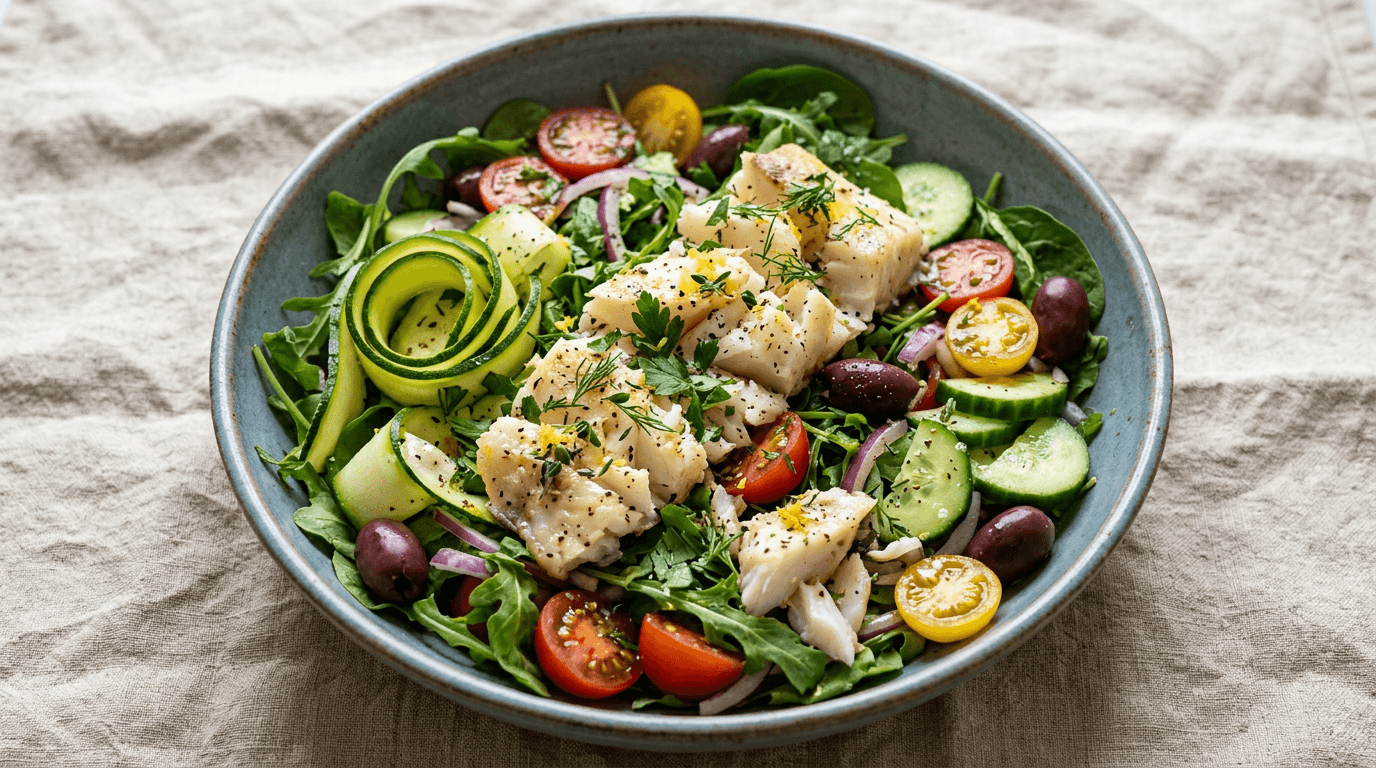
Histamine-Friendly Mediterranean: Enjoying the Flavors Without the Flare-Up
Oh, how frustrating it can be when your body just doesn't agree with the foods you love! You're craving those vibrant, sun-drenched flavors of the Mediterranean, but the thought of a histamine flare-up makes you hesitate. I've heard from so many of you who feel like you're missing out on delicious meals because of food sensitivities.
But here's the wonderful news: you absolutely can enjoy the spirit and taste of Mediterranean eating, even with histamine intolerance. It's all about making a few thoughtful adjustments and embracing fresh, wholesome ingredients. Let's dive in and discover how we can bring those delightful meals back to your table, gently and deliciously.
What's the Scoop on Histamine and Your Plate?
It's easy to feel a bit lost when you first start navigating histamine intolerance. You're probably wondering, "What is histamine, really, and why is it causing me so much trouble?" Well, histamine is a natural compound that's involved in lots of important processes in your body, like your immune response and digestion. It's also found in many foods.
For most people, eating histamine-containing foods isn't an issue because their body has enzymes that break it down efficiently. But for some of us, those enzymes aren't quite as active, or we might have an overload of histamine. When that happens, histamine levels can build up, leading to a whole range of uncomfortable symptoms – anything from headaches and skin issues to digestive upset or even a racing heart. It's not an allergy, but more like a cup overflowing when it can't handle any more liquid.
The good news is, understanding this helps us make smarter food choices that can keep that cup from overflowing. It's not about deprivation; it's about empowerment and finding delicious ways to nourish yourself without triggering those unwelcome reactions. We're learning to work with our bodies, not against them.
The Mediterranean Magic: Why It's Still a Winner (with a Twist!)
The Mediterranean way of eating is celebrated worldwide, and for good reason! It's rich in fresh vegetables, fruits, healthy fats, and lean proteins, all contributing to incredible well-being. Think vibrant colors, incredible aromas, and a focus on simple, wholesome ingredients. It's a lifestyle, not just a diet, emphasizing enjoyment and community around the table.
Now, I know what you're thinking: "But some of those traditional Mediterranean staples are high in histamine!" And you're absolutely right. Aged cheeses, cured meats like salami or prosciutto, fermented foods, and some types of fish that aren't super fresh can be histamine triggers. It can feel disheartening when you realize that some beloved dishes might be off-limits.
But don't despair! The essence of Mediterranean eating – its emphasis on fresh, unprocessed foods, seasonal produce, healthy oils, and gentle cooking – aligns beautifully with a histamine-friendly approach. We're not abandoning the Mediterranean; we're simply adapting it, focusing on its core principles and making smart swaps. We can still capture that incredible flavor and nourishing power without the flare-ups. It's all about creating your own gentle Mediterranean feast.
Your Histamine-Friendly Mediterranean Pantry Makeover
Let's talk about stocking your kitchen with ingredients that love you back! A histamine-friendly Mediterranean pantry is all about freshness, quality, and knowing what works for you. Think of it as building a delicious foundation for all your culinary adventures.
Fresh, Fabulous Produce for Histamine friendly mediterranean recipes
These are the stars of your plate! Fill your basket with:
- Leafy Greens: Spinach, arugula, lettuce, kale (use fresh, not wilted).
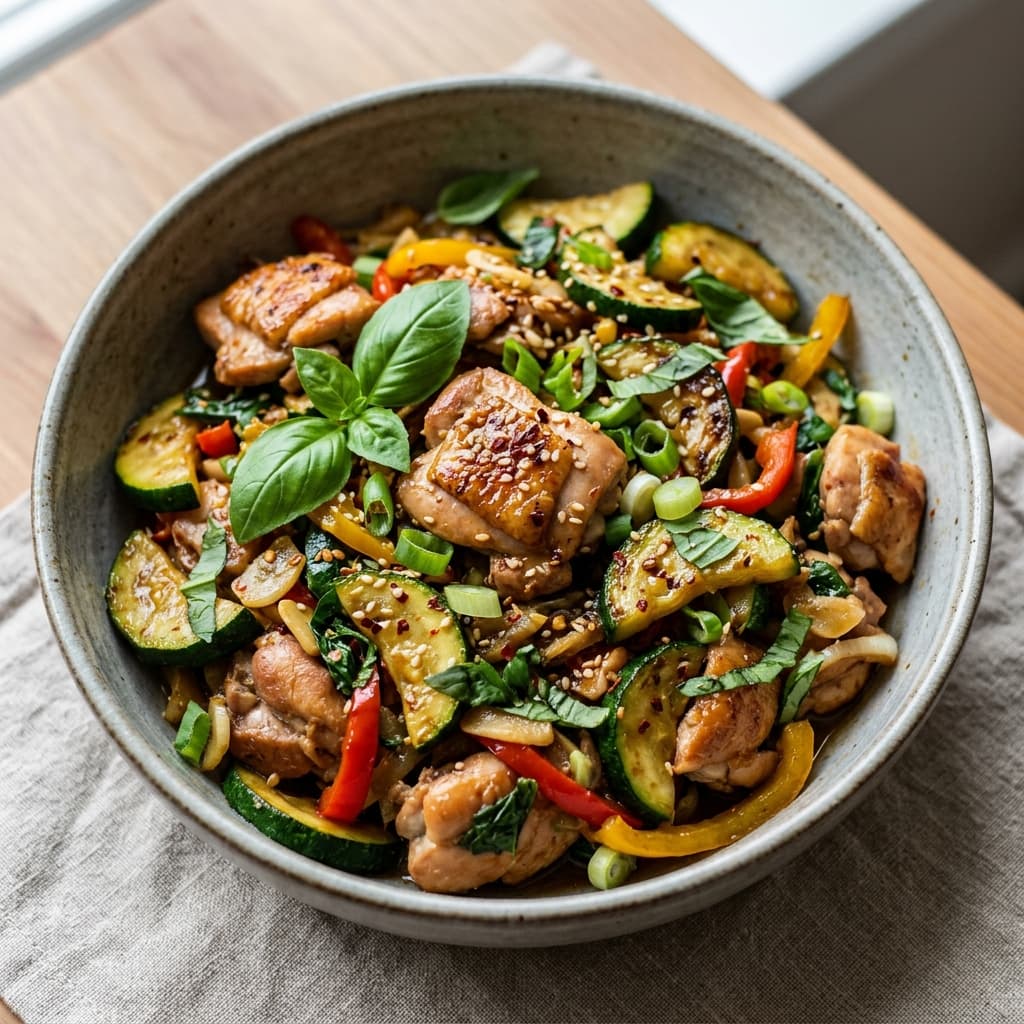
- Garden Goodies: Zucchini, cucumber, bell peppers (especially green and yellow, red can be higher for some), asparagus, carrots, green beans.
- Root Vegetables: Potatoes, sweet potatoes, parsnips.
- Fresh Herbs: Basil, oregano, thyme, rosemary, parsley, cilantro, mint – these are your flavor powerhouses!
- Fruits (in moderation, as tolerated): Apples, pears, blueberries, blackberries, cherries. Always go for fresh, ripe, and eat them soon after purchasing.
Proteins That Please
When it comes to protein, freshness is your absolute best friend.
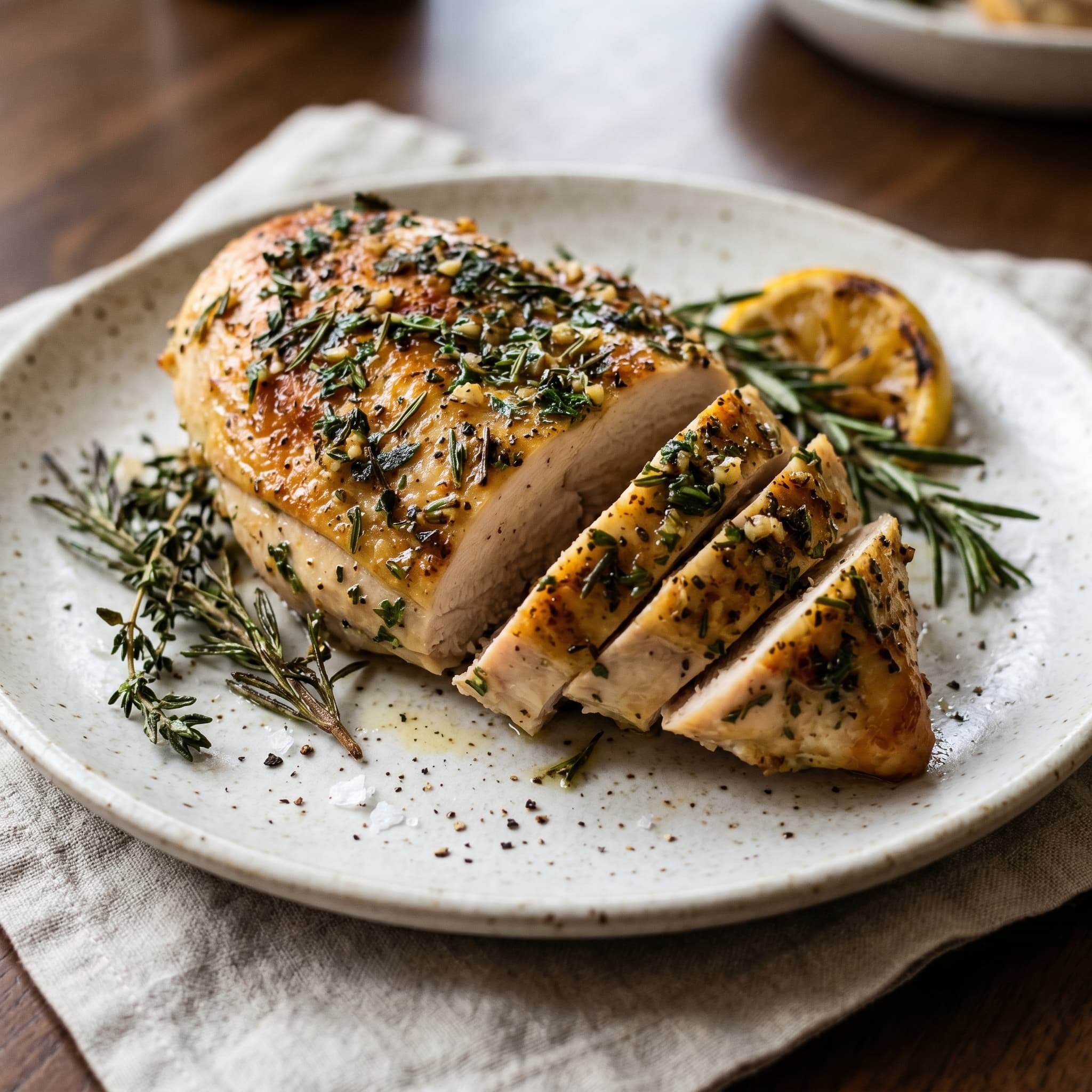
- Poultry: Fresh chicken and turkey. Cook it soon after buying, or freeze immediately.
- Red Meat: Fresh lamb or beef. Again, buy fresh, cook fresh, and avoid leftovers if you're very sensitive.
- Eggs: A wonderful, versatile protein source for many with histamine intolerance.
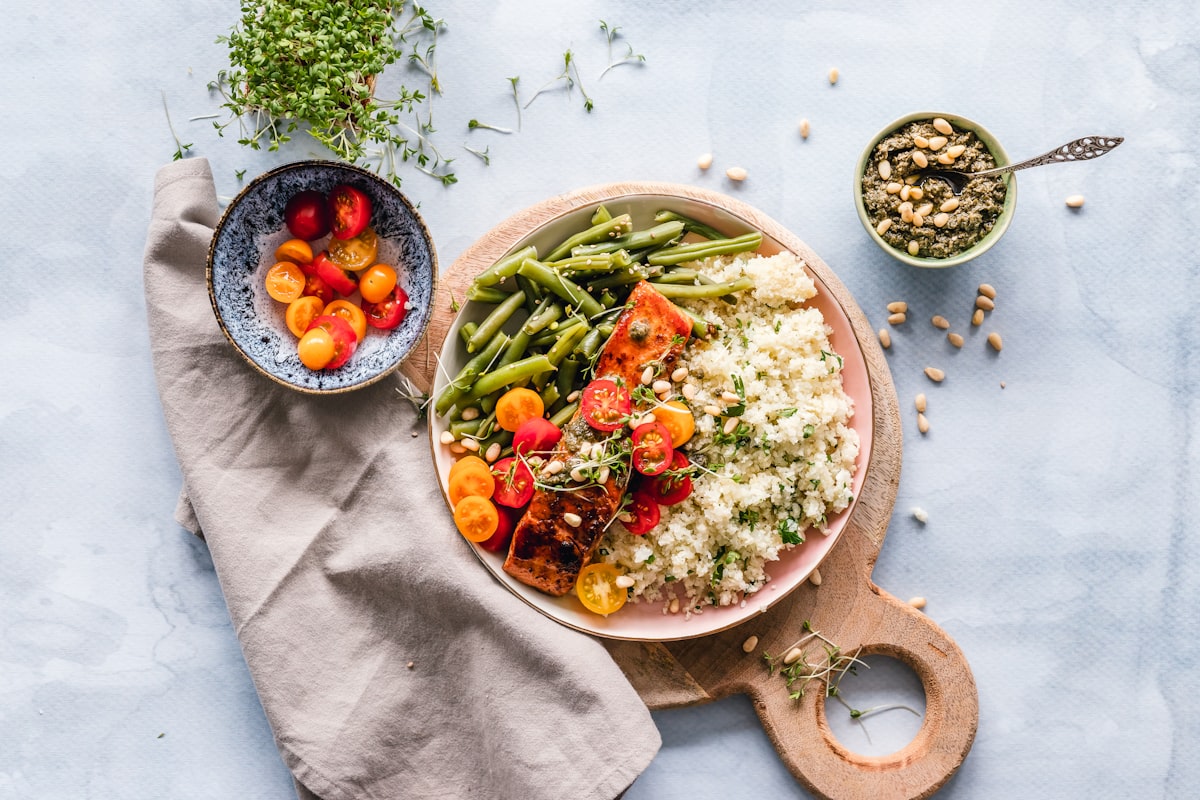
- Fish: This is where super freshness is key. Look for very fresh white fish like cod, sole, snapper, or halibut. Buy it the day you plan to cook it, and don't let it sit around. Avoid tuna, mackerel, salmon, and any smoked or canned fish, as these are typically much higher in histamine.
Grains and Legumes
These provide comforting bulk and nutrients.
- Grains: Rice (white or brown), quinoa, millet, gluten-free oats.
- Legumes: Lentils (rinsed well), chickpeas (rinsed well) – introduce these slowly to see how you tolerate them.
Healthy Fats and Flavor Boosters
These add richness and depth without the histamine hit.
- Olive Oil: A cornerstone of Mediterranean cooking! Choose a good quality, fresh extra virgin olive oil.
- Coconut Oil: Another great option for cooking.
- Garlic and Onions: Fresh garlic and onions are fantastic for building flavor.
- Salt: Simple, but essential!
Crafting Histamine-Friendly Mediterranean Recipes: Simple Swaps, Big Flavor
This is where the magic really happens – learning how to adapt your favorite Mediterranean-inspired dishes. You don't have to give up flavor; you just learn to coax it out of different ingredients! The goal is to build a repertoire of delicious histamine friendly mediterranean recipes that you can enjoy regularly.
Rethinking Sauces and Dressings
Traditional Mediterranean sauces often rely on tomatoes, vinegar, or aged ingredients, which can be histamine triggers.
- Instead of Tomato-Based Sauces: Try a pesto made with fresh basil, olive oil, garlic, and pine nuts (omit Parmesan if you're sensitive). Or, create light vegetable purees using roasted red peppers (skinned and seeded), carrots, or zucchini for a creamy base. Lemon juice and olive oil are your go-to dressing heroes.
- Vinegar Swaps: Skip the red wine vinegar and balsamic. Fresh lemon juice is an incredible substitute, providing brightness and acidity. You can also try apple cider vinegar if you tolerate it well, but start small.
- Soy Sauce Alternatives: Coconut aminos can be a good low-histamine alternative if you're looking for an umami kick.
Fresh Fish Focus for Histamine friendly mediterranean recipes
This bears repeating: freshness is paramount when it comes to fish.
- Buy and Cook Immediately: Plan your fish meals for the day you buy the fish. If you can't cook it that day, freeze it right away.
- Simple Preparations: Baking, grilling, or pan-searing with olive oil, lemon, and fresh herbs are perfect. Avoid marinating for long periods.
- Avoid: Smoked salmon, canned tuna, mackerel, sardines, and any fish that's been sitting in the fridge for more than a day.
Cheese and Dairy Alternatives
Aged cheeses are a definite no-go for histamine intolerance.
- Fresh Options: Fresh ricotta (made from pasteurized milk, very fresh) might be tolerated by some in small amounts, but always test carefully.
- Dairy-Free Swaps: Explore dairy-free "cheeses" made from low-histamine ingredients like coconut or cashews (if tolerated), but check ingredients carefully for any hidden triggers. Nutritional yeast can offer a cheesy flavor for some.
Spice It Up (Safely!)
While fresh herbs are fantastic, some dried spices can be problematic for very sensitive individuals.
- Embrace Fresh Herbs: Basil, oregano, thyme, rosemary, parsley, mint are your best friends. Use them generously!
- Common Spices: Salt, black pepper (freshly ground), bay leaves, and saffron are generally well-tolerated.
- Use Caution With: Chili powder, paprika, cinnamon, cloves, and nutmeg can be higher in histamine or act as histamine liberators for some. Listen to your body!
Cooking Methods That Keep Histamine Low
How you cook and store your food makes a big difference.
- Cook Quickly: Gentle cooking methods like steaming, baking, grilling, or quick sautéing are best. Avoid slow-cooking methods that allow food to sit at warm temperatures for a long time, as this can increase histamine.
- Eat Fresh: The sooner you eat food after it's cooked, the better. Leftovers can accumulate histamine over time, even in the fridge. If you must have leftovers, freeze them immediately after cooking and reheat thoroughly.
GentleFeast Kitchen: A Day of Delicious, Low-Histamine Mediterranean Eating
Let's put all these ideas into practice with a sample day of histamine friendly mediterranean recipes. This isn't a strict menu, but a source of inspiration to show you just how vibrant and satisfying your meals can be!
Morning Sunshine: Starting Your Day Right
- Breakfast: Scrambled eggs cooked with fresh spinach, a sprinkle of fresh parsley, and a drizzle of good olive oil. Serve with a side of gluten-free toast (if tolerated) or a small bowl of fresh blueberries.
- Another Idea: A warm bowl of quinoa porridge (cooked with water or a low-histamine plant milk), topped with sliced apple and a tiny bit of maple syrup.
Midday Delight: Light and Flavorful Lunches
- Lunch: A beautiful "Gentle Mediterranean Salad." Imagine crisp lettuce, cucumber slices, yellow bell pepper strips, shredded carrots, and grilled chicken breast (cooked fresh). Dress it simply with extra virgin olive oil and plenty of fresh lemon juice, seasoned with salt and fresh oregano.
- Another Idea: A bowl of homemade lentil soup (made with fresh ingredients, no tomato paste, using fresh herbs and a clear broth) and a side of plain rice crackers.
Evening Elegance: Satisfying Dinners
- Dinner: Baked Cod with Roasted Root Vegetables. Take a fresh cod fillet, season with salt, pepper, lemon juice, and fresh dill. Bake until flaky. Roast a medley of potatoes, carrots, and zucchini with olive oil and rosemary until tender and lightly caramelized.
- Another Idea: Fresh lamb patties seasoned with mint and garlic, pan-seared and served with a side of quinoa and a simple cucumber and fresh herb salad.
Snappy Snacks: Keep You Going
- Snacks: Apple slices with a spoonful of almond butter (check ingredients for additives), a handful of pumpkin seeds, or some cucumber sticks.
You'll notice the emphasis is always on freshness and simplicity. These meals are naturally flavorful, allowing the quality of the ingredients to shine through.
Closing
I truly hope this guide shows you that a histamine-friendly diet doesn't mean saying goodbye to deliciousness, especially when it comes to the incredible flavors of the Mediterranean. It's an invitation to explore, to experiment, and to fall in love with cooking again, knowing you're nourishing your body gently.
It might feel like a lot to learn at first, but remember, every small step makes a difference. Why not pick just one new histamine friendly mediterranean recipe idea from this article to try this week? Focus on incorporating more fresh herbs or swapping out one high-histamine ingredient. You've got this, and your taste buds are in for a treat!
Which foods are behind your symptoms?
A free 60-second check to help you narrow it down — plus recipes matched to what works for your body.
Find my food triggers