Mastering Meal Prep: Batch Cooking Strategies for Multiple Dietary Needs
Tired of daily cooking stress, especially with diverse dietary needs? Discover how mastering meal prep can transform your kitchen routine, saving you time and empowering you to eat well. I'll show you how to build versatile meals that cater to everyone, making healthy eating a breeze.
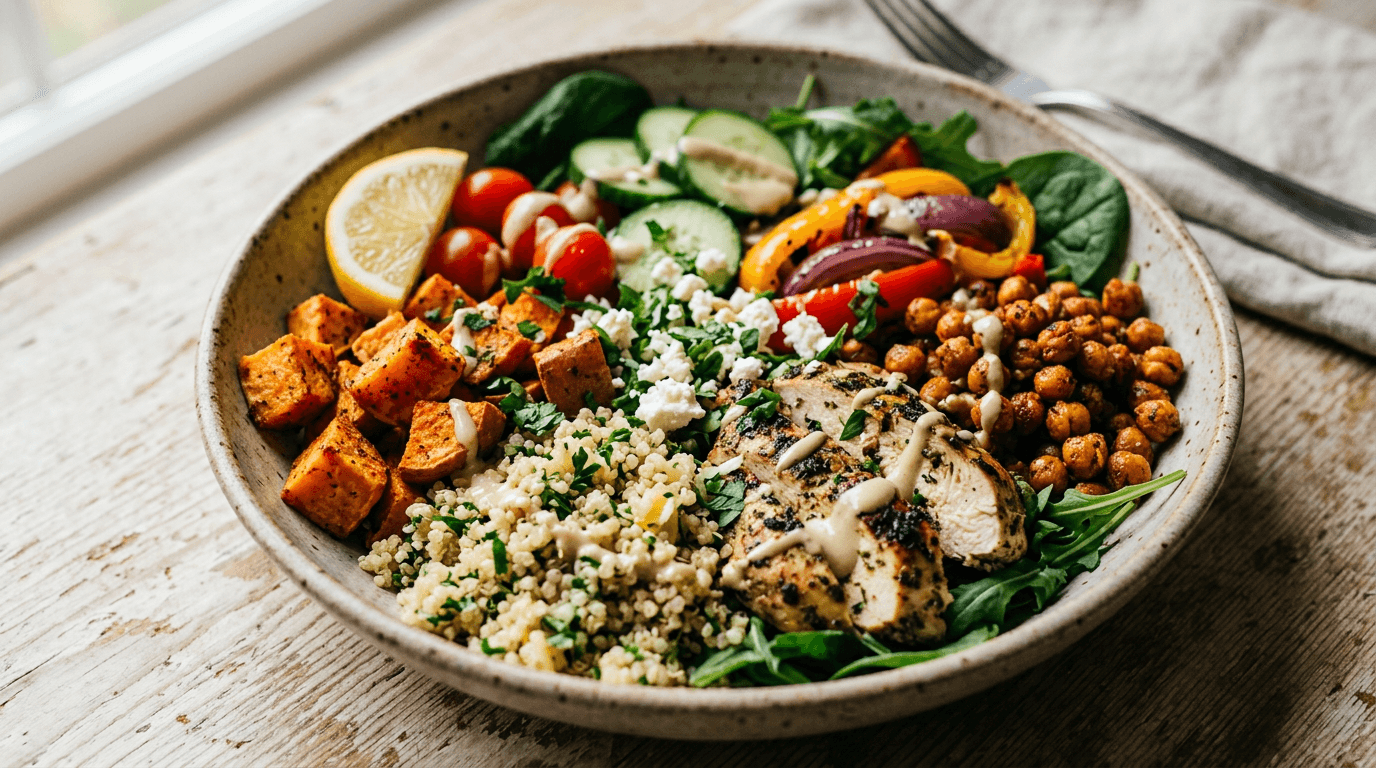
Mastering Meal Prep: Batch Cooking Strategies for Multiple Dietary Needs
Life can get so busy, can't it? You're juggling work, family, and all the daily demands, and sometimes just thinking about what to make for dinner feels like another chore. It's even trickier when you're trying to navigate specific dietary needs, whether it's for yourself or loved ones. I totally get it – that feeling of being overwhelmed in the kitchen can lead to less-than-ideal food choices, and that's just frustrating.
But what if I told you there's a way to reclaim your evenings, eat more mindfully, and still cater to everyone's unique needs without feeling like a short-order cook? The good news is, it's absolutely possible, and it all starts with mastering the art of meal prep. Let's dive into how we can make this work for you!
Why Meal Prep is Your Secret Weapon for Stress-Free Eating
I've been looking into this for a while, and what I've found is that meal prep isn't just about saving time; it's about giving you back control. When you dedicate a little time to batch cooking, you're not just making food; you're making a commitment to your well-being, reducing food waste, and even saving some money.
Imagine coming home after a long day and knowing a delicious, nourishing meal is just minutes away. No more last-minute scrambling, no more impulse take-out. It's a game-changer, especially when you're managing different food tolerances or dietary preferences in your household.
Building Your Versatile Meal Prep Foundation
The key to successful meal prep, especially for diverse needs, is building a flexible foundation. Think about components you can cook in larger quantities and then mix and match throughout the week. This is where your pantry staples really shine!
Core Components to Batch Cook:
-
Proteins: These are your building blocks! You can roast a big batch of chicken, like our Honey Curry Chicken Thighs, or simmer some turkey meatballs. For plant-based options, consider cooking a large pot of beans or lentils. Research suggests that soaking and boiling legumes can significantly increase their digestibility, making them more tummy-friendly. Tofu, tempeh, and edamame are also fantastic, complete plant-based proteins to keep on hand.
-
Grains/Starches: Rice, quinoa, roasted potatoes, or sweet potatoes are perfect for batch cooking. They're versatile and can be paired with almost anything. If you're going plant-based, combining rice and beans is a classic way to ensure you're getting all those essential amino acids throughout your day.
-
Vegetables: Roasting a sheet pan full of your favorite veggies – think carrots, bell peppers, broccoli, zucchini – is a brilliant move. They soften beautifully and add so much flavor and fiber. Remember, incorporating water-rich ingredients like veggies can help you feel full and satisfied without adding a lot of extra calories.
Don't forget about high-quality fats like extra virgin olive oil for cooking, and pantry staples like flaxseeds, walnuts, and chia seeds for plant-based omega-3s. If you enjoy animal products, canned fatty fish like salmon or sardines are also wonderful to have for quick additions.
Smart Strategies for Diverse Dietary Needs During Meal Prep
This is where meal prep really shines for families or individuals with varying dietary requirements. Instead of cooking entirely separate meals, we're going to think in terms of adaptable components.
Adapting Your Base Recipes:
-
Flavor Profiles: Cook your base proteins and grains relatively plain. Then, you can add different sauces, herbs, or spices later to change the flavor profile. For instance, a batch of plain roasted chicken can become Mediterranean-inspired with lemon and oregano, or Asian-inspired with a soy-ginger sauce.
-
Vegetable Swaps: If someone has a low FODMAP sensitivity, you might roast a larger batch of bell peppers and carrots, and then separately steam some green beans for others. Our Honey Curry Chicken Thighs with Air-Fried Root Vegetables recipe, for example, uses carrots and red bell pepper, which are generally well-tolerated, but you can always swap in other low-FODMAP options like zucchini or eggplant for those who need it.
-
Sauces on the Side: This is a big one! Prepare sauces, dressings, and marinades separately. This allows everyone to customize their meal to their liking and avoids issues with specific ingredients. For example, a tomato-based sauce for our Turkey Meatballs with Rice is delicious, but if someone is sensitive to tomatoes, they could opt for a pesto instead.
-
Protein Variations: If you're making a batch of chili, you could cook a portion with ground turkey and another with extra beans and lentils for a vegetarian option. The base flavors are the same, but the protein source changes.
Remember, the goal isn't perfection, it's progress. You're giving yourself and your family flexibility and delicious options.
Cooking in Batches: Your Go-To Techniques for Meal Prep Success
When you're aiming for efficient meal prep, choosing the right cooking methods makes all the difference. You want methods that are relatively hands-off and can handle larger quantities.
My Favorite Batch Cooking Methods:
-
Roasting: This is my absolute favorite for vegetables and many proteins. You can chop up a ton of veggies, toss them with olive oil and seasonings, and spread them on sheet pans. While one sheet pan of root vegetables and bell peppers is air-frying for our Honey Curry Chicken Thighs (or roasting, if you prefer a conventional oven), you could be roasting another pan of broccoli and zucchini. It's incredibly hands-off and brings out so much flavor.
-
Slow Cooker/Instant Pot: These appliances are meal prep champions! They're fantastic for stews, chilis, shredded chicken, or even large batches of grains like quinoa. You can often set them and forget them, freeing you up to do other prep tasks.
-
Big Pots for Grains and Legumes: Cooking a large pot of rice, quinoa, or lentils on the stovetop is simple and effective. Just make sure you're using a pot large enough to prevent overflow. For legumes, remember that soaking them first can improve digestion.
-
Air Frying: While not ideal for *huge* batches, an air fryer is brilliant for quickly cooking proteins or crisping up smaller portions of vegetables for a few days' worth of meals. Our Flavorful Honey Curry Chicken Thighs with Roasted Vegetables recipe uses air-fried root vegetables for that perfect texture.
The trick is to think about what can cook simultaneously or in sequence to maximize your time in the kitchen.
Making It Stick: Tips for Sustainable Meal Prep
Starting a new routine can be exciting, but the real challenge is making it a habit. Here are some of my best tips for making meal prep a sustainable part of your life:
-
Start Small: You don't have to prep every single meal for the entire week right away. Maybe start with just lunches, or a few dinners. Ease into it and build up as you feel more comfortable.
-
Pick Your Day: Designate a specific day and time for your meal prep. For many, Sunday afternoon works perfectly. Treat it like an appointment you wouldn't miss.
-
Invest in Good Containers: Having airtight, microwave-safe containers that stack well makes a huge difference in storage and convenience. Glass containers are my personal favorite!
-
Plan for Variety: To avoid burnout, plan a few different meals or components each week. You don't want to eat the exact same thing five days in a row, unless you *really* love it!
-
Embrace the Freezer: Cook double batches of things that freeze well, like chili, soups, or even cooked grains. This is like prepping for future you!
-
Don't Be Afraid to Adapt: If a recipe isn't working for your dietary needs, change it! That's the beauty of cooking at home. For instance, if you're sensitive to certain spices in a curry, you can always adjust the amounts or swap them out.
Remember, meal prep is a tool to make your life easier, not more stressful. Find what works for you and your family.
Your Practical Takeaway: A Weekly Meal Prep Blueprint
Ready to jump in? Here's a simple blueprint to help you get started with your meal prep journey, keeping those diverse dietary needs in mind:
-
Choose Your Recipes (or Components): Pick 2-3 main dishes or 3-4 versatile components (e.g., one protein, two grains, two veggies). Think about recipes like our Honey Curry Chicken Thighs or Turkey Meatballs with Rice as a base, and how you can adapt parts of them.
-
Make Your Shopping List: Check your pantry first! Then, write down everything you need, organized by grocery store section. This saves so much time at the store.
-
Prep Your Ingredients First (Mise en Place): Before you even turn on the stove, wash and chop all your vegetables, measure out spices, and get everything ready. This makes cooking flow so much smoother. It's like having your own cooking show assistant!
-
Cook in Batches: Start with the items that take the longest (like roasting root vegetables or simmering beans). While those are cooking, you can move on to other tasks, like marinating chicken or preparing sauces. Cook enough so you have leftovers for a few days.
-
Assemble and Store: Once everything is cooked and cooled, portion out your meals into individual containers. This is where you can make those specific dietary adjustments – maybe a smaller portion of rice for one person, or extra broccoli for another. Label everything clearly with the date.
-
Enjoy Your Week! With your meals prepped, you've just given yourself the gift of time and peace of mind. You're ready to tackle the week with delicious, nourishing food at your fingertips.
You've got this! Embracing meal prep is a wonderful step towards a more joyful and less stressful relationship with food. It empowers you to eat well, manage dietary needs with grace, and truly savor your precious time.
So, why not pick just one recipe this week, like those delicious Honey Curry Chicken Thighs, and give batch cooking a try? You might be surprised at how much you love it!
Which foods are behind your symptoms?
A free 60-second check to help you narrow it down — plus recipes matched to what works for your body.
Find my food triggers