Mediterranean Diet Meal Plan: A Week of Anti-Inflammatory Eating
Thinking about eating healthier? The Mediterranean diet is a popular choice, and for good reason. It's not really a strict diet, more like a way of eating that ...

Thinking about eating healthier? The Mediterranean diet is a popular choice, and for good reason. It's not really a strict diet, more like a way of eating that focuses on delicious, whole foods. We're talking lots of veggies, fruits, healthy fats, and lean proteins. It’s a really balanced approach that’s good for your heart and just generally makes you feel good. This guide will help you get started with a Mediterranean Diet Meal Plan: A Week of Anti-Inflammatory Eating.
Key Takeaways
- The Mediterranean diet focuses on whole, unprocessed foods like fruits, vegetables, whole grains, legumes, nuts, seeds, and olive oil.
- It emphasizes lean proteins such as fish and poultry, with limited amounts of red meat.
- This eating pattern is known for its anti-inflammatory properties and heart-healthy benefits.
- Building a Mediterranean Diet Meal Plan involves incorporating these foods into daily meals and snacks.
- Flexibility is key; the plan encourages enjoying meals and adapting to individual needs and preferences.
Understanding The Mediterranean Diet
So, what exactly is this Mediterranean diet everyone's talking about? It's not really a strict diet in the way you might think, with calorie counting or rigid rules. Instead, it's more like a lifestyle, inspired by how people ate in countries around the Mediterranean Sea back in the mid-20th century. Think Greece, Italy, and Spain. It's all about enjoying real, whole foods and focusing on an overall eating pattern that's good for you.
What Is The Mediterranean Diet?
At its core, the Mediterranean diet emphasizes plant-based foods and healthy fats. You'll be filling your plate with lots of vegetables, fruits, beans, lentils, nuts, and whole grains. Olive oil is a big player here, used as the primary source of fat. Fish, especially fatty fish rich in omega-3s, is also a regular feature. Dairy, like cheese and yogurt, is enjoyed in moderation, while red meat is eaten less often, with poultry, fish, or beans taking its place. Sweets and sugary drinks are kept to a minimum.
Key Principles Of Mediterranean Eating
This way of eating is built on a few simple ideas:
- Prioritize Plants: Load up on colorful fruits and vegetables, legumes, and nuts. They're packed with vitamins, minerals, and fiber.
- Choose Healthy Fats: Extra virgin olive oil is your go-to. It's great for cooking and dressing salads.
- Go for Whole Grains: Opt for things like whole-wheat bread, brown rice, oats, and quinoa instead of refined grains.
- Enjoy Fish Regularly: Aim for at least two servings of fish per week, especially those high in omega-3s.
- Moderate Dairy and Poultry: These can be part of your diet, but not the main event.
- Limit Red Meat and Sweets: These are for occasional enjoyment, not daily staples.
The Mediterranean diet is less about restriction and more about abundance – enjoying delicious, nutrient-dense foods that work together to support your health. It's a sustainable approach that feels good and tastes great.
Benefits Of A Mediterranean Lifestyle
Following this eating pattern has been linked to some pretty impressive health perks. For starters, it's known for being _anti-inflammatory_, which can help with all sorts of things. Research suggests it can help lower the risk of heart disease and stroke, and it might even play a role in preventing type 2 diabetes. Plus, it's a great way to support good gut health and maintain healthy cholesterol and blood pressure levels. It’s a well-rounded approach to well-being that focuses on enjoying food and staying active. You can find more information on the [Mediterranean diet focuses on whole grains](https://www.health.harvard.edu/healthy-aging-and-longevity/guide-to-the-mediterranean-diet).
Building Your Mediterranean Diet Meal Plan
So, you're ready to start putting together your Mediterranean diet meal plan? That's awesome! It's not about strict rules or counting every single calorie. Think of it more like a delicious way of eating that focuses on fresh, whole foods. The goal is to build meals around things that are good for you and taste great, too.
Essential Foods To Include
This diet is packed with plant-based goodness. You'll want to fill your plate with a rainbow of vegetables – think leafy greens, bell peppers, tomatoes, and broccoli. Fruits are also a big deal, so load up on berries, apples, and citrus. Whole grains like oats, quinoa, and whole-wheat bread are your friends, providing sustained energy. Don't forget legumes such as beans and lentils, which are fantastic sources of fiber and protein. And of course, healthy fats are key, with extra virgin olive oil being the star player. Nuts and seeds are great for snacks or adding to meals.
Foods To Enjoy In Moderation
Some foods are great, but maybe not for every single meal. This category includes things like poultry and fish, which are excellent sources of lean protein. Eggs are also fine in moderation. Dairy products, especially yogurt and cheeses like feta or goat cheese, can be part of your plan too. The idea here is balance – these foods are good for you, but they aren't the main focus like vegetables and whole grains.
Foods To Limit Or Avoid
This is where we talk about the stuff to cut back on. Red meat, while it can be enjoyed occasionally in lean cuts, isn't a daily staple. Processed meats like sausages and bacon are best saved for rare occasions, if at all. Ultra-processed foods – think packaged snacks, sugary drinks, and refined grain products like white bread – are what we're really trying to minimize. They often contain a lot of added sugar, salt, and unhealthy fats that don't do our bodies any favors. Butter is also something to use sparingly, opting for olive oil instead whenever possible.
A Week Of Anti-Inflammatory Eating

Breakfast Ideas For A Healthy Start
Getting your day going with a meal that fights inflammation is a smart move. Think whole grains, fruits, and healthy fats. For instance, a bowl of steel-cut oats topped with berries and a sprinkle of nuts is a fantastic choice. Or, try whole-grain toast smeared with almond butter and a side of fresh fruit. Even scrambled eggs with a handful of spinach and a slice of whole-grain toast can set a positive tone for your day. The key is to focus on foods that provide sustained energy and a good dose of nutrients without causing a sugar spike.
Nutrient-Rich Lunch Options
Lunchtime is a great opportunity to pack in more anti-inflammatory goodness. A big salad loaded with colorful vegetables, chickpeas, and a light vinaigrette is always a winner. Lentil soup with a side of whole-grain bread is another hearty option. If you're on the go, consider a wrap made with whole-wheat tortillas filled with lean protein like chicken or fish, plenty of veggies, and a drizzle of tahini sauce. These meals help keep you full and focused without the afternoon slump.
Satisfying Dinner Entrees
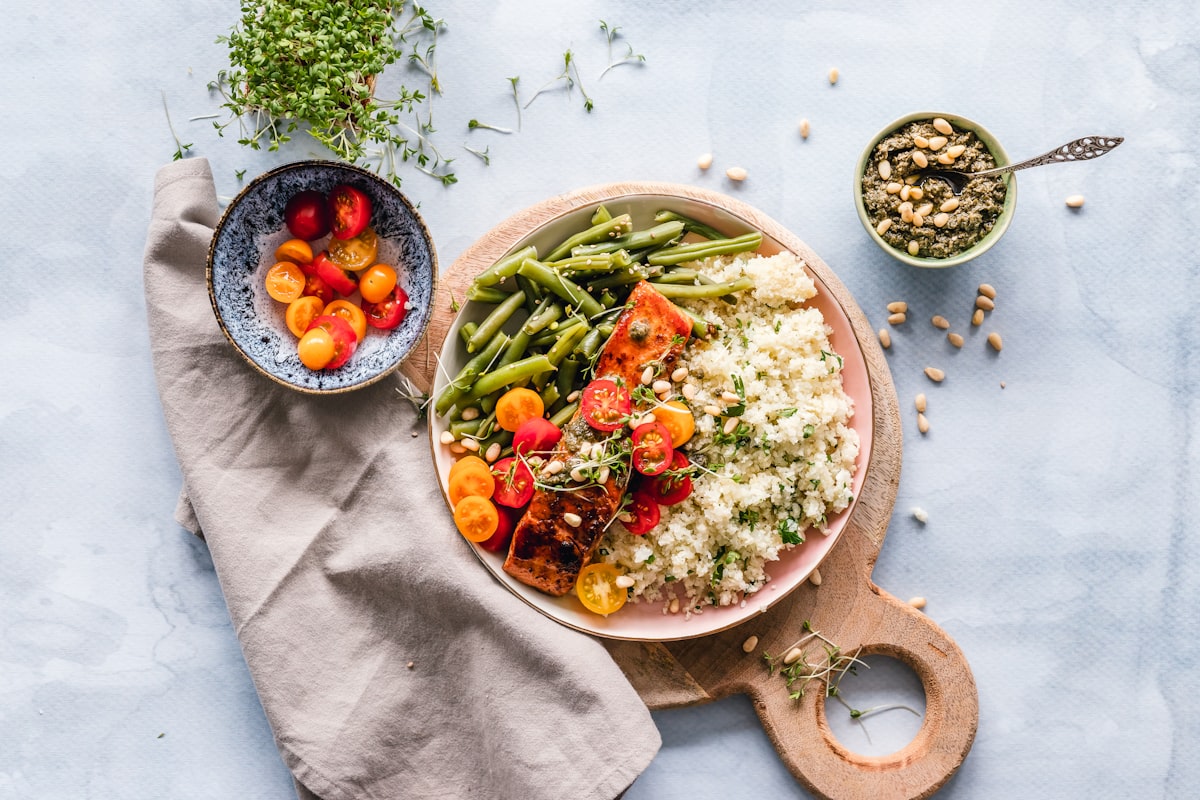
Dinners on the Mediterranean diet are often the star of the show, and for good reason. Think baked salmon with roasted vegetables, or chicken kebabs with a side of brown rice and a dollop of Greek yogurt. Another great option is a hearty lentil stew or a flavorful shakshuka served with whole-wheat pita. These meals are designed to be both delicious and beneficial for your body. Don't forget to include plenty of herbs and spices, as they often pack their own anti-inflammatory punch.
Smart Snacking On The Mediterranean Diet
Snacking between meals doesn't have to derail your healthy eating. In fact, with the Mediterranean diet, snacks can be a fantastic way to boost your nutrient intake and keep hunger at bay. The key is to choose options that are rich in fiber and healthy fats, which help you feel full and satisfied. Think of snacks as mini-meals that contribute positively to your overall diet.
Fiber-Rich Snack Choices
Fiber is your friend when it comes to feeling full and keeping your digestive system happy. Incorporating fiber-rich snacks can make a big difference in managing your appetite throughout the day. These options are not only good for you but also quite tasty.
- Fresh fruit: Apples, berries, pears, or oranges are easy to grab and go.
- Vegetable sticks: Carrot, cucumber, or bell pepper sticks are great for dipping.
- Whole-grain crackers: Pair them with a healthy spread.
- Edamame: Steamed and lightly salted, these are a satisfying choice.
Healthy Fats For Midday Energy
Healthy fats are a cornerstone of the Mediterranean diet, and they make for excellent snacks that provide sustained energy. Unlike simple carbs that can lead to a quick energy crash, fats help keep you going.
- Nuts and seeds: A small handful of almonds, walnuts, or pistachios provides healthy fats, protein, and fiber. Just be mindful of portion sizes, as they are calorie-dense. About a quarter cup is a good starting point.
- Avocado: Spread a quarter of an avocado on a slice of whole-grain toast or enjoy it with some veggie sticks. It's packed with monounsaturated fats.
- Olives: A small bowl of olives offers healthy fats and a satisfying salty flavor.
Quick And Easy Snack Preparations
Preparing snacks ahead of time can be a game-changer, especially on busy days. Having healthy options ready to go means you're less likely to reach for less healthy convenience foods. Here are a few ideas to get you started:
- Portion out nuts: Divide a larger bag of nuts into small containers or snack bags for easy grabbing.
- Wash and chop veggies: Store pre-cut carrots, celery, and bell peppers in the fridge for quick access.
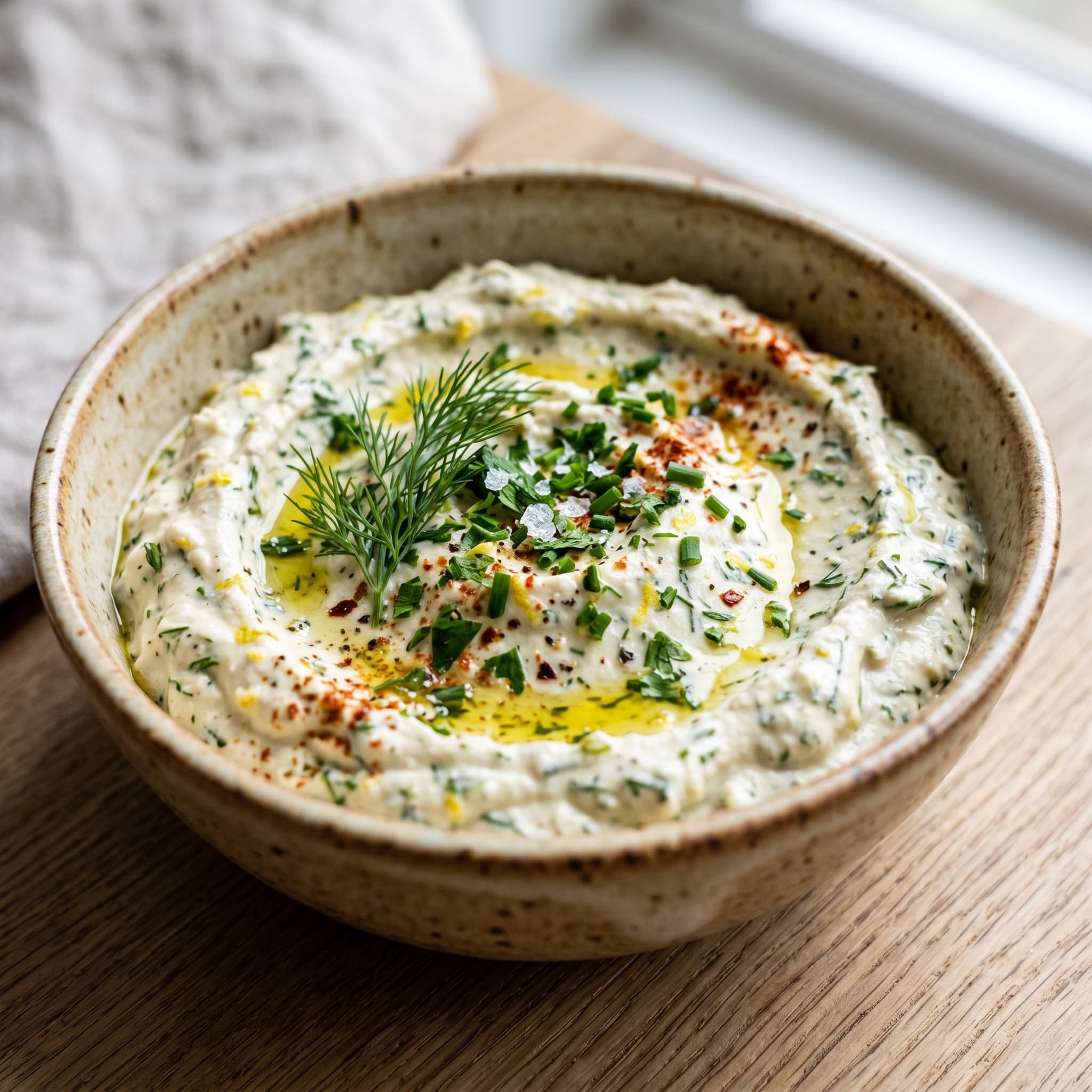
- Make a batch of hummus: Homemade hummus is surprisingly simple and lasts for several days in the refrigerator. It's perfect for dipping [gut-healthy snack recipes](https://www.eatingwell.com/gut-healthy-snack-recipes-for-the-mediterranean-diet-11891840) or veggies.
Snacks on the Mediterranean diet are about smart choices that nourish your body. They should complement your meals, not replace them, and provide sustained energy and satisfaction. Focusing on whole, unprocessed foods is the simplest way to ensure your snacks are beneficial.
Dining Out The Mediterranean Way

Making Healthier Choices At Restaurants
Eating out doesn't have to derail your Mediterranean diet goals. The key is to be mindful of your choices and know what to look for on the menu. Think of it as an adventure in finding delicious, healthy options wherever you go. Focus on whole, unprocessed foods, just like you would at home. Many restaurants are happy to accommodate special requests, so don't be afraid to ask.
Smart Ordering Strategies
When you're looking at the menu, keep these tips in mind:
- Prioritize grilled, baked, or steamed dishes over fried ones. For example, grilled fish or chicken is a great choice.
- Load up on vegetables. Ask for extra veggies as a side, or choose dishes that are packed with them, like a Greek salad or a vegetable stir-fry.
- Opt for whole grains when available. If you see options like brown rice, quinoa, or whole-wheat pasta, go for it.
- Be mindful of sauces and dressings. Creamy or heavy sauces can add a lot of extra fat and calories. Ask for dressings and sauces on the side so you can control how much you use.
- Skip the bread basket or ask for whole-grain bread and a small amount of olive oil for dipping, instead of butter.
Navigating Different Cuisines
Most cuisines can be adapted to fit a Mediterranean eating style. Here are a few ideas:
- Italian: Look for dishes with lots of vegetables, like minestrone soup or a primavera pasta (ask for whole-wheat pasta and olive oil sauce).
- Mexican: Choose options like grilled fish tacos on corn tortillas, or a bean-based salad with lots of fresh salsa and avocado.
- Asian: Opt for stir-fries with plenty of vegetables and lean protein, served with brown rice. Be cautious of heavy, sugary sauces.
Remember, the Mediterranean diet is about balance and enjoyment. It's not about strict rules, but about making conscious, healthy choices that still allow you to savor your meal.
Customizing Your Meal Plan
Tailoring To Individual Needs
So, you've got the basics of the Mediterranean diet down, which is great! But here's the thing: everyone's different. What works for one person might not be the best fit for another. That's where customizing your meal plan comes in. It's not just about following a generic list; it's about making this way of eating work for _you_. Think about your daily routine, your energy levels, and what you actually enjoy eating. Making small, sustainable changes is key to long-term success.
Consider these points when tweaking your plan:
- Activity Level: Are you super active, or more of a homebody? Your calorie and nutrient needs will change based on how much you move.
- Dietary Restrictions: Got allergies, intolerances, or specific preferences like vegetarian or vegan? The Mediterranean diet is flexible enough to adapt.
- Health Goals: Are you aiming for weight management, better heart health, or just more energy? Your food choices can be fine-tuned to support these goals.
- Budget: Eating well doesn't have to break the bank. Focus on seasonal produce and whole grains, which are often more affordable.
Remember, the Mediterranean diet is a pattern, not a rigid set of rules. It's about enjoying delicious, wholesome food in a balanced way. Don't be afraid to experiment and find what makes you feel your best.
Incorporating Seasonal Produce
One of the best parts of eating Mediterranean is embracing the bounty of fresh, seasonal produce. It just tastes better, it's usually cheaper, and it's better for the environment. Think about what's growing in your region at different times of the year.
- Spring: Asparagus, peas, spinach, strawberries, artichokes.
- Summer: Tomatoes, zucchini, bell peppers, peaches, berries, corn.
- Fall: Squash, apples, pears, root vegetables, leafy greens like kale.
- Winter: Citrus fruits, Brussels sprouts, cabbage, leeks, potatoes.
Planning meals around what's in season means you'll naturally get a wider variety of nutrients throughout the year. Plus, it makes grocery shopping more exciting!
Balancing Flavors And Nutrition
Getting the right mix of nutrients is important, but so is making your food taste amazing. The Mediterranean diet is famous for its vibrant flavors, and you can achieve this by using herbs, spices, lemon juice, and good quality olive oil. Don't just stick to the same few meals; mix it up!
Here’s a quick look at how to balance your plate:
| Food Group | Focus On | Enjoy In Moderation |
|---|---|---|
| Vegetables | Abundant, varied colors | Starchy vegetables (potatoes, corn) |
| Fruits | Fresh, seasonal | Dried fruits (in small amounts) |
| Whole Grains | Brown rice, quinoa, whole-wheat pasta/bread | Refined grains |
| Legumes | Beans, lentils, chickpeas | \- |
| Healthy Fats | Olive oil, nuts, seeds, avocado | Butter, margarine |
| Lean Protein | Fish, poultry, eggs | Red meat |
| Dairy | Yogurt, cheese (in moderation) | \- |
By paying attention to both what you eat and how you prepare it, you can create a Mediterranean meal plan that's both incredibly healthy and genuinely enjoyable.
Wrapping It Up
So, that's the Mediterranean diet in a nutshell. It's not about strict rules or counting every little thing. It's more about enjoying good, real food – lots of veggies, fruits, whole grains, and healthy fats like olive oil. Think of it as a flexible way to eat that's good for your heart and tastes great too. You can totally make it work for you, adding in your favorite healthy snacks and meals. Remember, it's always a good idea to chat with your doctor before making big changes to how you eat, but this plan is a solid starting point for a healthier, tastier lifestyle.
Frequently Asked Questions
What exactly is the Mediterranean diet?
Think of the Mediterranean diet as a delicious way to eat that focuses on foods like colorful fruits and veggies, whole grains (like oats and brown rice), beans, nuts, and healthy fats such as olive oil. It also includes fish and seafood regularly, with chicken and dairy in moderation. It's less about strict rules and more about enjoying tasty, real foods.
Is the Mediterranean diet good for my heart?
Absolutely! Studies show that people who follow this eating style often have a lower chance of heart problems, like heart attacks and strokes. The healthy fats, fiber, and nutrients in these foods help keep your heart happy and healthy.
Do I have to give up all my favorite foods?
Not at all! The Mediterranean diet isn't about banning foods. It's about enjoying most of your meals with healthy choices and having treats like sweets, red meat, or butter only once in a while. You can still enjoy life and good food!
What are some easy snacks I can have on this diet?
Snacking is easy and healthy! Try some crunchy carrots or cucumbers with hummus, a handful of berries or nuts, or some whole-grain crackers with a bit of avocado. These snacks give you energy without the sugar crash.
What if I eat out at restaurants?
Eating out can still be Mediterranean-friendly! Look for grilled fish or chicken, ask for extra veggies, and choose whole grains like quinoa or brown rice. You can skip the bread basket or ask for whole-grain bread with olive oil instead of butter.
How much wine can I drink on this diet?
The Mediterranean diet suggests enjoying a glass of red or white wine in moderation with meals, if you choose to drink. However, if you don't drink alcohol, health experts don't recommend starting. It's always best to chat with your doctor about what's right for you.
Which foods are behind your symptoms?
A free 60-second check to help you narrow it down — plus recipes matched to what works for your body.
Find my food triggers