Mediterranean Grains & Legumes: Low Sulfur Alternatives for Your Favorite Dishes
Discover how to enjoy the rich flavors of Mediterranean grains and legumes while following a low sulfur diet. I'll show you smart swaps and delicious meal ideas that keep your plate vibrant and your body happy.
Mediterranean Grains & Legumes: Low Sulfur Alternatives for Your Favorite Dishes
Isn't it just the best feeling to dive into a vibrant, flavorful Mediterranean meal? That sense of tradition, health, and pure deliciousness is something I truly cherish. But I know that for many of us, navigating food sensitivities like a need for a low sulfur diet can feel like it's putting a damper on that joy, especially when it comes to staples like grains and legumes.
It's frustrating when you're trying to eat well and suddenly realize some of your go-to ingredients might not be working for you. The good news is, you don't have to give up the Mediterranean flavors you love! I've been looking into how we can adapt these wonderful dishes, focusing on grains and legumes, to fit a low sulfur lifestyle. Let's find some delicious ways forward together.
The Heart of the Mediterranean Plate: Grains & Legumes
When I think of Mediterranean eating, I immediately picture tables laden with wholesome ingredients. Grains and legumes are absolutely central to this beautiful way of eating, aren't they? They're the foundation of so many iconic dishes, from hearty lentil soups to fluffy couscous salads and satisfying bean stews.
These foods aren't just delicious; they're nutritional powerhouses! Grains, especially whole grains, bring us fiber, energy, and important minerals. Legumes, on the other hand, are incredible sources of plant-based protein and fiber, making them a cornerstone for many vegetarian and plant-forward meals. They're staples that nourish both body and soul in the Mediterranean tradition.
Understanding Sulfur: Why It Matters for Some of Us
You might be wondering, "Why sulfur?" And that's a really good question! For most people, sulfur compounds in food are perfectly fine and even essential for our bodies. But for some individuals, certain sulfur-containing foods can trigger uncomfortable symptoms, ranging from digestive upset to headaches or skin issues.
It's not always easy to pinpoint, and it can feel a bit like detective work figuring out what works for *your* body. When you're trying to manage these sensitivities, understanding which foods are higher or lower in sulfur can make a world of difference in how you feel day-to-day. My aim here isn't to make you worried about every bite, but to empower you with choices that feel good.
Navigating Grains in a Low Sulfur Mediterranean Kitchen
The Mediterranean diet truly celebrates grains, often featuring whole grains like bulgur, farro, and whole wheat pasta. But when you're focusing on a low sulfur Mediterranean grains approach, some of these staples might need a little adjustment.
Embracing Lower Sulfur Grains
The good news is, there are plenty of delicious grains that are naturally lower in sulfur and fit beautifully into Mediterranean cooking. These can become your new best friends in the kitchen!
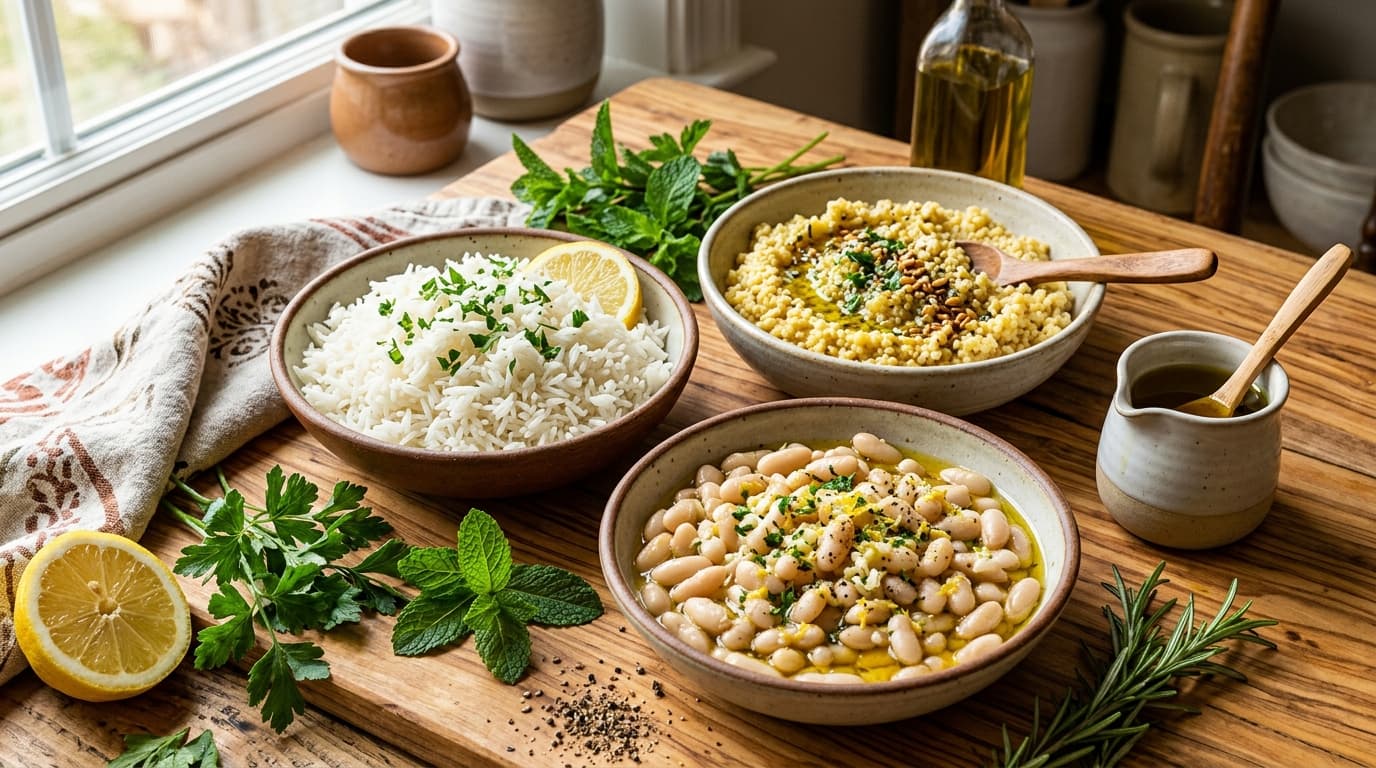
- White Rice: This is a fantastic low sulfur option. It's incredibly versatile and can be the base for so many dishes, from pilafs to stuffed vegetables.
- Brown Rice: While slightly higher in sulfur than white rice, it's still considered a lower sulfur choice. It offers more fiber and a nuttier flavor, perfect for grain bowls or as a side.
- Millet: This ancient grain is wonderfully low in sulfur and has a mild flavor. You can use it like couscous in salads or as a porridge.
- Sorghum: Another naturally low sulfur grain, sorghum is gluten-free and can be popped like popcorn or cooked into a hearty side dish.
- Rice Noodles & Rice Flour: If you're looking for pasta alternatives or baking, rice-based products are generally well-tolerated and lower in sulfur.
Smart Swaps for Your Favorite Grain Dishes
So, how do we make these swaps without losing that authentic Mediterranean feel? It's all about creativity!
- Instead of Bulgur for Tabbouleh: Try using cooked millet or even finely chopped white rice. You'll still get that lovely texture and the fresh herb flavors will shine through.
- For Pasta Dishes: Opt for white rice pasta. It holds sauces beautifully, and you won't miss out on those rich tomato and herb flavors.
- As a Side Dish: Replace wheat-based couscous with millet or a fluffy white rice pilaf. Add plenty of fresh herbs like parsley and mint (which are low sulfur, Source 1) and a squeeze of lemon for that signature zest.
- Breads: While traditional Mediterranean breads often use wheat, you can explore rice-based crackers or even gluten-free sourdough spelt bread, which some find more tolerable.
Remember, many gluten-free grains tend to be lower in sulfur, which is a helpful tip to keep in mind.
Legumes: A Protein Powerhouse, Low Sulfur Style
Legumes are truly the unsung heroes of the Mediterranean diet. They're packed with protein, fiber, and so many good-for-you nutrients. Think about all those comforting lentil soups, hearty bean stews, and creamy hummus! But just like grains, we need to be a little selective when we're following a low sulfur legumes plan.
The Legume Landscape: Finding Your Low Sulfur Friends
While many legumes are moderate in sulfur, we do have some excellent choices that are lower in sulfur and still bring all that lovely Mediterranean character to your plate.
- White Beans: These are a fantastic low to moderate sulfur option and are incredibly versatile. Think cannellini, great northern, or navy beans. They're creamy, mild, and perfect for stews, salads, or even mashed as a spread.
- Rice + Beans: Combining rice with beans creates a complete protein and is a great low to moderate sulfur meal. This classic pairing is a staple in many cultures, and for good reason!
Other legumes like lentils and chickpeas are often considered moderate sulfur, so you might want to introduce them cautiously and in smaller portions, listening to your body. The research is still evolving, but focusing on white beans is a great starting point for a lower sulfur approach.
Cooking with Low Sulfur Legumes
Preparation can make a real difference too! If you're using dried beans, soaking them thoroughly and rinsing them well before cooking can help. Using fresh, clean water for cooking is always a good idea.
- Herbal Infusion: Instead of relying on high sulfur spices like garlic or onion powder, infuse your bean dishes with fresh herbs. Basil, oregano, thyme, rosemary, parsley, and dill are all wonderful, low sulfur choices that scream Mediterranean flavor.
- Lemon Brightness: A generous squeeze of fresh lemon juice (low sulfur, Source 1) can brighten up any bean dish and add that characteristic Mediterranean tang.
- Tomato & Bell Pepper Base: Build your stews and sauces with fresh tomatoes and bell peppers (checking for individual tolerance, as some find peppers irritating), rather than relying heavily on onion and garlic as a base.
Bringing It All Together: Meal Ideas for Your Low Sulfur Mediterranean Journey
Now for the fun part: putting these ingredients into practice! Creating delicious, low sulfur Mediterranean meals is absolutely doable. Here are a few ideas to get your culinary creativity flowing.
White Rice & White Bean Pilaf with Fresh Herbs
Imagine a fragrant pilaf where fluffy white rice meets creamy white beans. It's incredibly satisfying and so easy to adapt!
- Sauté chopped carrots and celery in a little olive oil until softened.
- Add cooked white rice and rinsed, cooked cannellini beans.
- Stir in plenty of fresh parsley, dill, and a squeeze of lemon juice.
- Season with salt, a pinch of ginger, and a dash of cinnamon (all low sulfur, Source 1).
- Serve as a hearty side or a light main dish.
Millet Salad with Cucumber, Tomato & Mint
This is a refreshing take on a grain salad, perfect for a light lunch or mezze spread.
- Cook millet according to package directions and let it cool.
- Dice fresh cucumber and ripe tomatoes (if tolerated).
- Finely chop a generous amount of fresh mint and parsley.
- Combine the cooled millet, vegetables, and herbs in a bowl.
- Dress with olive oil, fresh lemon juice, salt, and maybe a little dried oregano (low sulfur, Source 1).
Creamy White Bean & Rosemary Dip
Move over, traditional hummus! This dip is equally delicious and low sulfur friendly.
- Blend cooked white beans with a good drizzle of olive oil, fresh rosemary (low sulfur, Source 1), a squeeze of lemon juice, and salt.
- Add a tiny bit of water if needed to reach your desired creamy consistency.
- Serve with rice crackers or slices of low sulfur bread.
Remember, you can also enjoy delicious, low sulfur friendly breakfasts like our Chia Seed Pudding with Fresh Mediterranean Fruits, which uses chia seeds, almond milk, and berries, all generally lower in sulfur.
Your Delicious Journey Continues!
I hope you're feeling a little more hopeful and inspired about your low sulfur Mediterranean journey. It's truly amazing how many delicious possibilities open up when we start to explore alternatives and adapt our favorite dishes. You're not just restricting; you're discovering new flavors and new ways to nourish yourself!
Take it one step at a time, listen to your body, and celebrate every small victory in the kitchen. Maybe this week, you'll try swapping your usual grain for millet in a salad. You've got this, and I'm cheering you on every step of the way!
Which foods are behind your symptoms?
A free 60-second check to help you narrow it down — plus recipes matched to what works for your body.
Find my food triggers