Mediterranean Marvels: Adapting Classic Dishes for a Low Oxalate Lifestyle
Love the Mediterranean diet but need to watch your oxalates? I'll show you how to adapt classic dishes with smart swaps and delicious low oxalate Mediterranean recipes.
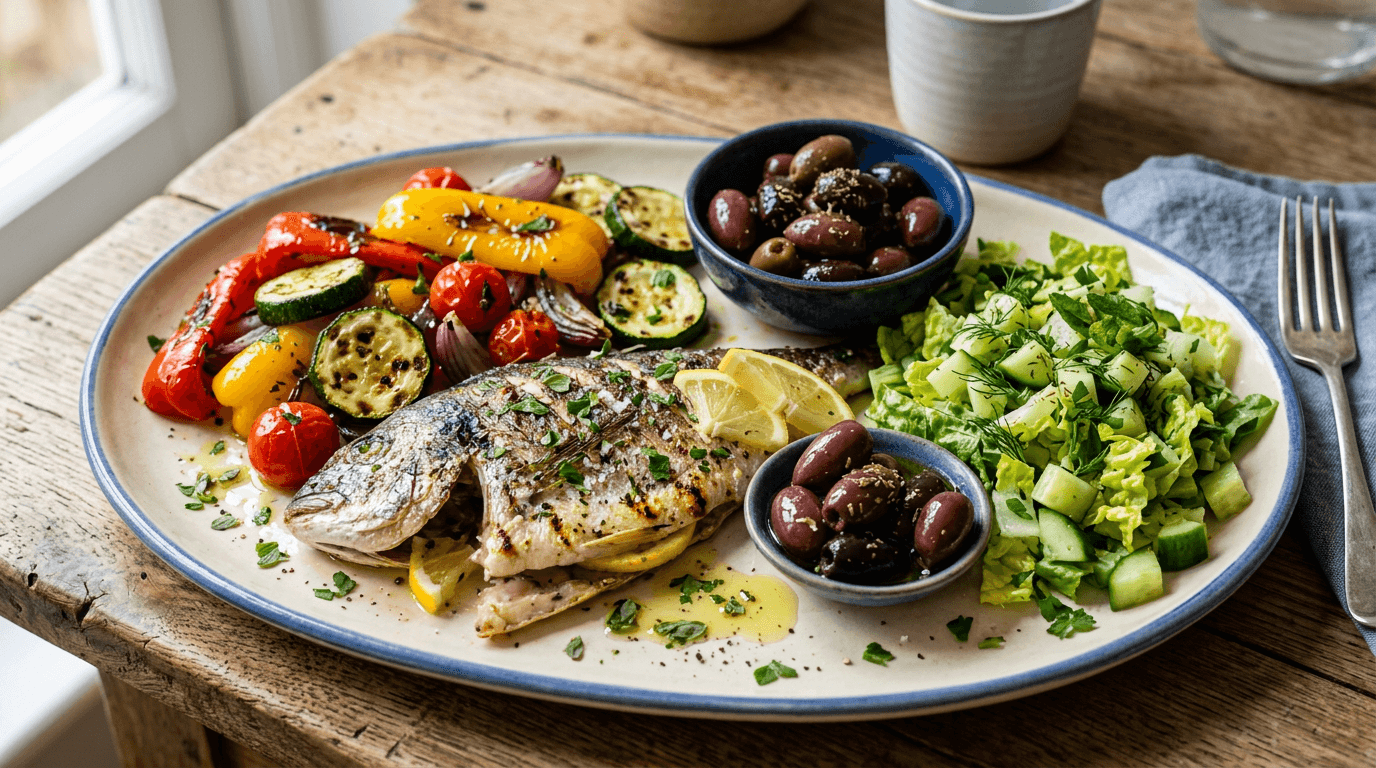
Mediterranean Marvels: Adapting Classic Dishes for a Low Oxalate Lifestyle
You adore the vibrant flavors, fresh ingredients, and healthy traditions of Mediterranean eating, don't you? It's a beautiful way to nourish yourself! But maybe you've also discovered that oxalates are causing you a bit of trouble, and suddenly, some of your favorite healthy foods feel off-limits. It's frustrating when what's supposed to be good for you feels complicated, isn't it? I totally get it.
The good news is, you absolutely can enjoy the deliciousness of the Mediterranean diet while keeping oxalates in check. It just takes a little know-how and some creative swaps, and I'm here to show you how.
Understanding Oxalates: What's the Big Deal?
So, what exactly are oxalates? They're natural compounds found in many plants, and when we eat them, they can bind with minerals like calcium in our bodies. For most people, this isn't an issue; we just excrete them.
But for some of us, especially if we're prone to kidney stones or have certain digestive sensitivities, these little compounds can cause problems. They can build up, leading to discomfort or contributing to stone formation. It's not about avoiding them entirely—that would be really hard!—but rather about managing the amount you consume to a level your body feels happy with. You're not alone in navigating this, and it's a journey many of us are on.
The Mediterranean Diet You Know and Love (with a Twist)
Let's talk about why we all love the Mediterranean diet so much. It's not just a diet; it's a lifestyle! It celebrates fresh, seasonal produce, healthy fats like olive oil, lean proteins, whole grains, and a generous helping of herbs and spices. It's about enjoying meals with loved ones, moving your body, and savoring simple, wholesome foods.
This way of eating has been linked to so many wonderful health benefits, from heart health to longevity. The heart of it is eating real food. And guess what? Many of these core principles align beautifully with a low oxalate approach. We're not throwing out the baby with the bathwater here; we're simply making some smart adjustments to embrace both wellness goals. It's about adapting, not abandoning, the joy of Mediterranean food.
Grains and Legumes
Traditionally, the Mediterranean diet includes a fair amount of whole grains and legumes. For a low oxalate approach, you'll want to lean into grains like white rice, millet, corn, and oats. While whole wheat can be higher, you can often enjoy smaller portions or opt for refined versions if tolerated.
When it comes to legumes, chickpeas and lentils are often moderate, so you can enjoy them in moderation. Just make sure to soak and cook them well, as this can sometimes help reduce oxalate content. For a truly low oxalate grain, rice pasta is a fantastic swap for wheat pasta in many dishes!
Fruits and Vegetables
This is where the Mediterranean diet really shines, and luckily, there are tons of low oxalate options! Think about vibrant colors and fresh flavors.
- Vegetables: Bell peppers (all colors!), cabbage, cauliflower, broccoli, cucumbers, mushrooms, onions, garlic, green beans, zucchini, eggplant, asparagus, and potatoes (white and sweet) are all great choices. You've got a whole rainbow to play with!
- Fruits: Apples, bananas, melon (cantaloupe, honeydew), grapes, peaches, plums, cherries, and most berries (strawberries, blueberries) are generally low. Citrus fruits like oranges and lemons are also good. These can add so much sweetness and zest to your Mediterranean-inspired meals.
Proteins and Fats
Good news here! The Mediterranean diet's emphasis on lean proteins and healthy fats is largely low oxalate friendly.
- Proteins: Fish and seafood (especially fatty fish like salmon, sardines, and mackerel), chicken, turkey, and eggs are all excellent choices. You can also enjoy moderate amounts of lean beef or lamb.
- Fats: Olive oil is your best friend here, and it's naturally low oxalate. Avocados are also a wonderful source of healthy fats and are low in oxalates. Olives themselves are typically fine, too. These healthy fats are essential for flavor and satisfaction in your meals.
Navigating High Oxalate Foods: Smart Swaps and Savvy Choices
Now, let's talk about some common Mediterranean ingredients that can be higher in oxalates. Don't worry, we're not saying goodbye forever, just learning how to make smart substitutions or enjoy them in smaller amounts. It's all about finding what works for your body.
Leafy Greens
Spinach and Swiss chard are Mediterranean darlings, but they're quite high in oxalates. Instead of a big spinach salad, try building your salads with:
- Romaine lettuce
- Butter lettuce
- Cabbage (shredded for a crunchy base!)
- Arugula (in moderation, as it's mid-range)
You can still get that lovely green pop without the oxalate load. Consider cooking greens like kale and collards, as boiling them and discarding the water can reduce oxalate content, but you'll still want to keep portions small.
Nuts and Seeds
Almonds and cashews are often found in Mediterranean dishes, but they can be high. Here are some lower oxalate alternatives:
- Chia seeds (in moderation)
- Flax seeds (in moderation)
- Poppy seeds (in moderation)
- Pine nuts (in moderation, they're mid-range)
For that satisfying crunch, consider toasted pumpkin seeds or even sunflower seeds in smaller quantities. It's all about mindful portioning when it comes to these guys.
Grains
While whole wheat is a staple, it's higher in oxalates than some other grains. If you're sensitive, you might want to try:
- White rice instead of brown rice in pilafs or as a side.
- Millet for a fluffy, couscous-like texture.
- Corn-based pasta or polenta for a delicious alternative.
- Sourdough bread can be a good choice, as the fermentation process might reduce oxalates, but always listen to your body!
Putting It All Together: Low Oxalate Mediterranean Recipes You'll Adore
This is the fun part! Let's get creative with some delicious low oxalate Mediterranean recipes that will make your taste buds sing. You'll see how easy it is to adapt your favorites.
Breakfast Ideas
- Mediterranean Scramble: Sauté bell peppers, onions, mushrooms, and a little garlic in olive oil. Whisk in eggs and cook until fluffy. Top with fresh parsley and a drizzle of extra virgin olive oil.
- Yogurt with Fruit: Plain Greek yogurt (check labels for added ingredients) with sliced banana, blueberries, and a sprinkle of low oxalate seeds like poppy or a tiny bit of flax. A drizzle of honey is lovely!
- Oatmeal with a Twist: Cook rolled oats with water or low oxalate milk (like rice milk). Stir in diced apple, a pinch of cinnamon, and a tiny bit of olive oil for a savory-sweet breakfast.
Lunch & Dinner Creations
- Sheet Pan Lemon Herb Chicken and Veggies: Toss chicken pieces with chopped zucchini, bell peppers, asparagus, and red onion. Drizzle generously with olive oil, lemon juice, dried oregano, and garlic powder. Roast until chicken is cooked through and veggies are tender. Serve with a side of white rice or millet. This is a fantastic example of easy low oxalate Mediterranean recipes!
- Greek Salad (Oxalate-Friendly Style): Combine chopped romaine lettuce, cucumber, bell peppers, tomatoes, red onion, and Kalamata olives. Add some crumbled feta cheese and grilled chicken or shrimp. Dress with a simple olive oil and red wine vinegar vinaigrette. Skip the spinach and go for the crunch of romaine!
- Fish en Papillote: Place a white fish fillet (like cod or snapper) on parchment paper with thin slices of zucchini, cherry tomatoes, fresh dill, a lemon slice, and a splash of white wine or broth. Fold into a packet and bake. It steams beautifully and keeps all the flavors in! Serve with roasted potatoes.
- Zucchini Noodle "Pasta" with Pesto: Spiralize zucchini into noodles. Toss with a homemade pesto made from fresh basil, garlic, pine nuts (in moderation), parmesan cheese, and plenty of olive oil. Add grilled shrimp or chicken for a complete meal. This is a brilliant way to enjoy pasta flavors without the higher oxalate grains.
Snack Time
- Cucumber Slices with Hummus: Make your own hummus with well-soaked and cooked chickpeas (or use a store-bought brand you trust). Serve with crisp cucumber slices.
- Apple Slices with Nut Butter (in moderation): A small amount of almond butter or sunflower seed butter on apple slices can be a satisfying treat.
- Olives and Feta Cubes: A simple, savory, and very Mediterranean snack!
Your Kitchen, Your Rules: Tips for Success
Embracing a low oxalate Mediterranean lifestyle doesn't have to be overwhelming. Here are a few friendly tips to help you thrive:
- Cook at Home: This gives you total control over ingredients. You'll know exactly what's going into your low oxalate Mediterranean recipes.
- Hydrate, Hydrate, Hydrate: Drinking plenty of water is always a good idea, especially when managing oxalates. It helps your body flush things out.
- Portion Power: Even with low oxalate foods, moderation is key. Listen to your body and how it responds.
- Embrace Herbs and Spices: They add so much flavor without adding oxalates! Think oregano, basil, thyme, rosemary, mint, garlic, and onion powder. They're the backbone of Mediterranean cooking.
- Keep a Food Journal: If you're new to this, jotting down what you eat and how you feel can help you identify your personal triggers and discover which foods work best for you.
- Don't Be Afraid to Experiment: The beauty of cooking is creativity! Try new vegetable combinations, different protein sources, and various herbs. You might discover new favorite low oxalate Mediterranean recipes!
You've got this! Adapting your beloved Mediterranean way of eating to be low oxalate isn't about deprivation; it's about discovery. It's about finding new, delicious ingredients and creative ways to enjoy the foods that make you feel your best. Think of it as a culinary adventure, where you're becoming an expert in nourishing yourself, Mediterranean style, with a gentle touch for your body. So, why not start today by trying one new low oxalate vegetable in your next meal? Your taste buds, and your body, will thank you!
Which foods are behind your symptoms?
A free 60-second check to help you narrow it down — plus recipes matched to what works for your body.
Find my food triggers