Salicylate Sensitivity vs Histamine Intolerance: How to Tell Which One Is Triggering You
Same symptoms, different causes — I'll help you spot whether salicylates or histamine intolerance are behind your reactions, and how to test safely.
Feeling like you're playing a constant game of "food detective," trying to figure out what's making you feel unwell? I hear you — and there's real clarity available once you know what each condition is actually doing in your body.
Salicylate sensitivity is a reaction to natural plant compounds — the same family as aspirin — found in many fruits, vegetables, and spices. Histamine intolerance means your body can't clear histamine fast enough, often due to a DAO enzyme shortfall, and it's triggered by aged, fermented, or leftover foods. Symptoms overlap, but trigger patterns differ — so test one elimination at a time.
Many of us experience uncomfortable symptoms after eating certain foods, but knowing whether it's a true allergy, an intolerance, or a sensitivity can feel impossible to untangle on your own. Today, let's shine a light on two common, yet often misunderstood, sensitivities that can mimic each other: salicylate sensitivity and histamine intolerance. Understanding the differences is your first step toward feeling better.
Unpacking the Mystery: What's Happening in Your Body?
What are Salicylates?
Let's start with salicylates. These are natural chemical compounds found in a wide variety of plants. Think of them as the plant world's defense mechanism, helping protect them from diseases, bacteria, fungi, and even hungry insects. They're everywhere — in fruits, vegetables, herbs, spices, and even teas.
Acetylsalicylic acid, which you might know better as aspirin, is a synthetic version of a salicylate. So, if you react to aspirin, there's a good chance you might be sensitive to natural salicylates too. Non-salicylate NSAIDs, like ibuprofen, can also trigger symptoms in salicylate-sensitive individuals because they interact with similar inflammatory pathways in your body. [1]
When you have a salicylate sensitivity, your body reacts to these compounds in a way it shouldn't. It's not an allergy, meaning it doesn't involve IgE antibodies. Instead, salicylates can trigger a non-IgE-mediated release of histamine from mast cells, which are part of your immune system. This means that while it's a salicylate problem, it can look a lot like a histamine reaction!
What is Histamine Intolerance?
Now, let's talk about histamine. This is a biogenic amine, a natural chemical that your body produces and also finds in many foods. It plays several important roles, acting as a neurotransmitter, a component of stomach acid, and a key player in your immune response. When you encounter an allergen, histamine is what causes those familiar allergy symptoms like sneezing and itching.
In a healthy body, you have an enzyme called diamine oxidase (DAO), which is responsible for breaking down excess histamine. If your body doesn't produce enough DAO, or if the enzyme isn't working as it should, histamine can build up in your system. This buildup can lead to a range of symptoms, and that's what we call histamine intolerance. Like salicylate sensitivity, it's not a true allergy; it's more about your body's capacity to process and clear histamine.
The Overlap: Why It's So Hard to Tell Them Apart
This is where things get tricky! Both salicylate sensitivity and histamine intolerance can cause a surprisingly similar array of symptoms. You might experience:
- Headaches or migraines
- Skin rashes, hives, or itching
- Digestive issues like stomach pain, bloating, diarrhea, or constipation
- Respiratory symptoms such as a runny nose, congestion, asthma-like wheezing, or shortness of breath
- Fatigue or brain fog
- Anxiety or irritability
Because salicylates can actually trigger histamine release, it's easy to see why someone struggling with a salicylate sensitivity might mistakenly think they're reacting to histamine, and vice versa. It's like having two different keys that open the same symptom door, making it really hard to know which key you're actually holding.
Decoding the Clues: Distinctive Triggers
Even with all the symptom overlap, there are some pretty distinct differences in the types of foods and situations that tend to trigger each sensitivity. Paying close attention to these clues can help.
Salicylate Sensitivity Triggers
If salicylates are your issue, you'll notice reactions to a broad spectrum of plant-based foods, especially those known for their vibrant colors, strong flavors, or medicinal properties. Foods high in salicylates include:
- Fruits: Most berries (strawberries, blueberries, raspberries), oranges, grapes, pineapple, apricots, plums.
- Vegetables: Tomatoes, spinach, broccoli, cucumbers, peppers, zucchini.
- Herbs & Spices: Turmeric, curry powder, paprika, rosemary, thyme, mint, cinnamon, ginger, garlic. [3]
- Other Foods: Honey, almonds, coffee, tea (especially black and green), wine, olive oil. [3]
It's interesting to note that salicylates are often concentrated in the skin of fruits and vegetables, and drying can concentrate them even further. This means peeling your produce or opting for fresh over dried can sometimes make a difference. [2] Beyond food, remember that NSAIDs like ibuprofen are a common trigger, and some personal care products can also contain salicylates.
Histamine Intolerance Triggers
For histamine intolerance, the triggers often revolve around how food is prepared, processed, or stored, and its natural histamine content. The key here is freshness and minimizing fermentation or aging. Common histamine triggers include:
- Fermented Foods: Sauerkraut, kimchi, yogurt, kefir, kombucha, vinegar.
- Aged Foods: Aged cheeses (Parmesan, cheddar), cured meats (salami, pepperoni), smoked fish.
- Leftovers: Histamine levels increase significantly over time, even with refrigeration. Freshly cooked is always best.
- Alcohol: Especially wine and beer, which are fermented and can also block DAO enzyme activity.
- Certain Fruits & Vegetables: Avocados, bananas (when overripe), citrus fruits, tomatoes (can be both a salicylate and histamine trigger!), spinach.
Beyond food, things like stress, intense exercise, and certain medications (which can block DAO) can also contribute to a histamine overload. It's a complex picture, but knowing these categories of triggers can help you start to differentiate.
Your Detective Toolkit: How to Find Your Answers
So, how do you figure out which sensitivity (or perhaps both!) is at play for you? It's a journey, and it often requires a bit of detective work. Here's your toolkit:
1. The Detailed Food and Symptom Journal
This is your absolute best friend. For at least two weeks, meticulously record everything you eat and drink, along with any symptoms you experience. Don't just write "lunch"; write "chicken breast, steamed broccoli, brown rice." Include the time you ate and the time symptoms appeared. Note the severity and type of symptom.
2. The Elimination Diet: One at a Time!
This is the gold standard for identifying food sensitivities, and one rule matters most: eliminate one group at a time. Trying to go low-salicylate and low-histamine at the same time is restrictive and makes it nearly impossible to pinpoint the culprit.
- Option A: Start with Low Salicylate. Eliminate high-salicylate foods for 2-4 weeks. If your symptoms improve, you've found a strong clue!
- Option B: Start with Low Histamine. Eliminate high-histamine foods for 2-4 weeks. If you feel better, you're on the right track.
Many people find it easier to begin with one that seems to align more with their suspected triggers. Work closely with a healthcare professional, like a doctor or a registered dietitian, to ensure you're doing this safely and getting adequate nutrition. They can also help you understand details like the bioavailability of dietary salicylates, which is still an evolving area of research. [1]
3. Careful Reintroduction
After your elimination period, if your symptoms have improved, you'll slowly reintroduce foods, one at a time, to see which ones trigger a reaction. This step is vital for confirming your sensitivities and building a sustainable diet that works for you. Again, professional guidance is invaluable here.
Thriving with Your Sensitivities: GentleFeast's Approach
Once you have a clearer picture, the next step is learning how to eat well and live fully within your new understanding. This doesn't mean a life of bland, boring food! At GentleFeast, we believe in celebrating food and adapting delicious, nourishing meals to your unique needs.
Embracing a Low-Salicylate Lifestyle
If you discover salicylates are your primary trigger, you'll focus on naturally low-salicylate foods. This includes:
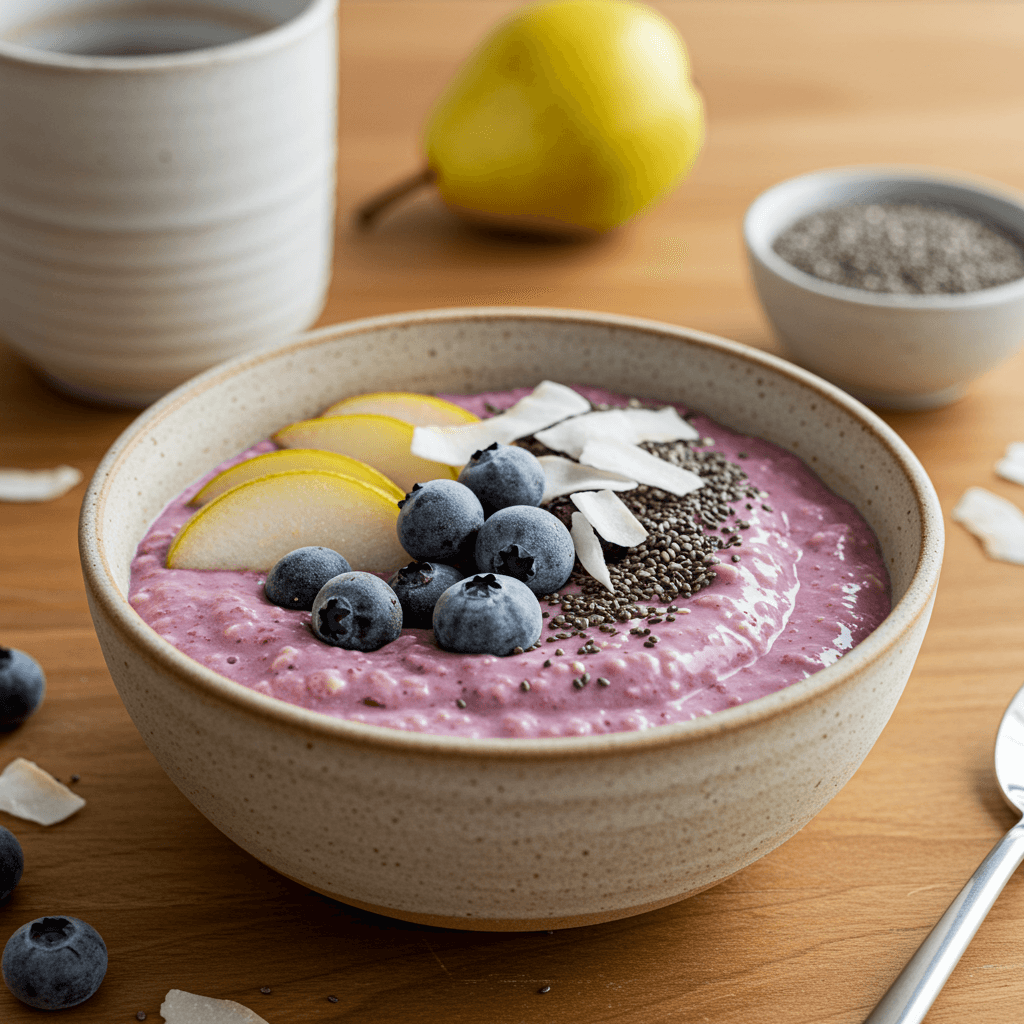
- Peeled Fruits: Pears (especially peeled Golden Delicious apples), bananas. [3]
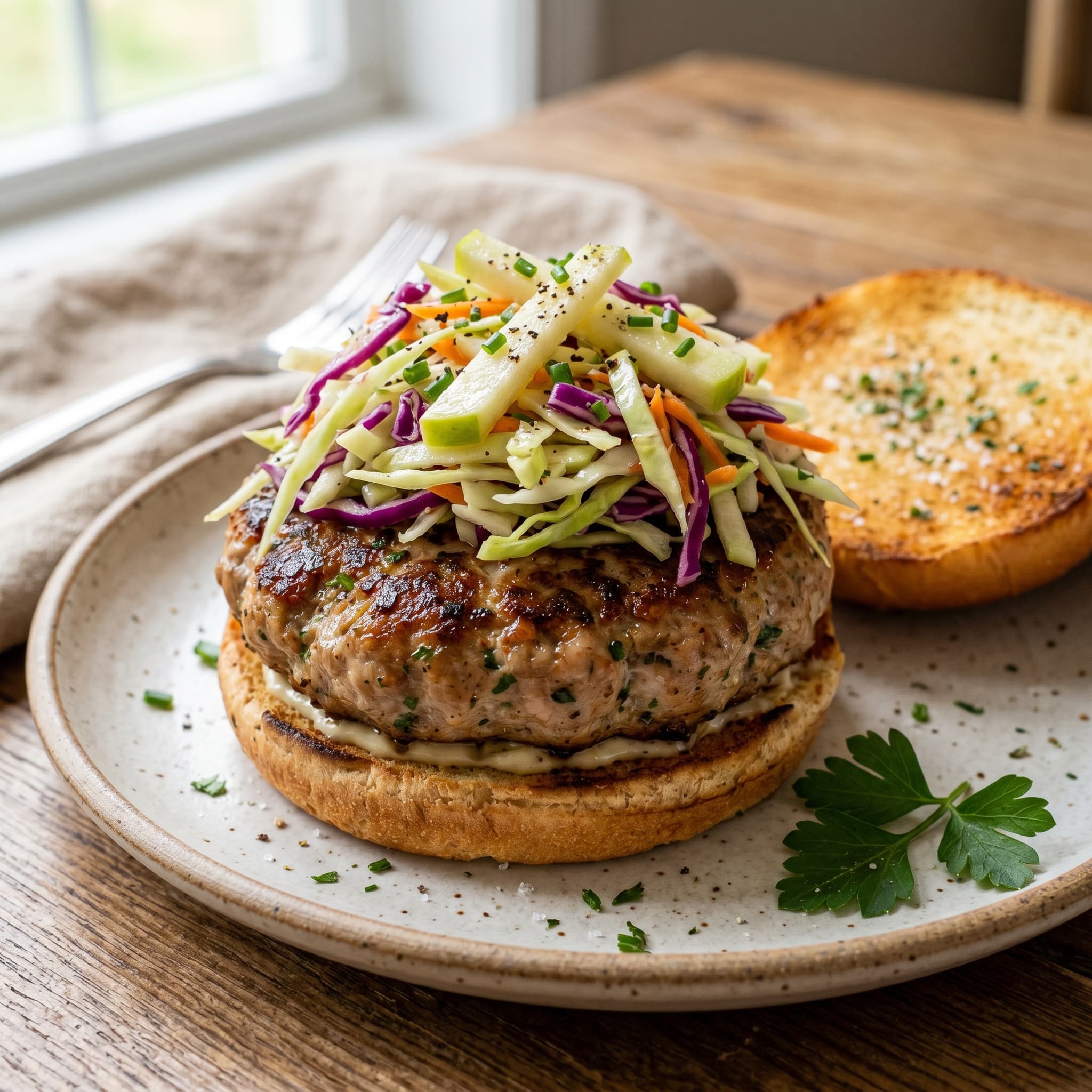
- Vegetables: Cabbage, celery, leeks, potatoes, rutabaga. [3]
- Fats: Sunflower oil, safflower oil, butter. [3]
- Proteins: Fresh meats and fish like haddock, eggs, plain dairy (if tolerated).
- Grains: Sourdough bread, rice.
You might be surprised by how many delicious meals you can create! For example, our Comforting Low-Salicylate Turkey Stroganoff with Gluten-Free Fettuccine is a rich, creamy dinner that swaps out high-salicylate spices without losing flavor. Or, for something simple and fresh, try our Steamed Haddock with Chive Butter, a light, low-salicylate protein you can pull together on a busy weeknight. And for something cozy and warming, our Poached Cod with Aromatic Leek and Yam Soup shows how comforting a low-salicylate soup can still be.
Remember, preparation matters! Peeling fruits and vegetables can often reduce their salicylate content, as salicylates are concentrated in the skin. [2]
Embracing a Low-Histamine Lifestyle
If histamine is your main concern, the emphasis shifts to freshness and avoiding fermentation. You'll lean into:
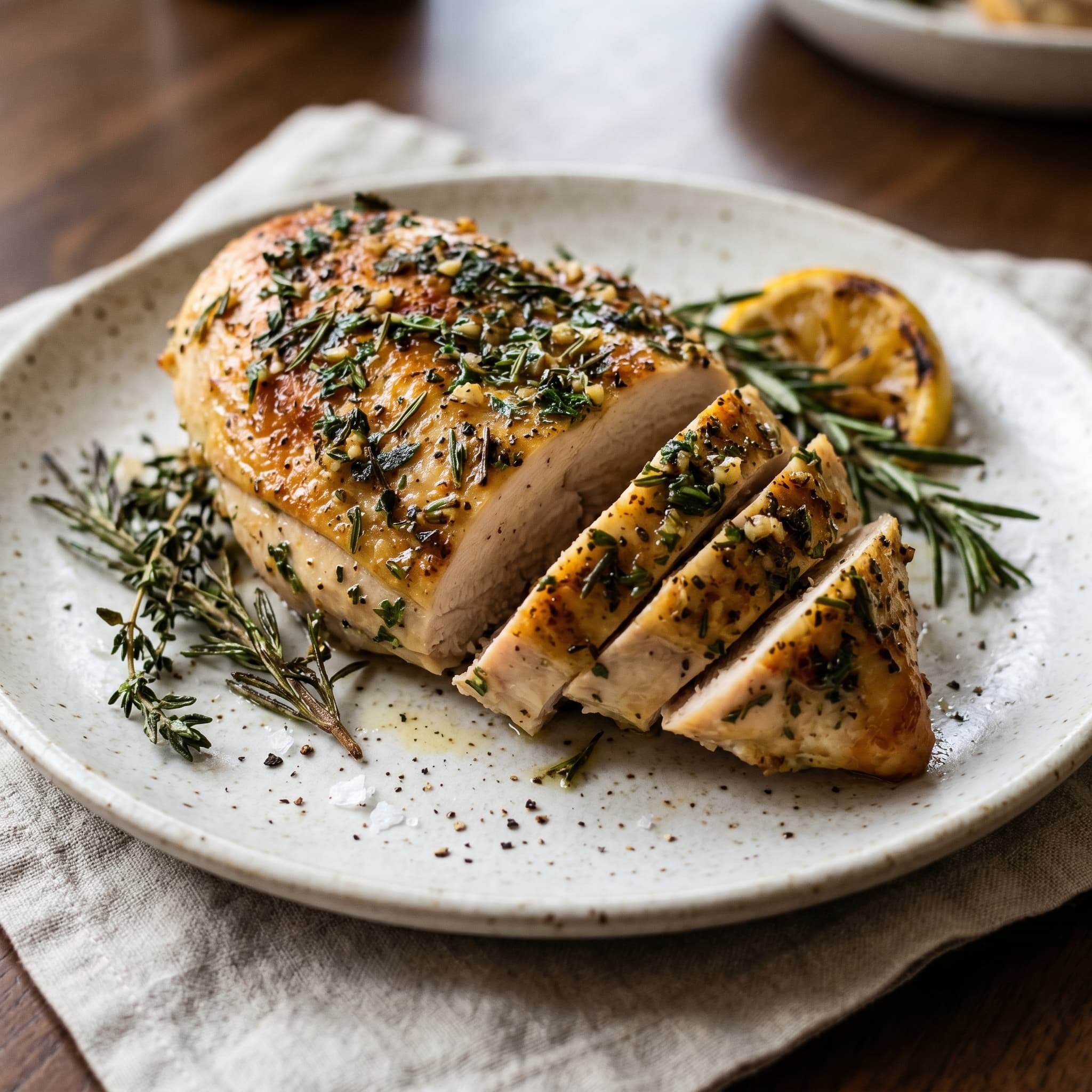
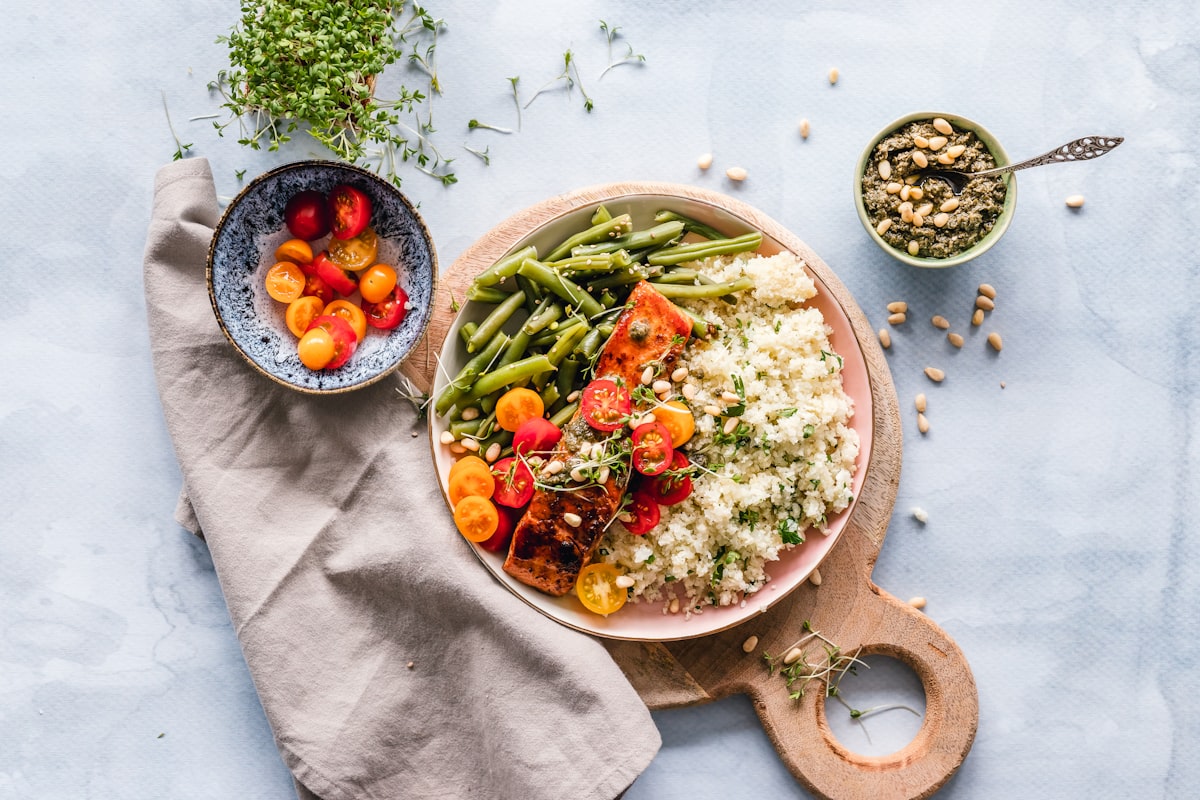
- Fresh Proteins: Freshly caught or flash-frozen fish (like salmon), fresh chicken, beef, lamb.
- Fresh Fruits: Blueberries, apples, mangoes, grapes. [3]
- Fresh Vegetables: Broccoli, cauliflower, carrots, asparagus, bell peppers (not red), zucchini. [3]
- Fats: Extra virgin olive oil (freshly opened), coconut oil. [3]
The key is to eat food as soon as it's prepared and to be mindful of how ingredients are processed. Cooking at home from scratch becomes a wonderful way to control histamine levels.
Adapting the Mediterranean Diet for Your Needs
At GentleFeast, we're passionate about the health benefits of the Mediterranean diet. While traditionally rich in things like tomatoes, olive oil, and aged cheeses — which can be high in salicylates and histamines — we believe in adapting its core principles. We focus on fresh, seasonal ingredients, healthy fats, lean proteins, and plenty of vegetables, making adjustments to suit your specific sensitivities. This way, you don't have to miss out on the flavors and wellness benefits of this eating style.
Finding out what truly nourishes your body and what triggers discomfort is a journey, not a race. You're doing real work by listening to your body and seeking answers. Remember, clarity is within reach, and you can find delicious, satisfying ways to eat that make you feel good. Take that first step: start a simple food journal today. You've got this!
Last reviewed: 2026-09-01
Which foods are behind your symptoms?
A free 60-second check to help you narrow it down — plus recipes matched to what works for your body.
Find my food triggers