Smart Savings, Great Taste: Budget-Friendly Cooking Strategies for Multiple Food Tolerances
Navigating food intolerances on a budget can feel overwhelming, but it doesn't have to be! I'll show you how smart shopping, meal prep, and creative seasoning can make delicious, safe eating affordable.
Smart Savings, Great Taste: Budget-Friendly Cooking Strategies for Multiple Food Tolerances
Navigating food intolerances can feel like a full-time job, can't it? You're constantly checking labels, asking questions, and sometimes, it feels like every "safe" option comes with a hefty price tag. It's truly frustrating when you just want to eat well without breaking the bank or feeling unwell.
I completely understand that struggle. The good news is, eating well with food intolerances doesn't have to empty your wallet! With a few smart strategies, you can enjoy delicious, nourishing meals that respect your body and your budget. Let's dive into how you can make your kitchen a place of empowerment and affordability, even with multiple food intolerances.
The Hidden Cost of Food Intolerances (and How to Beat It)
You've probably noticed that "free-from" products often cost more. Gluten-free bread, dairy-free alternatives, special sauces – they all add up, don't they? And when you're dealing with *multiple* intolerances, like low histamine, low salicylate, and maybe even low sulfur, the grocery bill can feel overwhelming.
The truth is, processed foods, even the "healthy" ones, are often where hidden ingredients and higher prices lurk. But here's the hopeful pivot: by shifting your focus to cooking more at home with whole, unprocessed ingredients, you'll naturally save money and have more control over what goes into your food. It's a win-win for your health and your finances!
Your Kitchen, Your Powerhouse: Budget-Friendly Cooking for Food Intolerances
Let's turn your kitchen into a hub of delicious, affordable, and safe eating. It's all about strategic planning and making smart choices that work for your unique needs. This isn't about deprivation; it's about smart empowerment!
Embrace Whole, Unprocessed Foods
This is probably the biggest game-changer for budget cooking food intolerances. When you focus on ingredients that are as close to their natural state as possible, you're avoiding all those added sugars, preservatives, and mystery ingredients that can trigger symptoms and inflate prices. Think about it: a bag of potatoes is almost always cheaper than a box of gluten-free, dairy-free potato gratin.
- Fresh fruits and vegetables: These are your best friends. They're naturally free from most common allergens and intolerances.
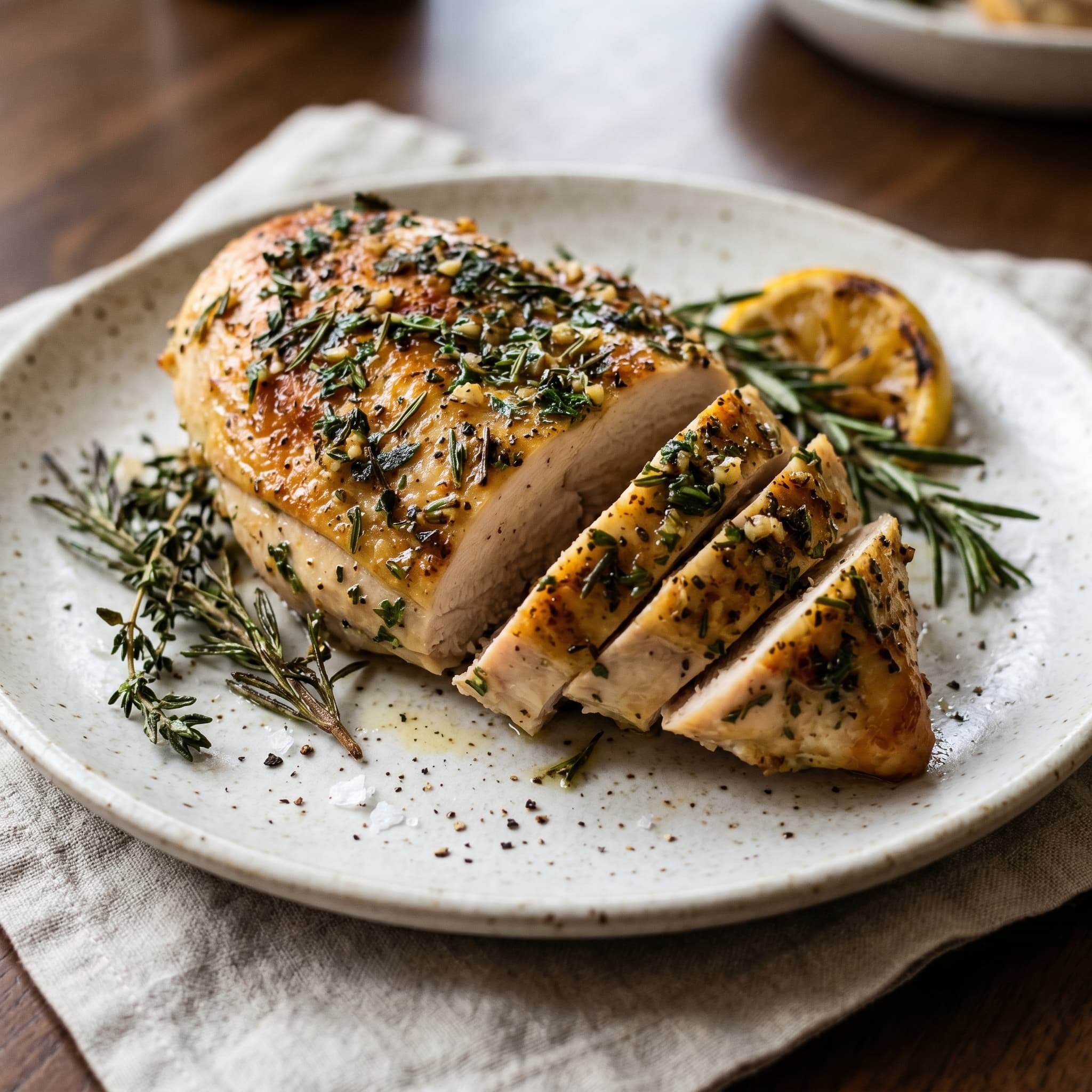
- Plain proteins: Unseasoned chicken, pork, beef, or fish are versatile and allow you to control the seasonings.
- Simple grains: Rice, quinoa (if tolerated), and oats are usually inexpensive staples.
Smart Shopping: Make Your Dollar Go Further
Shopping with intolerances requires a bit of detective work, but it doesn't have to be expensive. With a plan, you can stretch your grocery budget further than you'd think.
- Shop seasonally: Produce that's in season is usually cheaper and tastes better. Check local farmers' markets for good deals!
- Frozen is your friend: Don't shy away from frozen fruits and vegetables. They're often picked at peak freshness and frozen immediately, locking in nutrients and flavor. They're also super convenient and reduce waste, which saves you money in the long run. Research out of Monash University has even shown that some frozen vegetables can retain more nutrients than their "fresh" counterparts that have traveled long distances.
- Buy plain and season yourself: This is a golden rule, especially if you're sensitive to ingredients like onion or garlic. Store-bought broths, sauces, and seasoned meats almost always contain hidden triggers. Buying plain ingredients allows you to control *everything* that goes in.
- Read every label, every time: I know, I know, it's tedious, but it's essential! Garlic and onion, for example, are hidden in so many seasonings, broths, and sauces. Even dried fruits can contain sulfites, so look for "unsulfured" versions if that's a concern for you.
Meal Prep Magic: Cook Once, Eat Many Times
Meal prepping is *the* secret weapon for budget cooking food intolerances. It saves time, reduces food waste, and prevents those expensive last-minute takeout decisions when you're tired and hungry.
- Batch cook proteins and grains: Cook a big batch of chicken, pork, or even a large pot of rice or potatoes on the weekend. Portion them out for quick meals during the week. You can freeze cooked rice in bulk for easy reheating, too.
- Prepare vegetables ahead: Chop your safe vegetables on Sunday so they're ready to throw into meals.
- Make your own sauces and broths: Store-bought options are often full of triggers and pricey. You can easily make large batches of safe sauces, like a simple herb oil or a coconut aminos glaze, and store them in the fridge or freeze them in smaller portions. Homemade bone broth, if tolerated, can be frozen immediately in individual servings for a quick, nourishing base.
Flavor on a Budget: Making Every Dish Delicious for Your Intolerances
One of the biggest complaints I hear is, "I'm bored with the limited ingredients!" It's a valid feeling, but I promise you, you can create incredibly flavorful meals without relying on common triggers or expensive specialty items. It's all about getting creative with herbs, spices, and cooking techniques.
Herb Heroes: Your Flavorful Friends
Fresh herbs are vibrant, add incredible depth, and are often overlooked. They're a fantastic way to add flavor without relying on onion, garlic, or other common irritants.
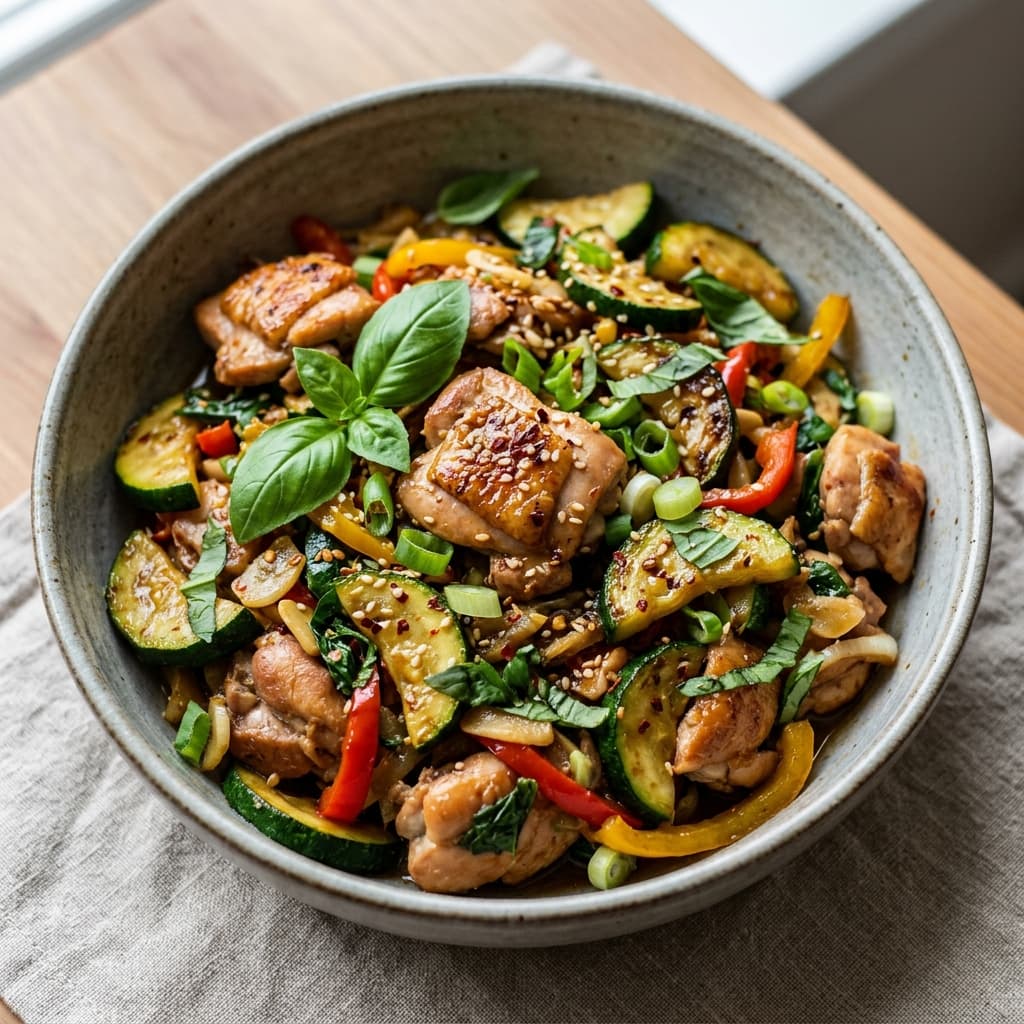
- Basil: Sweet, slightly peppery – wonderful with chicken, fish, and vegetables.
- Rosemary: Piney, earthy – great with lamb, pork, and potatoes.
- Thyme: Earthy, subtle – pairs well with almost any protein and vegetable.
- Dill: Fresh, grassy – lovely with fish, eggs, and cucumbers.
- Mint: Cool, refreshing – try it with lamb, peas, or fruit.
- Cilantro: Bright, citrusy – perfect for Asian-inspired dishes or tacos.
- Parsley: Fresh, clean – truly goes with everything.
- Chives: Offer a mild onion-like flavor without the intensity of actual onion.
Umami Unlocked (Without the Usual Suspects)
Umami is that savory, satisfying depth of flavor we often crave. You don't need fermented foods or high-histamine ingredients to get it!
- Coconut aminos: This is a brilliant soy sauce alternative that adds a lovely umami kick to your dishes.
- Roasted vegetables: The caramelization that happens when you roast vegetables creates amazing depth and sweetness. Don't underestimate the power of a perfectly roasted potato or carrot!
- Browned butter: A simple technique that adds a nutty, rich flavor to sauces and vegetables.
- Quality olive oil: A good olive oil adds fruity, peppery notes that elevate a dish.
- Mushroom powder: If you tolerate mushrooms, a little mushroom powder can add a fantastic savory punch.
Clever Swaps for Common Triggers
You don't have to miss out on flavor just because you're avoiding certain ingredients. There are always delicious alternatives!
- Ginger and celery for onion and garlic: If onion and garlic are issues (common for low sulfur or FODMAP sensitivities), try a base of fresh ginger and celery instead. It creates a wonderful aromatic foundation.
- Herb butter for garlic bread: Instead of garlic bread, try making a simple herb butter with fresh parsley or chives.
- Mango salsa (no onion): Craving salsa? A fresh mango salsa without onion can be a vibrant, safe alternative.
Practical Takeaways: Simple Recipes for Budget-Friendly, Intolerance-Safe Meals
Let's put these strategies into action! Here are a few GentleFeast recipe ideas that are not only delicious and safe for various intolerances but also rely on budget-friendly ingredients.
Baked Chicken Thighs with Mashed Potatoes
This is a classic American comfort meal that's naturally low in histamine and salicylate. Chicken thighs are often more affordable than breasts, and potatoes are a budget staple. Our Baked Chicken Thighs with Mashed Potatoes recipe keeps it simple and satisfying, using just chicken thighs, russet potatoes, butter, milk, and salt. It's proof that nourishing, safe eating can be incredibly straightforward.
German-Style Pork and Root Vegetable Stew
Stews are fantastic for budget cooking food intolerances because they make a little meat go a long way, and root vegetables are generally inexpensive and hearty. Our German-Style Pork and Root Vegetable Stew is safe for low salicylate diets and embraces ingredients like pork tenderloin, potatoes, celery, green beans, and rutabaga. It's a warming, flavorful meal that's perfect for batch cooking and freezing.
Beef & Potato Hash
Another excellent option that uses affordable ingredients and is great for meal prepping. Our Beef & Potato Hash recipe is low salicylate and features red meat and russet potatoes, seasoned simply with green onions and salt. It's a robust dish that proves you don't need a lot of fancy ingredients to create a truly satisfying meal.
These recipes highlight how focusing on whole, simple ingredients like various proteins and root vegetables can create delicious, safe, and budget-friendly meals. They're wonderful examples of how you can adapt familiar favorites to fit your intolerance needs without compromising on flavor or your wallet.
You've Got This!
Navigating food intolerances on a budget can feel like a mountain, but I hope you're seeing that it's actually a series of small, manageable hills. Every time you choose a whole ingredient, make a smart swap, or batch cook a meal, you're building confidence and saving money. Remember, your journey to feeling better and eating well is a marathon, not a sprint, and every step counts.
So, let's take one small step today: pick one new herb to experiment with this week. You'll be amazed at the fresh flavor it brings to your safe meals!
Which foods are behind your symptoms?
A free 60-second check to help you narrow it down — plus recipes matched to what works for your body.
Find my food triggers