The Low FODMAP Mediterranean Kitchen: Adapting Classic Dishes for Gut Health
Discover how to blend the gut-friendly low FODMAP diet with the delicious Mediterranean eating style. I'll show you how to adapt classic dishes for your sensitive tummy and enjoy vibrant, wholesome meals.
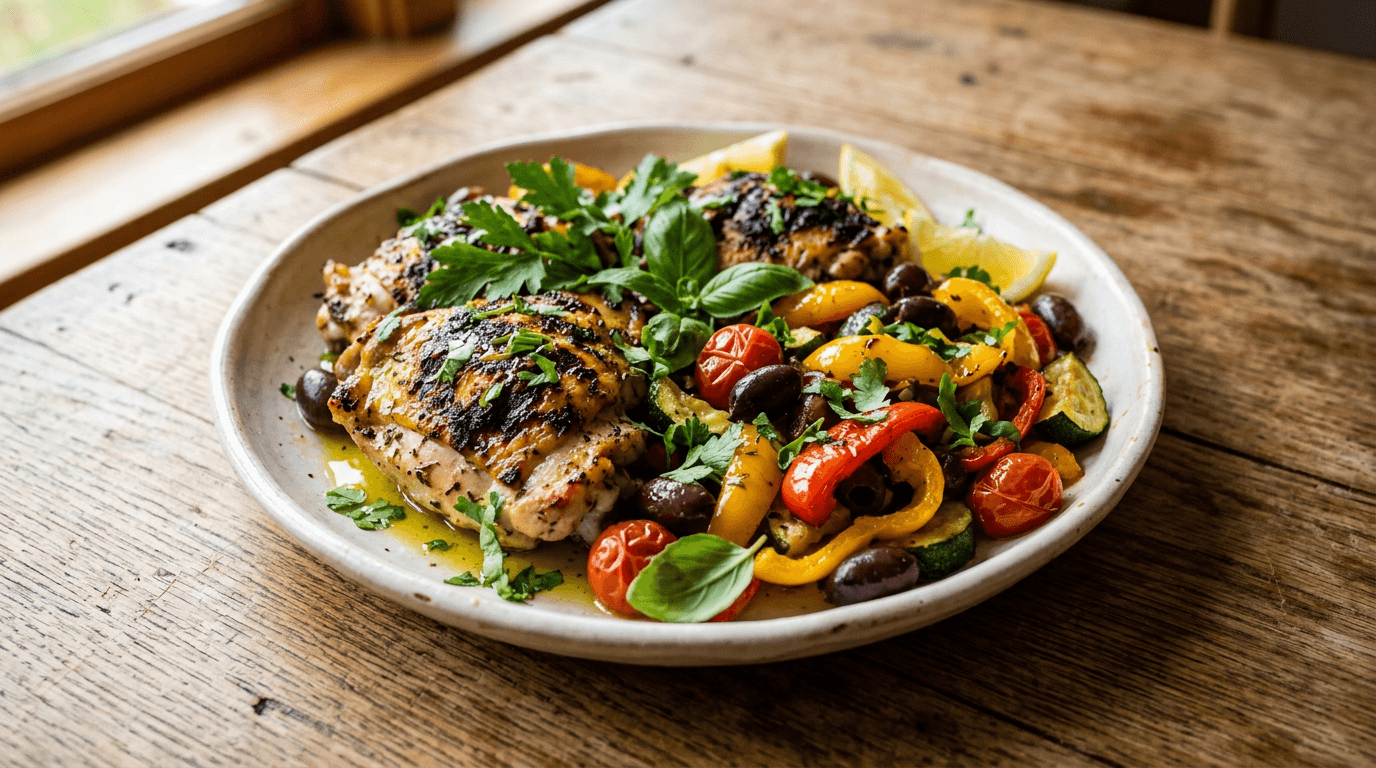
The Low FODMAP Mediterranean Kitchen: Adapting Classic Dishes for Gut Health
Oh, how frustrating it can be when your gut just doesn't cooperate, isn't it? You want to eat healthily, enjoy delicious food, but every meal feels like a gamble. You've heard about the incredible benefits of the Mediterranean diet, and maybe you're also exploring a low FODMAP approach for your sensitive tummy. It can feel like these two worlds are miles apart, but I promise you, they're not! You can enjoy the vibrant, gut-friendly flavors of the Mediterranean, even while keeping FODMAPs low. Let me show you how to bring these two amazing eating styles together in your kitchen.
What's the Fuss About FODMAPs and the Mediterranean Way?
You've probably heard a lot about both the low FODMAP diet and the Mediterranean diet, and for really good reasons! The Mediterranean way of eating isn't really a "diet" in the restrictive sense; it's a beautiful lifestyle centered around fresh, whole foods, healthy fats, lean proteins, and lots of plants. It's renowned for supporting heart health, brain function, and just generally helping you feel fantastic. Think olive oil, fish, fruits, veggies, whole grains, and a sprinkle of herbs. It's all about enjoying food and life!
Now, the low FODMAP approach is a little different. It's a temporary elimination diet often recommended by doctors and dietitians to help folks with irritable bowel syndrome (IBS) figure out what foods might be triggering their symptoms. FODMAPs are specific types of carbohydrates that can be poorly absorbed in some people's guts, leading to gas, bloating, and discomfort. The good news is, it's not meant to be forever. It's about discovering your personal triggers so you can slowly reintroduce foods and enjoy a wider variety again. But how do we marry these two? That's what we're going to explore!
Your Low FODMAP Mediterranean Pantry Staples
Building a delicious low FODMAP Mediterranean kitchen starts with your pantry. You'll be surprised how many traditional Mediterranean ingredients are naturally low in FODMAPs, or have easy low FODMAP swaps. Let's get those shelves stocked!
Grains and Starches
The Mediterranean diet loves its grains, and we can definitely find some tummy-friendly options here.
- Quinoa: This ancient grain is a fantastic low FODMAP choice and packed with protein. It's great in salads, as a side dish, or even for breakfast.
- Rice: Brown rice, white rice, basmati – all low FODMAP and super versatile.
- Gluten-free oats: Perfect for a warm breakfast porridge. Just make sure they're certified gluten-free if you're sensitive to cross-contamination.
- Polenta (corn grits): A comforting and naturally gluten-free option.
- Sourdough bread: Traditional sourdough, when made with a long fermentation process, can often be low FODMAP because the yeast "eats" many of the FODMAPs. Always test your personal tolerance!
- Gluten-free pasta: There are so many great options now that hold up well in Mediterranean dishes.
Proteins
Lean proteins are a cornerstone of both diets, and we've got plenty of delicious choices.
- Fish and seafood: Salmon, tuna, cod, shrimp, mussels – all excellent sources of healthy fats and protein, and naturally low FODMAP. Aim for at least two servings a week!
- Chicken and turkey: Lean poultry is always a good choice.
- Eggs: Versatile and easy to digest for most.
- Low FODMAP legumes (in moderation): Canned lentils (rinsed well) and chickpeas (rinsed well) can be enjoyed in smaller portions. Research out of Monash University has really helped us understand these portion sizes, so check their app!
- Firm tofu: A wonderful plant-based protein that's low FODMAP.
Healthy Fats
These are absolutely essential for flavor and nutrition in the Mediterranean diet.
- Extra virgin olive oil: Your best friend in the kitchen! Use it for cooking, drizzling, and dressing. It's rich in antioxidants and healthy fats.
- Olives: Black, green, Kalamata – all low FODMAP and bursting with flavor.
- Nuts and seeds (in moderation): Walnuts, almonds (small portions), pumpkin seeds, sunflower seeds, pine nuts. They add a lovely crunch and healthy fats.
Herbs and Spices
This is where we really bring the Mediterranean magic without relying on high-FODMAP aromatics like onion and garlic.
- Fresh herbs: Basil, oregano, thyme, rosemary, parsley, mint, chives (the green parts) – these are your flavor powerhouses!
- Dried spices: Paprika, turmeric, cumin, coriander, black pepper, red pepper flakes.
- Garlic-infused olive oil: This is a game-changer! The FODMAPs in garlic are water-soluble, not oil-soluble, so you get all that wonderful garlic flavor without the gut distress. Just make sure it's infused oil, not oil with garlic pieces still in it.
- Scallion greens: The green parts of spring onions are low FODMAP and can add a lovely oniony kick.
Mastering Low FODMAP Mediterranean Cooking Techniques
Now that your pantry is stocked, let's talk about how to cook up some incredible low FODMAP Mediterranean recipes. It's all about smart swaps and leaning into naturally delicious ingredients.
Sautéing and Roasting with Flavor
You might be thinking, "But how do I get flavor without onion and garlic?" This is where your new best friends come in:
- Garlic-infused olive oil: Start your sautéing with this! It provides a fantastic aromatic base.
- Scallion greens and chives: Add these towards the end of cooking for a fresh, mild oniony flavor.
- Herbs, herbs, herbs! Don't be shy with fresh or dried herbs. Rosemary and thyme are amazing with roasted vegetables and chicken. Basil and oregano are perfect for tomato-based sauces.
- Lemon zest and juice: Brightens everything up and adds a wonderful zing.
- Smoked paprika: Gives a lovely depth and smokiness to dishes.
Try roasting a medley of low FODMAP vegetables like zucchini, bell peppers (red and yellow are often better tolerated than green), eggplant, and carrots with olive oil, rosemary, thyme, salt, and pepper. It's simple, flavorful, and so satisfying.
Building Broths and Sauces
Broths and sauces are often where hidden FODMAPs lurk, but we can easily adapt them.
- Homemade broth: If you're making your own chicken or vegetable broth, simply omit the onion and garlic. Use carrots, celery (small amounts are fine), parsley, peppercorns, and bay leaves for flavor.
- Canned tomatoes: Crushed, diced, or pureed tomatoes are generally low FODMAP. Just check the labels for added high-FODMAP ingredients like onion powder or garlic powder.
- Tomato paste: A concentrated burst of tomato flavor, usually low FODMAP.
- Feta cheese: A salty, tangy addition to many Mediterranean dishes that's low in lactose and typically well-tolerated.
- Lactose-free yogurt: Can be used to make creamy sauces or dressings.
For a simple tomato sauce, sauté some red bell pepper and carrots in garlic-infused olive oil until soft. Add canned crushed tomatoes, a dollop of tomato paste, fresh basil, oregano, salt, and pepper. Simmer gently, and you've got a delicious, gut-friendly sauce for pasta, fish, or chicken.
Smart Ingredient Swaps
This is where your creativity shines!
- Instead of regular bread: Try sourdough or gluten-free bread for dipping in olive oil.
- Instead of onion: Use the green tops of scallions, chives, or garlic-infused olive oil.
- Instead of garlic: Rely on garlic-infused olive oil.
- Instead of high-FODMAP beans: Use well-rinsed canned lentils or chickpeas in smaller portions, or stick to firm tofu.
- Instead of creamy dairy sauces: Use lactose-free yogurt or a cashew-based cream (cashews in small portions are low FODMAP).
Low FODMAP Mediterranean Recipes: Delicious Dishes You'll Love
You're probably itching for some concrete low FODMAP Mediterranean recipes now, aren't you? Here are some ideas to get you started, proving that this way of eating is anything but restrictive!
Breakfast Ideas
Start your day with something nourishing and tasty.
- Mediterranean Scramble: Scrambled eggs with sautéed spinach, diced red bell pepper, a sprinkle of feta, and fresh parsley. Serve with a slice of toasted sourdough.
- Quinoa Porridge: Cooked quinoa with lactose-free milk, a touch of maple syrup, and topped with a few berries (strawberries, blueberries) and pumpkin seeds.
- Yogurt Bowl: Lactose-free Greek yogurt with a drizzle of maple syrup, a few walnuts, and sliced cantaloupe or orange segments.
Lunch and Dinner Stars
These are the meals where the Mediterranean flavors truly shine.
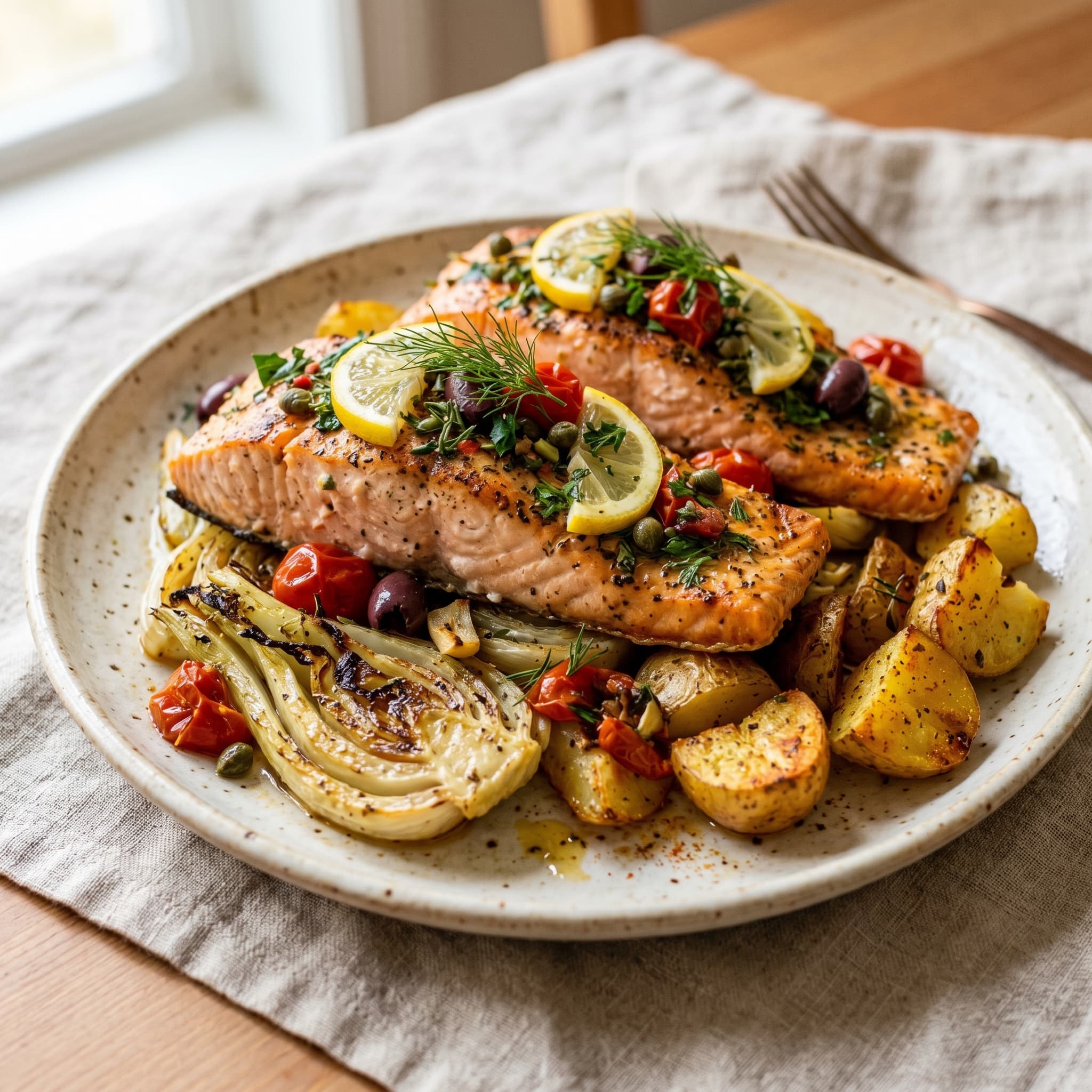
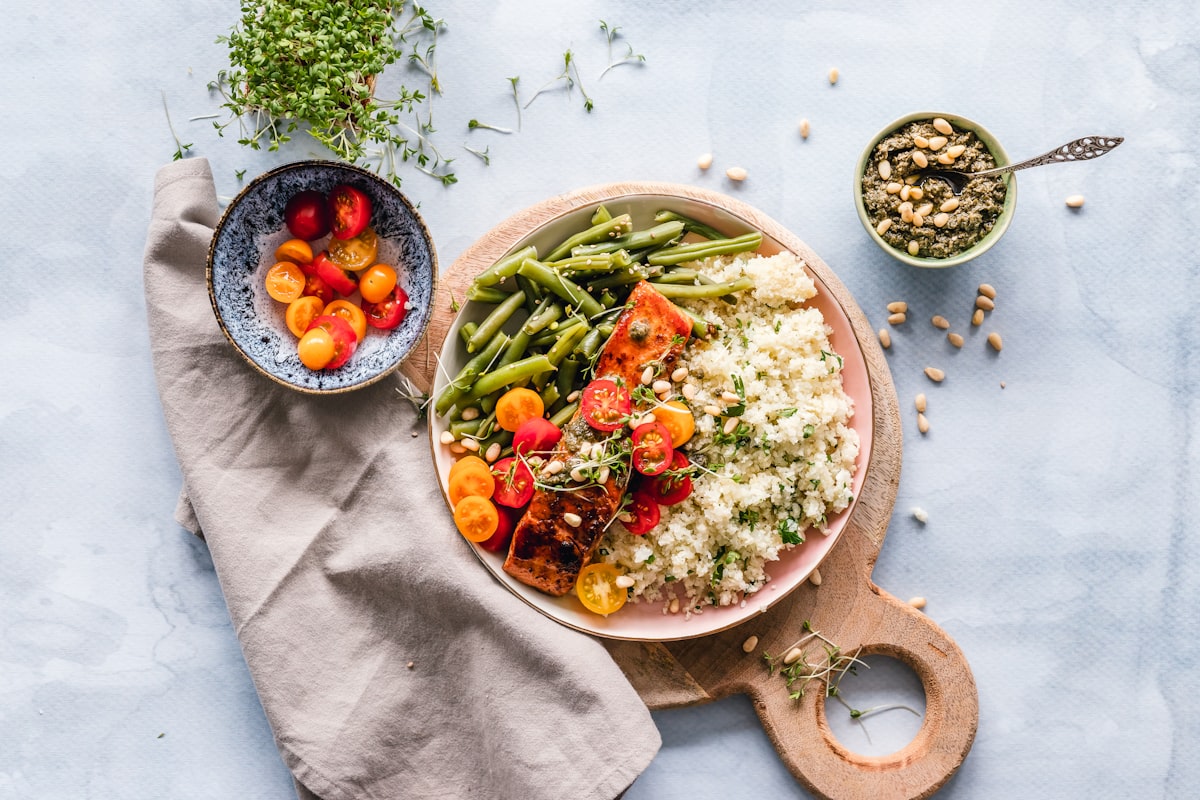
- Baked Salmon with Roasted Vegetables: A sheet pan wonder! Toss salmon fillets with olive oil, lemon, salt, and pepper. Roast alongside zucchini, eggplant, red bell pepper, and cherry tomatoes (all tossed in garlic-infused olive oil and herbs like oregano and thyme).
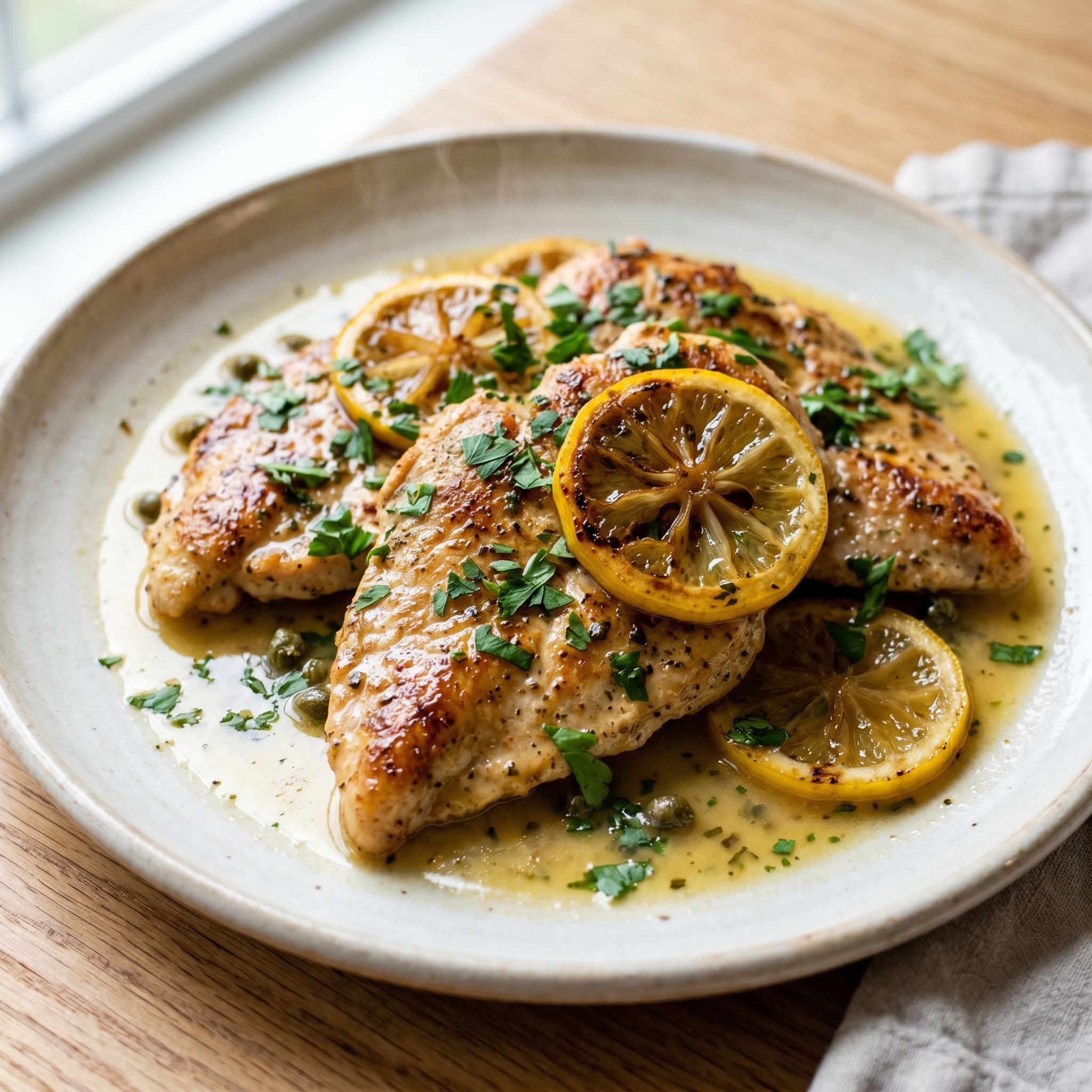
- Chicken and Quinoa Salad: Grilled chicken breast (marinated in lemon and herbs) sliced over a bed of quinoa, mixed with cucumber, Kalamata olives, diced red bell pepper, and a lemon-olive oil dressing.
- Mediterranean Rice Bowl: Brown rice topped with firm tofu (marinated and pan-fried), roasted carrots and spinach, a spoonful of well-rinsed canned lentils (if tolerated), and a dressing made from lactose-free yogurt, lemon, and dill.
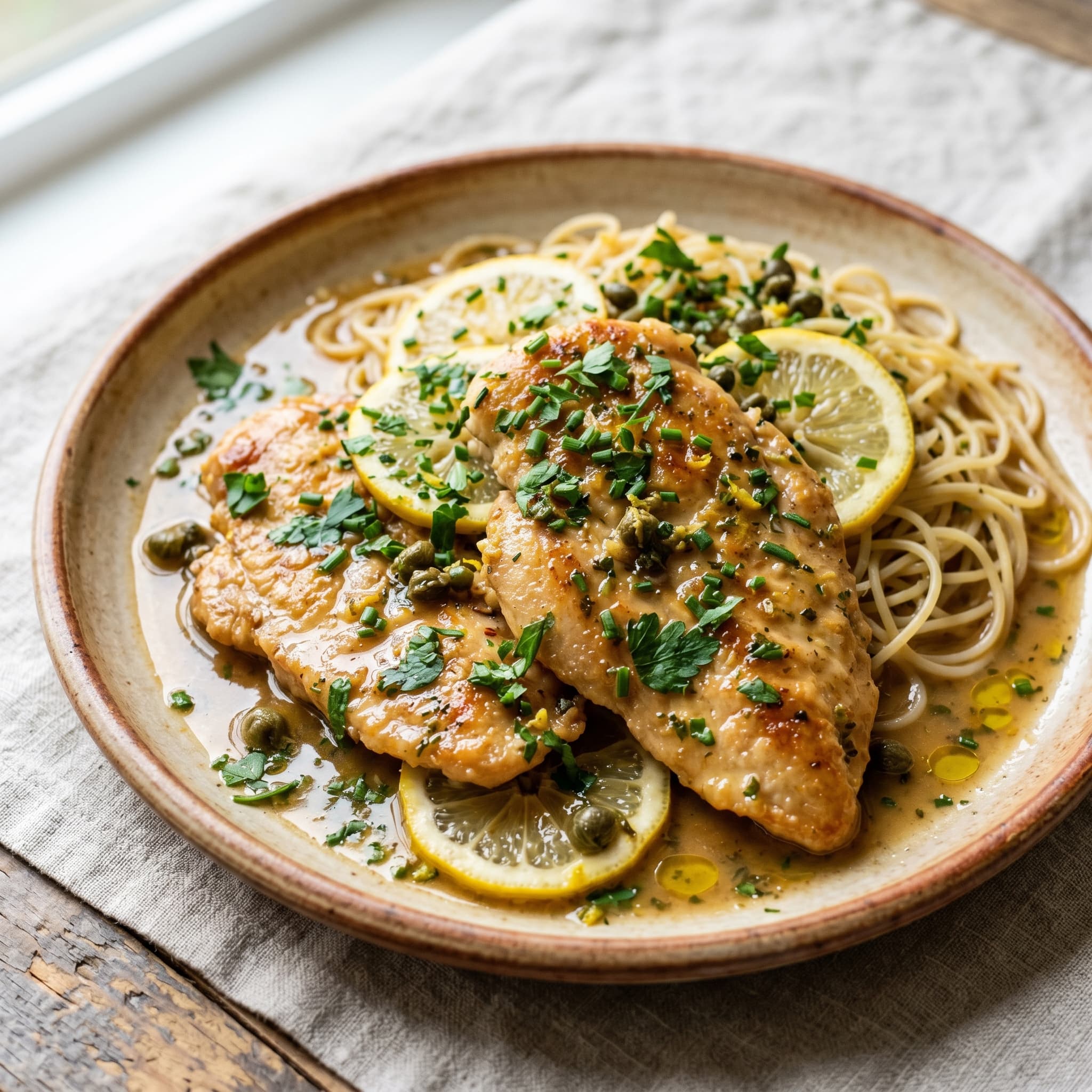
- Shrimp with Gluten-Free Pasta: Sauté shrimp in garlic-infused olive oil with red pepper flakes. Add cherry tomatoes and fresh basil. Toss with gluten-free spaghetti.
- Stuffed Bell Peppers: Halved red bell peppers filled with a mixture of cooked brown rice, ground turkey or lamb, diced zucchini, fresh mint, and a little tomato paste. Bake until tender.
Snack Sensations
Keep those hunger pangs at bay with simple, satisfying options.
- Olives and Feta: A small bowl of mixed olives and a few cubes of feta.
- Rice Cakes with Toppings: Rice cakes topped with a thin layer of lactose-free cream cheese and cucumber slices, or a small amount of peanut butter (check for low FODMAP brands) and banana slices.
- Handful of Nuts: A small portion of almonds, walnuts, or pumpkin seeds.
- Fresh Fruit: Oranges, grapes, strawberries, blueberries, cantaloupe – all great low FODMAP choices.
Making it Your Own: Personalizing Your Plate
Remember, the low FODMAP diet is all about you. While I've given you a wonderful foundation for low FODMAP Mediterranean recipes, your personal tolerance is the ultimate guide.
- Listen to your body: Pay close attention to how you feel after eating certain foods. Keep a food diary if that helps you connect the dots.
- Reintroduction is key: Once you've completed the elimination phase, work with a dietitian to slowly reintroduce FODMAPs. This is how you discover your specific triggers and portion sizes. You might find you can tolerate small amounts of garlic or onion, or specific types of beans! The research is still evolving, but we're learning more and more about individual thresholds.
- Don't be afraid to experiment: Food should be enjoyable! Try new combinations, play with different herbs, and discover what truly makes your gut happy and your taste buds sing. This journey is yours, and it's a wonderfully personal one.
You see? Eating delicious, gut-friendly food doesn't have to be complicated or boring. The Mediterranean diet and a low FODMAP approach can absolutely dance beautifully together in your kitchen. You're not just managing symptoms; you're nourishing your body with vibrant, wholesome foods that celebrate flavor and tradition. It's a journey of discovery, and you're doing great! Why not pick one new low FODMAP Mediterranean recipe from our list to try this week? I bet you'll love it!
Which foods are behind your symptoms?
A free 60-second check to help you narrow it down — plus recipes matched to what works for your body.
Find my food triggers