Beyond the Basics: Navigating Common Challenges and Nuances of the Low FODMAP Diet
Feeling stuck on your low FODMAP journey? I'm diving into common challenges, like SIBO and the gut-brain connection, and sharing practical tips to help you find more relief and joy in your meals.
Beyond the Basics: Navigating Common Challenges and Nuances of the Low FODMAP Diet
Dealing with digestive issues like IBS can feel incredibly isolating and frustrating, can't it? You've likely heard about the low FODMAP diet, or maybe you've even tried it, hoping for some much-needed relief. It's truly a game-changer for so many, but sometimes, it doesn't quite clear up all our symptoms, leaving us wondering what else we can do. I totally get that feeling of being stuck!
The good news is, you're not alone in these challenges, and there are always more layers to explore. Let's dive a little deeper together into the nuances of this approach, look at some common hurdles, and discover how you can find even more comfort and clarity on your journey.
Understanding the "Why": How FODMAPs Affect Your Gut
First, let's quickly recap what FODMAPs are all about. They're specific types of short-chain carbohydrates that can be tricky for some sensitive guts to digest. When we eat foods high in these compounds, they can draw extra water into our intestines and then get rapidly fermented by gut bacteria, causing gas, bloating, pain, and changes in bowel habits. It's not fun, is it?
The low FODMAP diet, pioneered by researchers at Monash University, works by temporarily limiting these fermentable carbohydrates. This gives your gut a chance to calm down and helps you identify which specific FODMAP groups might be triggering your symptoms. It's a fantastic tool, but it's important to remember it's usually a diagnostic process, not a lifelong restriction.
When Low FODMAP Isn't Enough: Exploring Other Possibilities
You've been diligently following a low FODMAP plan for your IBS symptoms, but you're still not feeling 100%? Or maybe you've found some relief, but things just aren't quite settled. This is a really common experience, and it's a sign that we might need to look beyond just FODMAPs. Let's explore some other conditions that could be playing a role in your digestive discomfort.
Could it be SIBO?
One significant factor that often goes hand-in-hand with IBS symptoms, and can make even a strict low FODMAP diet feel less effective, is Small Intestinal Bacterial Overgrowth (SIBO). This happens when bacteria that normally live in your large intestine decide to set up shop in your small intestine instead. These misplaced bacteria then get to work fermenting carbohydrates (like FODMAPs) much earlier in your digestive tract, leading to a whole lot of gas and discomfort.
The low FODMAP diet can definitely help reduce SIBO symptoms by starving these bacteria of their favorite foods, which is why it's often a part of the management plan. However, diet alone usually doesn't cure SIBO. Treatment often involves antibiotics, like rifaximin, followed by careful dietary management. The Cleveland Clinic even recommends limiting the low FODMAP elimination phase to 2-6 weeks for SIBO patients, as it can help decrease abnormally high levels of intestinal bacteria.
When should you suspect SIBO? If you're finding that a low FODMAP diet provides some relief but your symptoms persist, or if they worsen quickly after you stop the elimination phase, it's worth a conversation with your doctor. A history of food poisoning, abdominal surgery, or conditions affecting gut motility can also increase your risk.
The Gut-Brain Connection
Our gut and brain are in constant communication, sending signals back and forth like a super-fast highway. This incredible connection means that stress, anxiety, and other psychological factors can directly impact how our gut functions and how sensitive it feels. You're not imagining things if your stress levels seem to make your IBS symptoms worse; there's a real physiological link!
If you've been working on your diet but still struggling with persistent symptoms, exploring the gut-brain connection can be incredibly powerful. Options like gut-directed hypnotherapy have shown impressive improvement rates for IBS patients, sometimes as high as 70-80%. Cognitive behavioral therapy (CBT) for IBS, stress management techniques, and mindfulness practices can also make a huge difference. Even Monash University is exploring gut-directed hypnotherapy alongside dietary approaches, recognizing its importance.
Ruling Out Other Conditions
Before fully committing to the idea that your digestive woes are *just* IBS, it's really important to make sure other conditions aren't at play. Sometimes, symptoms can overlap, and it's always best to rule out other possibilities with your healthcare team:
- Celiac Disease: This isn't about FODMAPs at all; it's an immune reaction to gluten protein. It's diagnosed with a blood antibody test and often a biopsy.
- Inflammatory Bowel Disease (IBD): Conditions like Crohn's disease and ulcerative colitis involve inflammation in the digestive tract. These are typically diagnosed through procedures like a colonoscopy and imaging.
Your doctor can help you determine if any of these tests are right for you. It's all about getting the clearest picture of what's happening in *your* body.
Mastering the Low FODMAP Elimination Phase (and Beyond)
Okay, so you've got a better understanding of the low FODMAP diet and other potential factors. Now, let's talk about making the diet itself work for you. The elimination phase is where you temporarily remove high-FODMAP foods to see if your symptoms improve. It usually lasts between 2-6 weeks, and it's not meant to be a permanent way of eating.
Smart Food Swaps for a Happy Gut
It can feel overwhelming at first, but many common high-FODMAP foods have delicious low-FODMAP alternatives. Here's a quick peek:
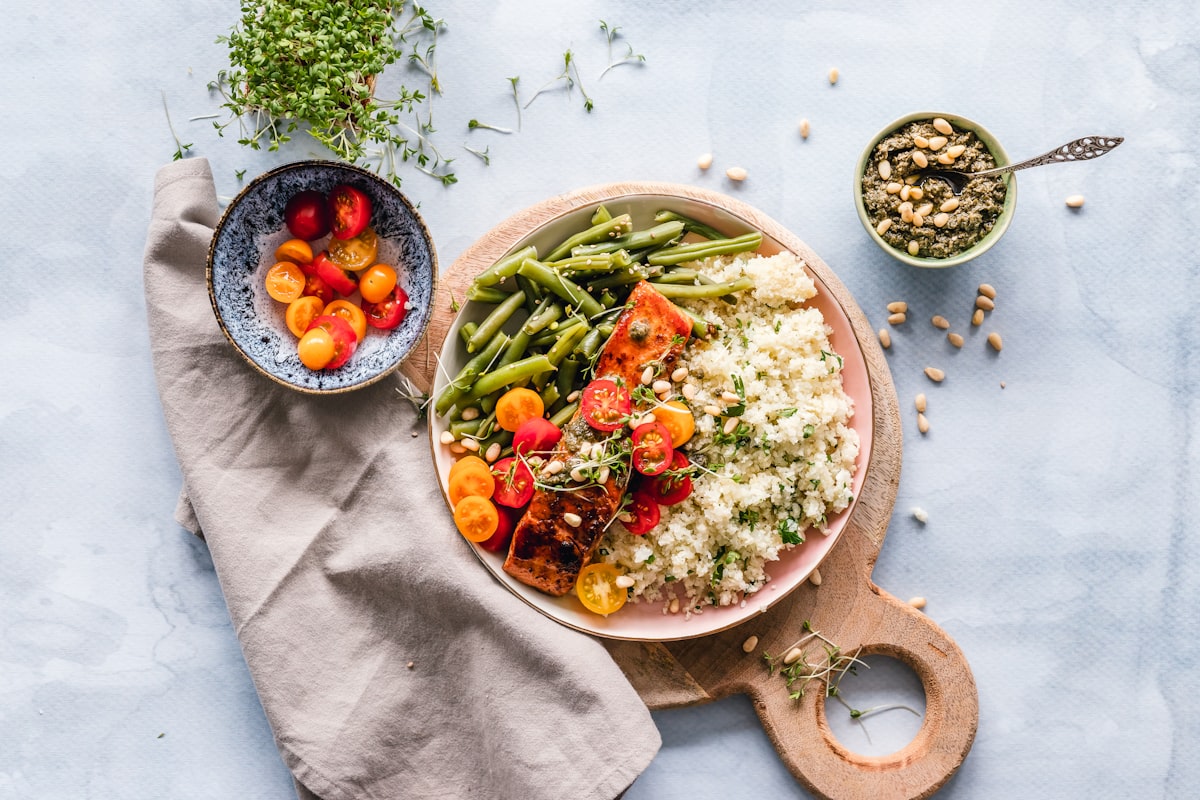
- Vegetables: Instead of onion, garlic, or cauliflower, try eggplant, potatoes, tomatoes, cucumbers, zucchini, carrots, or fresh chives.
- Fruits: Swap apples, pears, or mango for grapes, oranges, strawberries, blueberries, pineapple, or firm bananas.
- Grains: Say goodbye to wheat/rye/barley breads and pasta for a bit, and hello to rice, quinoa, oats (in measured servings), and gluten-free alternatives.
- Dairy: Opt for lactose-free milk, almond milk, or hard cheeses like cheddar and feta instead of cow's milk, yogurt, or soft cheeses.
- Proteins: Stick with eggs, plain meats, seafood, or firm tofu, and be mindful of legumes.
- Sweeteners: Table sugar, maple syrup, and dark chocolate are generally fine, but avoid honey or high-fructose corn syrup.
A super helpful tip, especially for those who miss garlic and onion flavor, is to use garlic-infused oil. The fructans (the FODMAPs in garlic) are water-soluble, but they're *not* fat-soluble. This means you can heat garlic cloves in oil, let the amazing flavor infuse, and then remove the garlic solids. You're left with a delicious, FODMAP-free oil! We use this trick in many GentleFeast recipes.
Your Best Friend: The Monash FODMAP App
Seriously, if you're navigating low FODMAP, the Monash FODMAP Diet App is your absolute best friend. Developed by the very university that created the diet, it's the gold standard for food testing. They quantify the precise FODMAP content in foods worldwide, using rigorous scientific methods. The app uses a simple traffic light system (green for low, amber for moderate, red for high) and, crucially, provides serving size-specific ratings. This means you might be able to enjoy a small portion of something that's high FODMAP in a larger serving!
Embracing Flavor and Variety: Your Low FODMAP Kitchen
One of the biggest challenges with any restricted diet is feeling like your food choices are boring or bland. But with the low FODMAP approach, it doesn't have to be that way! It's all about getting creative with ingredients and seasoning. Think about herbs, spices, and those fantastic low-FODMAP swaps.
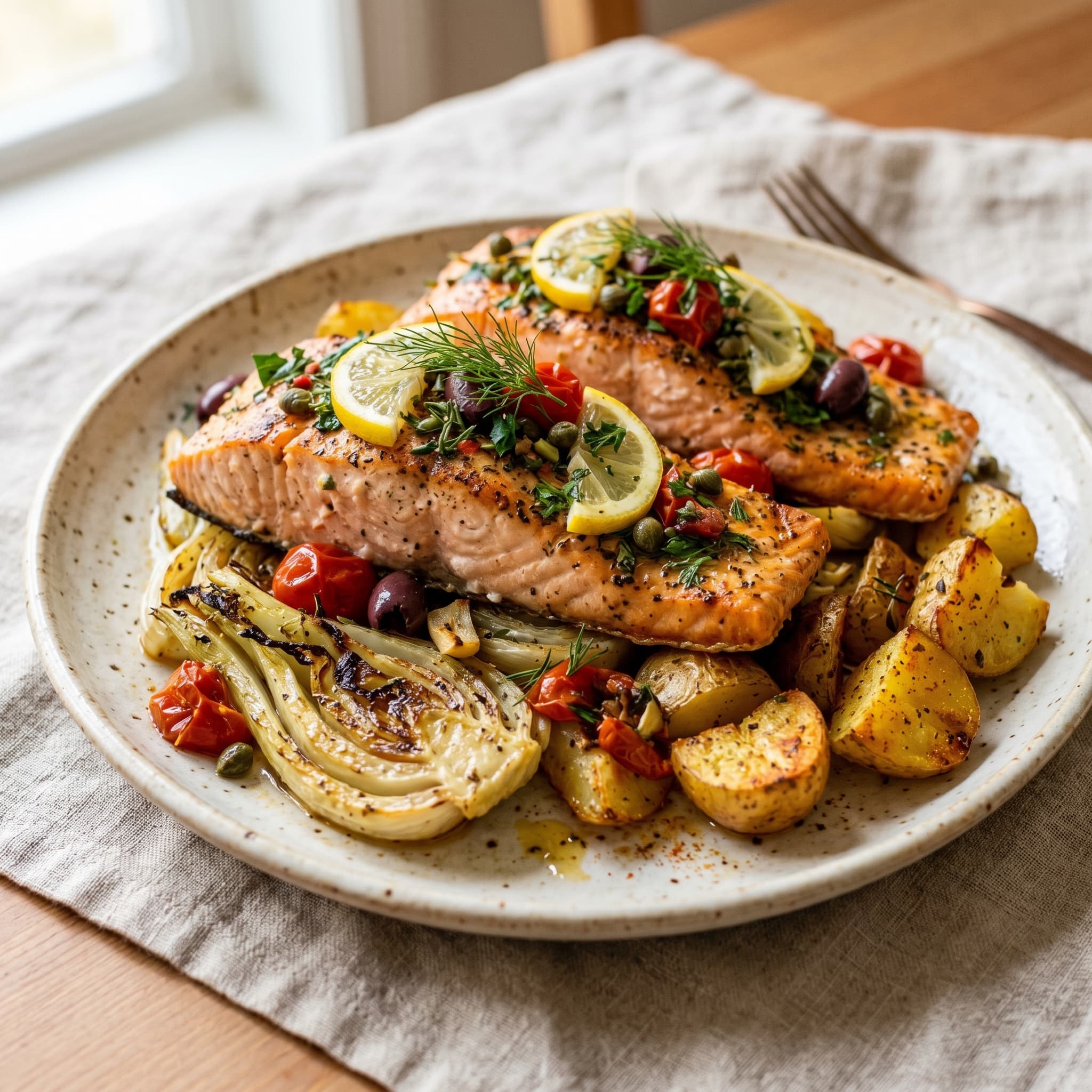
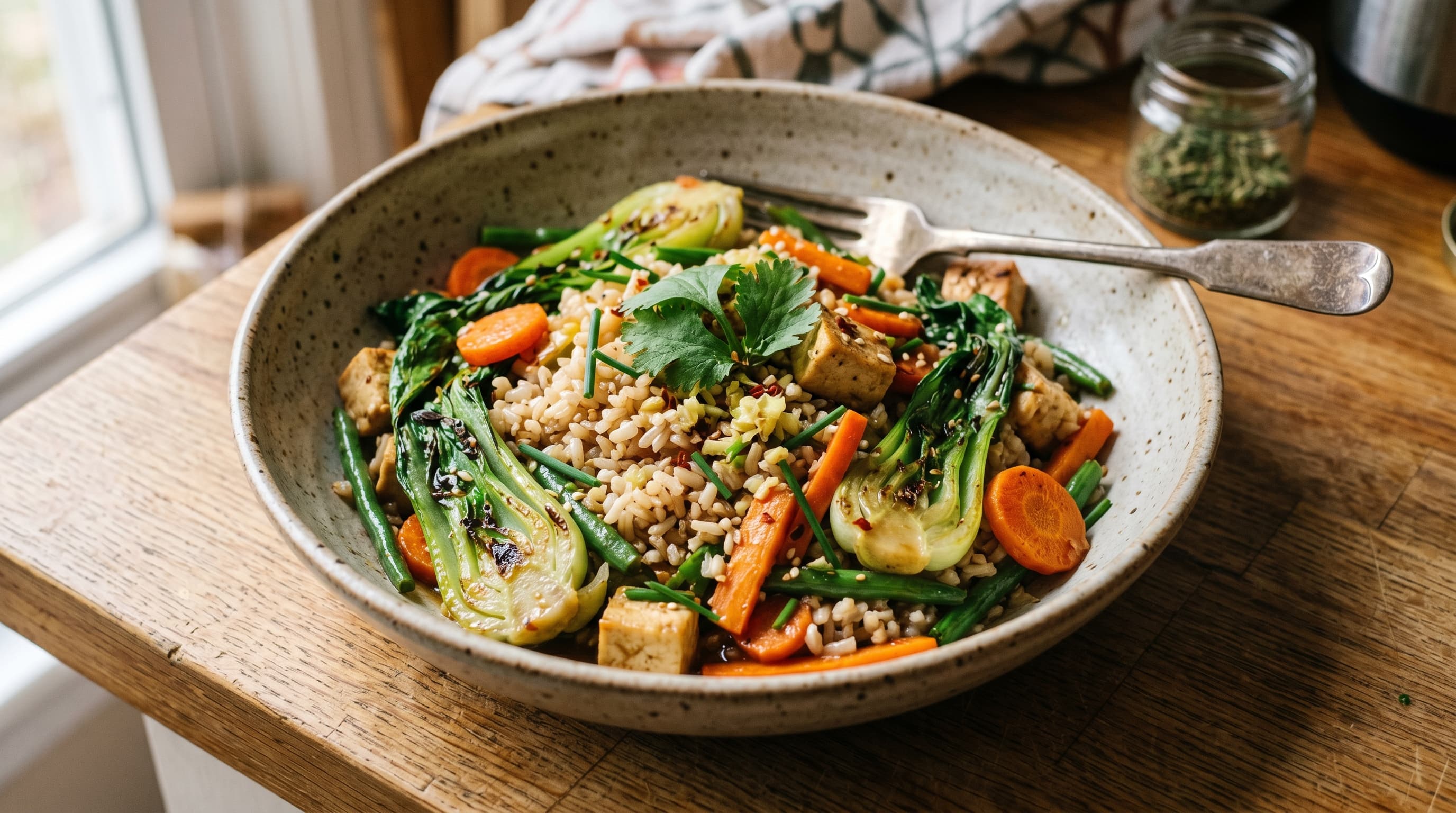
For example, if you're craving something warm and comforting, our Low FODMAP Mediterranean Haddock with Fennel and Olives is a fantastic choice. It uses delicate fennel, briny olives, and fresh herbs to create a flavorful, gut-friendly experience. Or, if you're in the mood for something with a bit more zest, you can't go wrong with our Asian-inspired dishes. Our Low-FODMAP Chicken & Bok Choy Stir-Fry uses garlic-infused oil and fresh ginger for that savory kick, served over brown rice. And for a taste of Thailand, our Low FODMAP Thai Chicken & Veggie Stir-fry delivers authentic flavors using chicken, a medley of low FODMAP vegetables, and a carefully crafted aromatic sauce.
These recipes prove that you can enjoy vibrant, delicious meals while sticking to your low FODMAP plan. It's about focusing on what you *can* eat and making it exciting!
Looking Ahead: Nurturing Your Gut Beyond FODMAPs
Remember, the low FODMAP diet is a tool, not a life sentence. The ultimate goal isn't to stay on it forever, but to understand your triggers and then gradually reintroduce foods. This reintroduction phase is *so* important because it helps you discover your personal tolerance levels for each FODMAP group. It also allows you to bring back a wider variety of foods, which is essential for nurturing a diverse and healthy gut microbiome.
As you move beyond the strict elimination phase, focusing on a broader, gut-friendly eating pattern is key. Research strongly supports shifting away from Westernized diets towards Mediterranean or plant-rich diets for gut restoration. These approaches naturally include a wide array of fibers and beneficial compounds that support a healthy gut.
While traditional prebiotics like inulin, FOS, and GOS can be high FODMAP and exacerbate symptoms for some with IBS, there are other ways to support your gut health. Soluble fibers, found in many low-FODMAP fruits and vegetables, are still incredibly important. The research is still evolving, but some people find benefits from moderate supplementation with things like partially hydrolyzed guar gum (PHGG), which is a soluble fiber.
Finding Your Feast: A Hopeful Path Forward
Navigating gut health challenges can feel like a winding road with unexpected turns, but I want you to know that you're capable of finding your way. The low FODMAP diet is a powerful step, and understanding its nuances, along with other potential factors like SIBO or the gut-brain connection, empowers you to take even more control.
You're learning so much about your body and what it needs. Keep experimenting, keep listening, and don't hesitate to work with a healthcare professional who can guide you. Every small step you take towards understanding your unique digestive system is a victory. So, today, let's try one new low-FODMAP recipe, or simply take a moment to practice some mindful eating. You've got this!
Which foods are behind your symptoms?
A free 60-second check to help you narrow it down — plus recipes matched to what works for your body.
Find my food triggers