Does Cooking Reduce Salicylates? What Actually Helps
I'll walk you through which cooking methods actually cut salicylate levels—boiling, peeling, high heat—and why none of them get you all the way to zero.
Living with salicylate sensitivity means questioning nearly everything on your plate, and it's exhausting when even foods you've tolerated before suddenly cause trouble. I hear that, and I want to give you a straight answer.
Cooking does reduce salicylates, but only partly. Boiling vegetables and discarding the water leaches out some of these water-soluble compounds; high-heat baking or roasting can reduce them further; and peeling removes the concentrated outer layers where they collect. Cooking lowers your overall load, but it never eliminates salicylates entirely — and drying or juicing concentrates them instead.
Understanding Salicylates and Your Sensitivity
Salicylates are natural chemicals found in a huge range of plants, where they play a role in the plant's own defense mechanisms. For most people, they're completely harmless, and they may even offer some anti-inflammatory benefits. But if you have salicylate sensitivity, your body struggles to process them, which can lead to a range of uncomfortable symptoms — headaches, skin rashes, hives, gut upset, asthma-like symptoms, even behavioral changes or fatigue.
This is a genuinely tricky sensitivity to manage, because salicylates show up in so many everyday foods we're told to eat — most fruits, vegetables, herbs, and spices among them. That's why finding ways to reduce them, even a little, can make a real difference. You're not alone in finding this frustrating, and there are strategies that can help.
Kitchen Magic: Cooking Methods That May Offer Relief
You might be wondering if there's a secret cooking trick that makes salicylates disappear. There isn't one — but certain methods do seem to reduce their presence in food, making meals more tolerable for some individuals. Think of it as gently nudging them out of your food, not a full eviction.
Boiling and Draining: A Gentle Wash
This is one of the most talked-about strategies for reducing salicylates, and for good reason. Salicylates are water-soluble, which means they can leach out of food when boiled. This simple technique can make a real difference for many people.
How it works: Boil vegetables in a generous amount of water, then discard that water entirely — this washes away the salicylates that dissolved into the cooking liquid. The more water you use and the more thoroughly you drain, the greater the potential reduction.
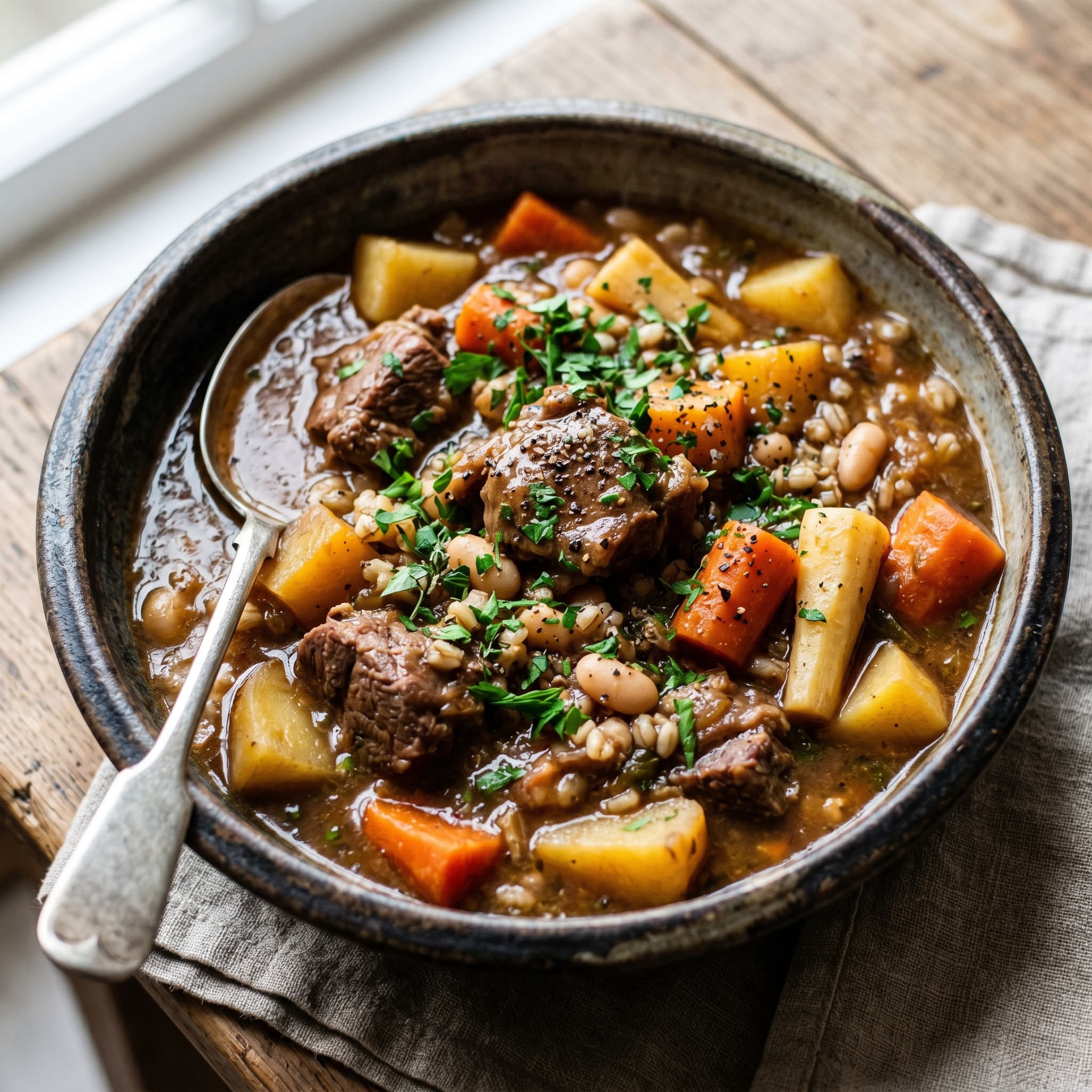
Best for: Denser vegetables like potatoes, carrots, parsnips, and even some types of cabbage. Preparing potatoes for a mash or stew this way — boiling first and draining the water — can make them much gentler on your system.
Pro tip: You can pre-boil vegetables before adding them to other dishes. In our Poached Cod with Aromatic Leek and Yam Soup, for example, simmering the leeks and yams thoroughly contributes to their overall gentleness, even without a separate boil-and-drain step. When you're working with higher-salicylate vegetables, adding a separate boil-and-drain step before they go into your main dish can be even more impactful.
High-Heat Heroes: Roasting and Baking
Turns out, cranking up the heat might be your friend when it comes to salicylate reduction. Research, including insights from the RPAH handbook (a widely respected resource for food sensitivities), suggests that boiling or baking at high temperatures (around 200°C or 400°F and above) can actually reduce salicylates.
The science bit: It's thought that salicylates might volatilize—converting to a gas and escaping into the air—when exposed to intense, dry heat. This is a different mechanism than the water-soluble leaching we see with boiling.
Try it with: Roasting vegetables that are lower in salicylates to begin with, like peeled potatoes, parsnips, or even some peeled squash (if tolerated). Cooked vegetables often seem better tolerated than their raw counterparts — for instance, fresh tomatoes contain higher levels of salicylates than cooked tomatoes, and raspberry jam can actually be lower in salicylates than fresh raspberries. This doesn't mean all cooked tomatoes are fine, but it highlights the potential for reduction.
Sweet treat idea: Baking bananas until tender is a good example of this in action: the high-heat process can help make them even gentler on a sensitive system, while still giving you a comforting dessert. It's a simple illustration of how cooking can transform a food for better tolerance.
Peeling Power: Where Salicylates Hide
This one's simple, and it matters. A significant amount of salicylates tend to concentrate in the skins and outer layers of fruits and vegetables, so a thorough peel can make a real difference in your overall load.
Always peel: Make it a habit to peel foods like cucumbers, zucchini, potatoes, carrots, parsnips, pears, and apples. Even if you've tolerated these with skin before, removing it is a key step in a low-salicylate approach.
Don't forget: Extend this principle to leafy greens too. Remove the tougher, darker outer leaves of cabbage and iceberg lettuce, as these can also hold more salicylates.
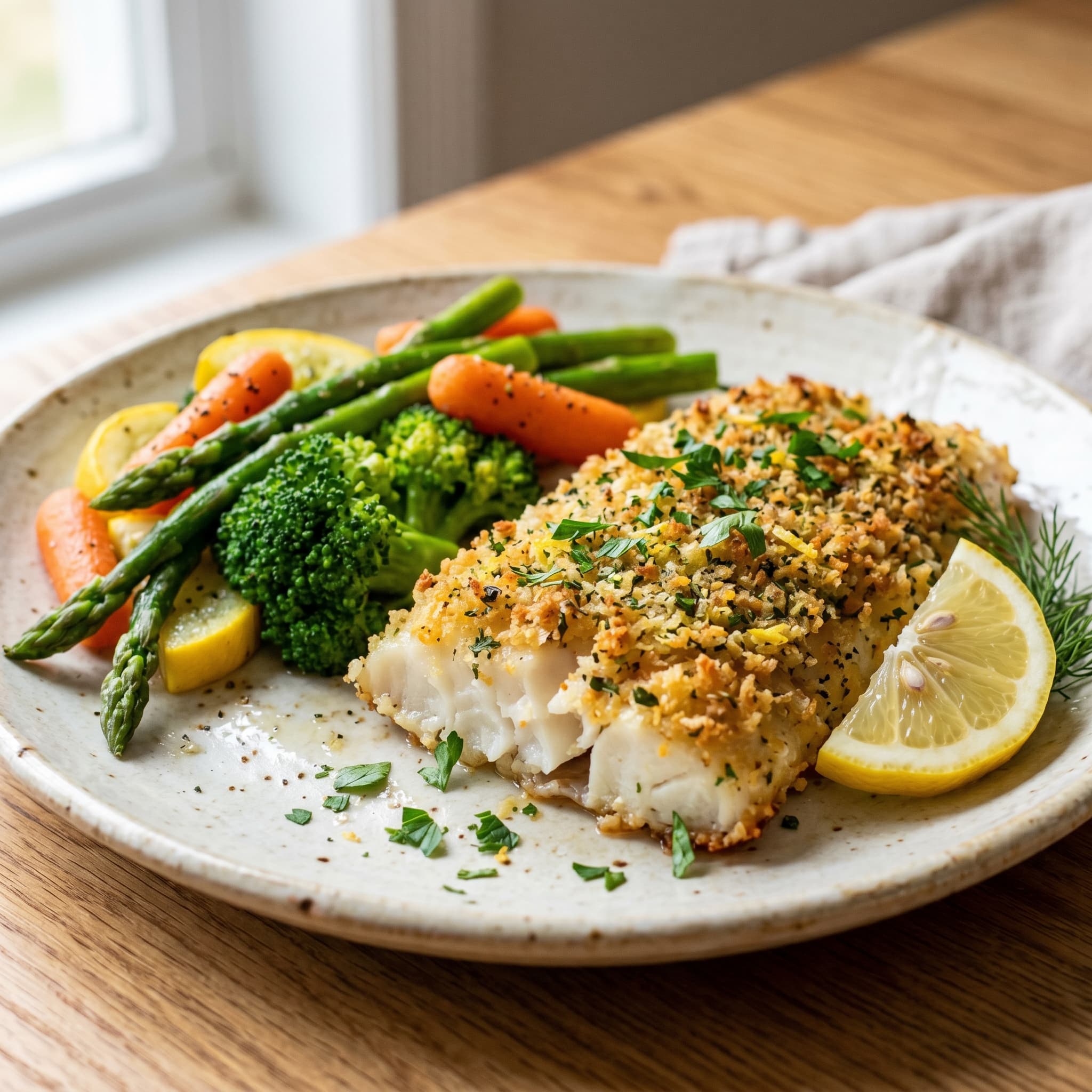
Recipe connection: Our Steamed Haddock with Chive Butter shows this principle differently — the fish is kept simply steamed and plainly seasoned, so nothing about the preparation adds to your salicylate load. Pairing a plain protein like this with thoroughly peeled potatoes and leeks is one of your most powerful tools for a gentle plate.
What Cooking Doesn't Do (and What to Watch Out For!)
It's important to have realistic expectations here. While these cooking methods can be genuinely helpful, they're not a magic wand that makes salicylates disappear entirely. It's about reduction, not elimination.
No total elimination: Let's be clear: cooking doesn't eliminate salicylates completely. You're aiming to lower the overall load, which can be enough to bring symptoms below your personal threshold. It's a cumulative effect, so every little bit of reduction helps.
Concentration culprits: Be extra careful with dried fruits and juices — this is a common pitfall. Drying and juicing both concentrate salicylates by removing water (and, with juicing, much of the fiber too), leaving a smaller package with a higher dose of the compounds. So while a fresh, peeled pear might be okay for some, dried pear or pear juice could easily trigger symptoms. As a general rule, it's worth avoiding these if you're sensitive.
Microwave caution: Some research suggests that microwave cooking may not reduce salicylates as effectively as traditional boiling or high-heat methods. If you're especially sensitive and trying to maximize reduction, sticking to boiling-and-draining or high-heat baking might be a safer bet for certain foods. It's about making informed choices based on what works best for your body.
Putting It All Together: Practical Steps for Your Kitchen
So how do you actually apply this in your day-to-day cooking? It's about being mindful and strategic, especially with moderate-salicylate foods you'd like to keep in your diet without triggering symptoms. Think of these as gentle guidelines for preparing food in the most tolerance-friendly way possible.
Here's a simple, step-by-step approach for preparing vegetables you want to make more tolerable:
- Peel thoroughly. Start by removing all skins, peels, and any tough outer leaves from your fruits and vegetables. This is your first line of defense against concentrated salicylates.
- Chop small. Cut your vegetables into smaller, uniform pieces. This isn't just for even cooking — it increases the surface area, allowing more salicylates to leach out into the water during boiling.
- Boil in fresh water. Place the chopped veggies in a pot, cover them generously with fresh, cold water, and bring it to a rolling boil. Let them boil for 5–10 minutes; the longer boil time helps ensure maximum leaching.
- Drain and discard. Drain the vegetables thoroughly in a colander and throw away the cooking water immediately. Do not reuse this water for sauces or stocks, as it will now contain the salicylates you're trying to avoid.
- Cook as desired. Now your vegetables are ready for your stew, soup, stir-fry, or whatever you're creating. They'll have a significantly lower salicylate load, making them much more likely to be tolerated.
This careful, multi-step process may really improve your tolerance for some foods, potentially allowing you to enjoy a bit more variety and flavor in your meals. It's a thoughtful way to approach your cooking with sensitivity in mind.
Embracing Low-Salicylate, Anti-Inflammatory Foods
While you're applying these cooking strategies to moderate-salicylate foods, it's also empowering to build meals around foods that are naturally low in salicylates and offer real anti-inflammatory benefits — a double win for reducing inflammation while managing your sensitivity.
Some good choices to build meals around:
- Fruits: Sweet, ripe, peeled pears and bananas — gentle sweetness that's often well-tolerated.
- Vegetables: Cabbage, celery, iceberg lettuce, leeks, and white potatoes are generally safe bets, and feature prominently in our GentleFeast low-salicylate recipes, like the Poached Cod with Aromatic Leek and Yam Soup and the Comforting Low-Salicylate Turkey Stroganoff with Gluten-Free Fettuccine — proof that low salicylate doesn't mean low flavor.
- Fats: Sunflower oil and rice bran oil for cooking and dressings. Many popular oils, like olive oil, can be moderate-to-high in salicylates and generally need to be avoided when you're sensitive.
- Proteins: Plain chicken, beef, lamb, and white fish fillets (like haddock or tilapia) are usually very well tolerated.
- Grains: Simple white rice and plain pasta are versatile staples for countless meals.
It feels good to know you're nourishing your body with foods that support your well-being and help you feel your best, without triggering symptoms. This approach helps you focus on abundance, not just restriction.
Your Everyday Toolkit for Low-Salicylate Cooking
Having the right staples on hand — and knowing how to use them — makes your low-salicylate cooking smoother and more enjoyable.
Pantry staples:
- Fats: Butter, safflower oil, rice bran oil, canola oil.
- Grains: White rice, plain pasta, white flour, rolled oats, plain breadcrumbs.
- Sweeteners: White sugar, brown sugar, and maple syrup, which are generally well-tolerated.
- Seasonings: Salt, white pepper, plain soy sauce (check labels for hidden ingredients), vanilla extract.
Fridge and freezer:
- Core veggies: White potatoes, cauliflower, leeks, cabbage, green beans, carrots, parsnips, fresh chives, iceberg lettuce.
- Safe fruits: Ripe pears and bananas, peeled.
- Protein: Plain chicken, beef, lamb, and white fish fillets, plus frozen portions of cooked rice or pear puree for quick additions.
Prep ahead: Batch cooking is a real lifesaver when managing food sensitivities. Dedicate a little time once or twice a week to peel and chop your low-salicylate veggies, and pre-boil potatoes or carrots using the methods above so they're ready to go. It makes weeknight meals so much simpler, and helps ensure you're always prepared with safe options.
Remember, every small step you take to adapt your cooking can add up to feeling better. It's about finding what works for your unique body and building a repertoire of delicious, gentle meals.
I know living with salicylate sensitivity can feel overwhelming sometimes, like you're constantly learning a new language for food. But look at all the amazing knowledge you've gained today, and every small change you make in your cooking can bring you closer to truly enjoying your food again. Don't be afraid to experiment gently — start with just one new method, like thoroughly peeling and boiling your potatoes before adding them to a dish, and see how your body responds. You've got this, and I'm here cheering you on every step of the way.
Last reviewed: 2026-09-01
Which foods are behind your symptoms?
A free 60-second check to help you narrow it down — plus recipes matched to what works for your body.
Find my food triggers