Low-histamine Mediterranean breakfasts that taste amazing
Struggling with histamine intolerance? I'll show you how to blend the fresh, vibrant Mediterranean diet with a low-histamine approach for delicious, symptom-free breakfasts.
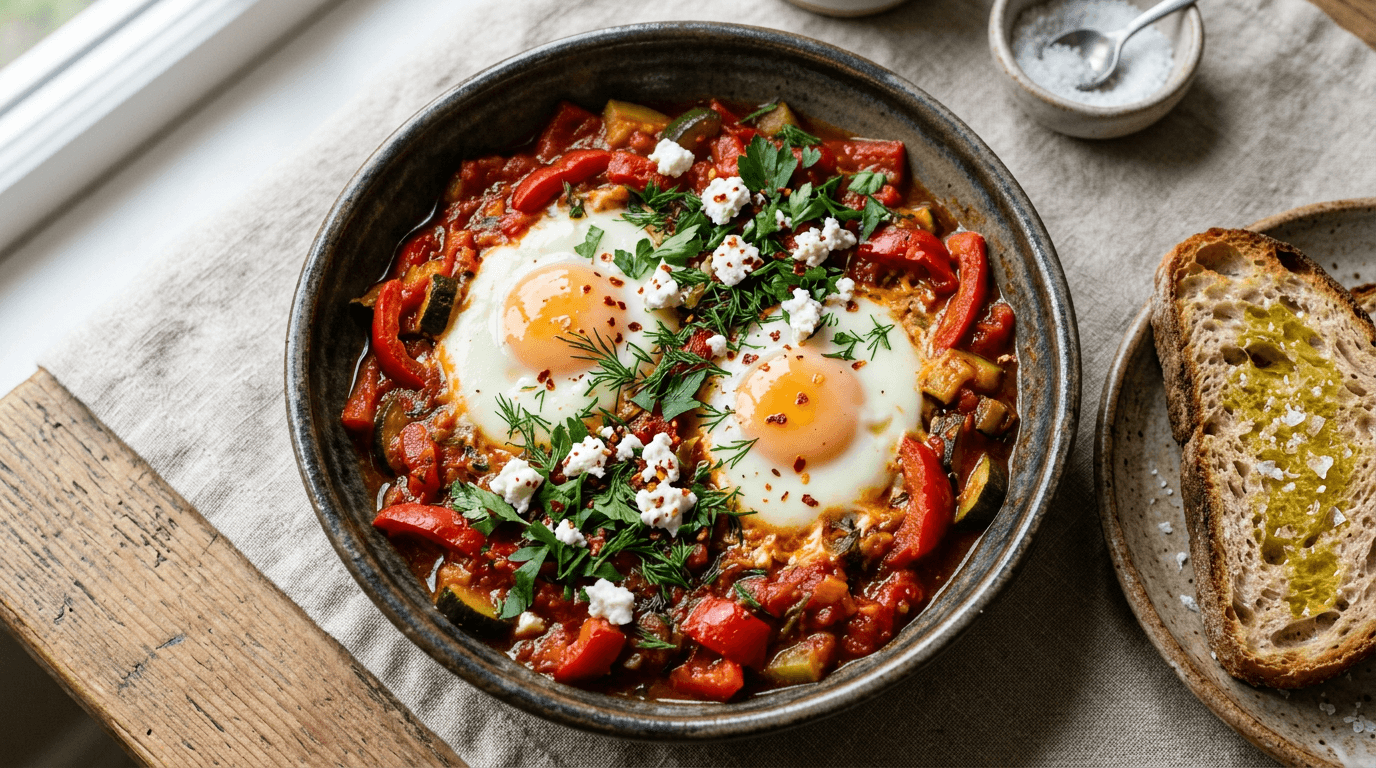
Waking Up Happy: Low-Histamine Mediterranean Breakfasts That Taste Amazing
Waking up to a delicious breakfast should be a joy, shouldn't it? But if you're navigating the world of histamine intolerance, that morning meal can often feel more like a minefield than a moment of peace. You're probably tired of feeling limited, wondering if you'll ever enjoy a truly satisfying and symptom-free start to your day. Well, I've been looking into this, and I'm excited to share how we can blend the fresh, vibrant principles of the Mediterranean diet with a low-histamine approach, creating breakfasts that are both gentle on your system and incredibly tasty.
Unpacking Histamine: Why Your Body Might Be Feeling Off
Let's start by understanding what histamine is, because it's not some scary, foreign invader. Histamine is a natural compound found in our bodies and in many foods. It plays a few different roles, like helping your immune system and acting as a neurotransmitter. Normally, your body has enzymes, primarily diamine oxidase (DAO), that break down histamine effectively.
However, for some of us, these enzymes might not be doing their job quite as well as they should, or we might be consuming more histamine than our body can handle. When histamine builds up, it can lead to a whole range of uncomfortable symptoms, from headaches and skin issues to digestive upset and a runny nose. It's not an allergy, but more of a tolerance issue, and it can really throw your day off balance, especially if your first meal is triggering.
The good news is that by being mindful of the histamine content in your food, you can often find a lot of relief. The key here is often about freshness and avoiding foods where histamine has had a chance to build up, like aged, fermented, or leftover items.
The Mediterranean Magic: A Feast for Your Senses (and Your Gut!)
Now, let's talk about the Mediterranean diet – a way of eating that's celebrated worldwide for its incredible health benefits and deliciousness. It's not really a strict diet but more of a lifestyle, focusing on whole, unprocessed foods that are naturally anti-inflammatory and supportive of good gut health.
Think about it: lots of fresh fruits and vegetables, healthy fats like extra virgin olive oil, lean proteins like fish and poultry, and whole grains. There's a beautiful emphasis on herbs and spices for flavor, rather than relying on processed ingredients. This approach aligns so beautifully with a gentle, nourishing way of eating, and it's something I absolutely adore.
The challenge, of course, is that some traditional Mediterranean staples, like aged cheeses, cured meats, and certain fermented foods, can be high in histamine. But don't worry, we're not throwing the baby out with the bathwater! We're just going to adapt it, focusing on the fresh, vibrant core of this amazing eating style.
Marrying Two Worlds: Crafting Your Low-Histamine Mediterranean Breakfast
So, how do we bring these two worlds together to create a truly satisfying low-histamine Mediterranean breakfast? It's all about making smart swaps and prioritizing freshness above all else. We're going to keep the spirit of the Mediterranean diet – fresh, whole foods, healthy fats, and plenty of plant-based goodness – while carefully selecting ingredients that are naturally lower in histamine.
Here are some guiding principles I've found really helpful:
- Prioritize Freshness: Always choose the freshest ingredients possible. Histamine levels tend to rise as food ages, so fresh is best!
- Focus on Unprocessed: Stick to whole, unprocessed foods. This means cooking from scratch whenever you can, so you know exactly what's going into your meal.
- Choose Gentle Fats: Extra virgin olive oil and avocado oil are your friends. They're full of healthy fats and are generally well-tolerated.
- Embrace Herbs & Spices: Instead of relying on high-histamine sauces or condiments, bring flavor with fresh herbs like basil, parsley, oregano, and chives, and gentle spices.
- Watch Out for Hidden Histamine: Be mindful of common high-histamine culprits like fermented foods (yogurt, sauerkraut), aged cheeses, cured meats, citrus fruits, and leftovers.
It might sound like a lot to consider, but once you get the hang of it, creating delicious, gentle meals becomes second nature. It's about building new habits that truly serve your body.
Your Morning Meal Makeover: Delicious Low-Histamine Mediterranean Breakfast Ideas
Let's get to the fun part: actual breakfast ideas! Here are some of my favorite ways to enjoy a nourishing low-histamine Mediterranean breakfast that won't leave you feeling deprived.
Savory Starts
-
Fresh Scrambled Eggs with Zucchini and Herbs: Gently scramble 2-3 super fresh eggs with a splash of rice or coconut milk. Sauté finely diced zucchini and fresh spinach in a little extra virgin olive oil until tender, then stir them into your eggs. Finish with a sprinkle of fresh parsley or basil and a pinch of sea salt. Eggs are a fantastic, quick protein source when they're fresh!
-
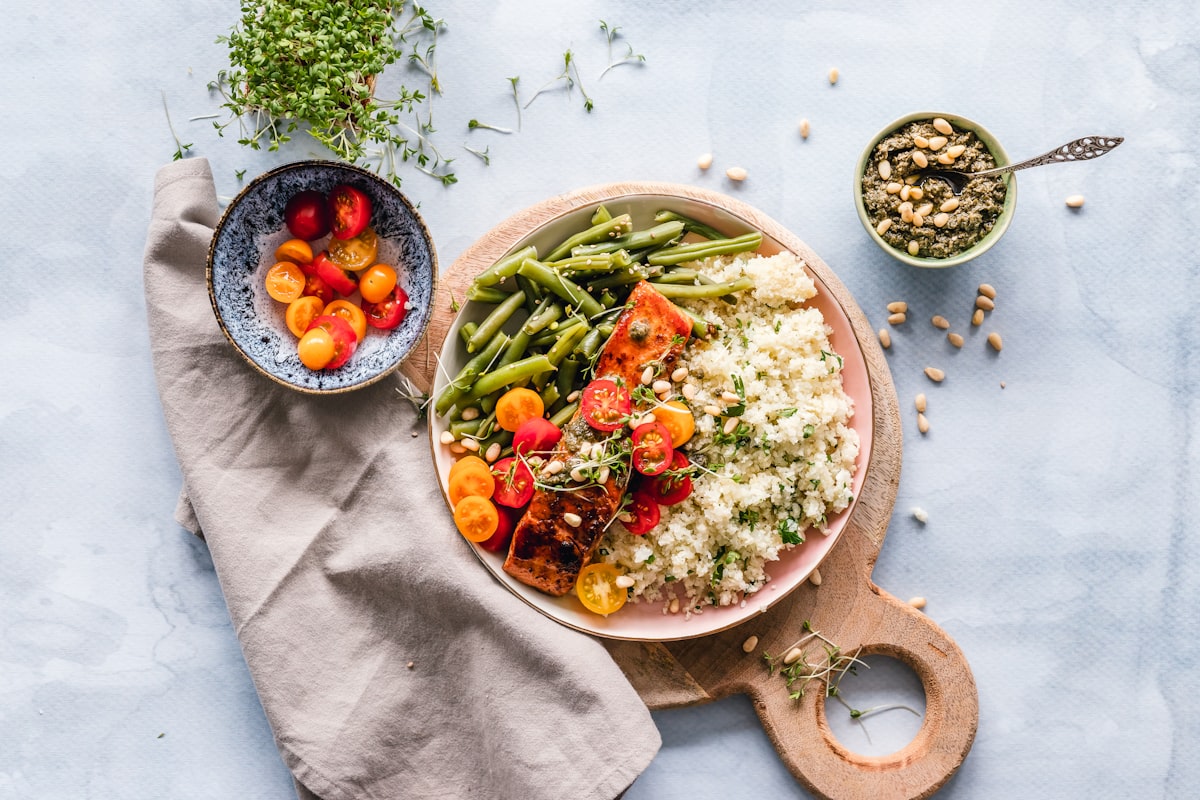
Quick Salmon & Veggie Scramble: If you've got some very fresh, quickly cooked salmon (think last night's dinner, but eaten immediately, not leftover!), flake it into your fresh egg scramble along with some chopped bell peppers and green onions (the green parts). It's a powerhouse of omega-3s and protein.
-
Avocado & Cucumber "Toast": Spread fresh, ripe avocado on a rice cake or a slice of low-histamine, gluten-free bread. Top with thin slices of fresh cucumber, a sprinkle of sea salt, and a generous amount of fresh dill. It's crunchy, creamy, and wonderfully refreshing.
Sweet & Satisfying Options
-
Quinoa Porridge with Fresh Berries: Cook quinoa with water or a low-histamine plant milk (like rice milk or additive-free coconut milk) until creamy. Top with a handful of fresh blueberries or raspberries – these are generally well-tolerated and packed with antioxidants. A drizzle of pure maple syrup or a sprinkle of pumpkin seeds can add extra flavor and texture.
-
Gentle Berry Smoothie: Blend fresh blueberries, raspberries, or a mix with rice milk or unsweetened coconut milk. You can add a handful of fresh spinach for extra nutrients (you won't taste it, I promise!) and a scoop of low-histamine protein powder, like pea protein, if you like. Keep it simple and fresh!
-
Apple & Pear "Nachos": Slice a fresh apple or pear thinly. Arrange the slices on a plate and drizzle lightly with a tolerated nut butter (like cashew or almond butter, checking for no added sugars or oils). Sprinkle with a few sunflower seeds or a tiny bit of cinnamon. It's sweet, crunchy, and a fun way to get your fruit in!
Building Your Low-Histamine Mediterranean Pantry
Having the right ingredients on hand makes all the difference when you're trying to whip up a quick and easy low-histamine Mediterranean breakfast. Here’s a little shopping list to get you started:
Fresh Produce
- Fruits: Blueberries, raspberries, apples, pears, peaches, melons, grapes.
- Vegetables: Zucchini, cucumber, bell peppers (all colors!), carrots, fresh spinach, kale, arugula, radishes, green onions (green parts only), fresh herbs like parsley, basil, oregano, dill, chives.
- Avocado: Always fresh!
Proteins
- Eggs: Super fresh, ideally from a trusted local source.
- Fresh Fish: Salmon, cod, trout. Cook and consume immediately.
- Fresh Poultry: Chicken breast, turkey breast.
- Pea Protein Powder: A good option if you need a protein boost in smoothies.
Healthy Fats & Oils
- Extra Virgin Olive Oil: Your go-to for cooking and dressings.
- Avocado Oil: Another great option for higher heat cooking.
Grains & Alternatives
- Quinoa: A versatile, gluten-free grain.
- Rice: White or brown rice.
- Gluten-Free Oats: Ensure they're certified gluten-free if sensitivity is an issue.
- Rice Cakes or Low-Histamine Gluten-Free Bread: For toast alternatives.
Milks & Sweeteners
- Rice Milk: Unsweetened and additive-free.
- Coconut Milk: Canned, full-fat, unsweetened, and check for minimal ingredients.
- Maple Syrup: Pure, for a touch of sweetness.
Seeds & Nuts (in moderation, if tolerated)
- Pumpkin Seeds: Great for crunch.
- Sunflower Seeds: Another good option.
- Chia Seeds: Use sparingly, as some find them problematic.
- Cashew/Almond Butter: Check for pure ingredients.
Remember, always check labels for hidden ingredients that might contain histamine or additives that could trigger symptoms.
Your GentleFeast Journey: Listening to Your Body
This journey is incredibly personal, and what works beautifully for one person might need a little tweaking for another. That's why the most practical takeaway I can give you is to become an expert in listening to your body. Your body is constantly giving you feedback, and learning to interpret those signals is truly empowering.
I always recommend keeping a simple food and symptom journal. Jot down what you eat, when you eat it, and how you feel afterward. Are you noticing any patterns? Do certain foods consistently make you feel great, while others seem to cause trouble? This isn't about rigid rules; it's about gathering information to help you feel your best.
Start with small changes, introduce new foods one at a time, and give your body a chance to adjust. If you're feeling overwhelmed, please know that you don't have to figure this out alone. Working with a nutritionist who understands histamine intolerance can provide invaluable guidance and support, helping you navigate your unique path to wellness.
Waking up to a delicious, nourishing breakfast doesn't have to be a distant dream when you're managing histamine intolerance. By embracing the fresh, wholesome principles of the Mediterranean diet and making a few thoughtful adjustments, you can create morning meals that are truly gentle on your system and bursting with flavor. I know you've got this!
Why not try making those fresh scrambled eggs with zucchini and herbs tomorrow morning? It's a wonderful, easy step towards a happier, healthier start to your day.
Which foods are behind your symptoms?
A free 60-second check to help you narrow it down — plus recipes matched to what works for your body.
Find my food triggers