Sweet Freedom: Mastering Low Salicylate Baking for Delicious Guilt-Free Treats
Discover how to enjoy delicious, guilt-free treats with low salicylate baking! I'll show you clever ingredient swaps and recipes so you can bake with confidence again.
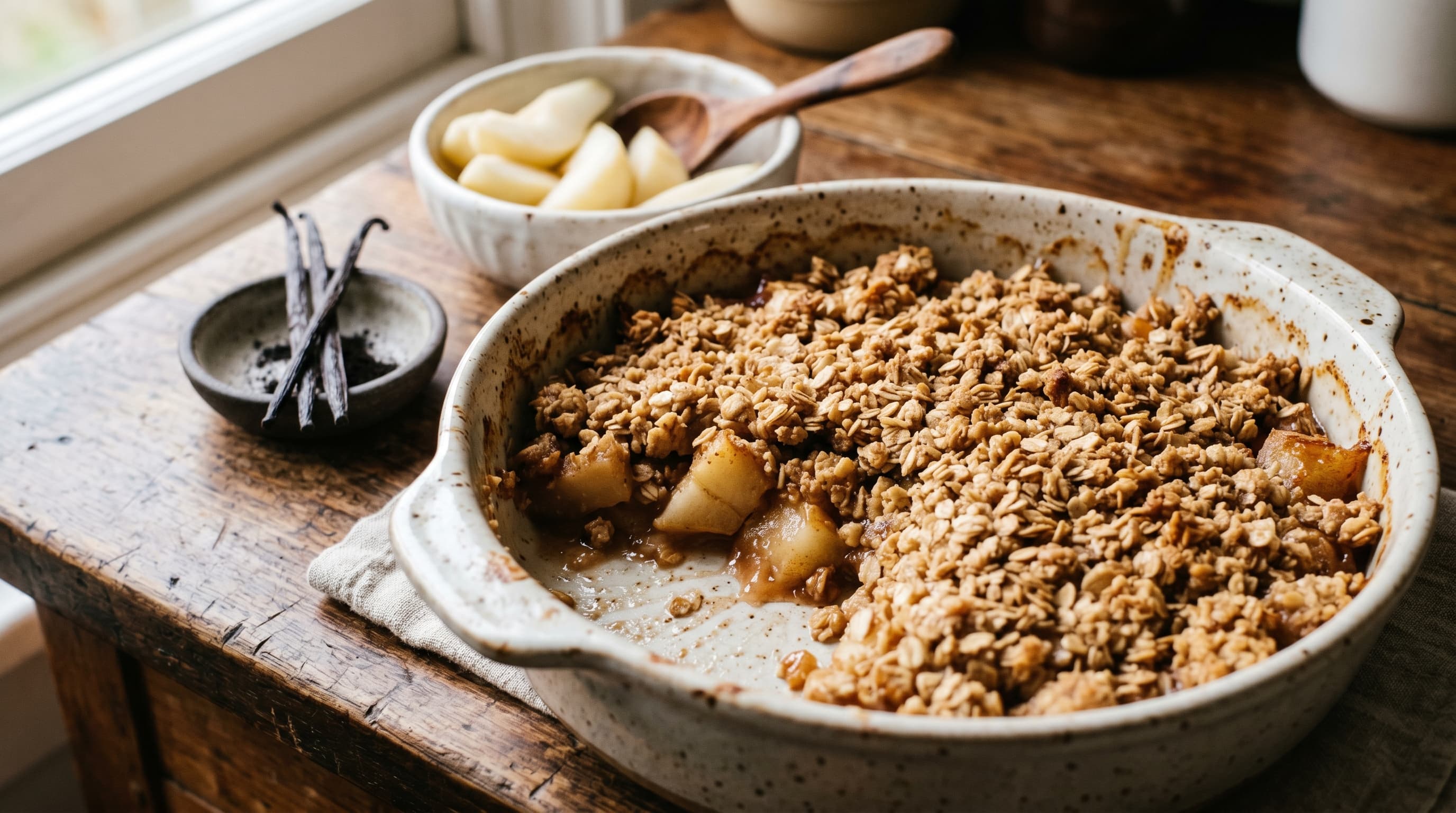
Sweet Freedom: Mastering Low Salicylate Baking for Delicious Guilt-Free Treats
Finding joy in baking when you're navigating salicylate sensitivity can feel like a real puzzle, can't it? It's so easy to feel limited, like all the delicious, comforting treats are suddenly off the table. I hear you, and I understand how frustrating it can be to miss out on those sweet moments.
But here's the wonderful news: you absolutely don't have to give up on delightful desserts! I've been diving deep into low salicylate baking, and I'm excited to share how you can create truly satisfying, salicylate-friendly treats. Let's reclaim your kitchen and bake up some happiness together!
Understanding Salicylates in Your Sweet Creations
So, what exactly are salicylates, and why do they pose such a challenge in baking? Salicylates are natural chemicals found in many plants, acting as a kind of natural defense mechanism. For most people, they're completely harmless, but for those with sensitivity, they can trigger a range of uncomfortable symptoms.
The tricky part is that many of our beloved baking ingredients, from vibrant berries and citrus fruits to warming spices like cinnamon and even healthy fats like olive oil, are quite high in salicylates. This can make traditional recipes a minefield, leaving you wondering if you'll ever enjoy a homemade dessert again. The good news is, with a little know-how, you can absolutely enjoy baking again!
Stocking Your Low Salicylate Baker's Pantry
The first step to sweet freedom is knowing which ingredients are your friends. Building a well-stocked low salicylate pantry means you're always ready to whip up something delicious without worry. It's all about making smart swaps and embracing new favorites.
Let's look at some fantastic staples that'll form the foundation of your salicylate-friendly baking:
-
Fruits: Say hello to ripe bananas and peeled pears! These are your superstars for natural sweetness and moisture in baking. Research from the Royal Prince Alfred Hospital (RPAH) Allergy Unit consistently lists them as safe options for low salicylate diets.
-
Sweeteners: White sugar is a go-to, and maple syrup can be used in moderation (just remember to limit it to about 1 teaspoon per serving, as it's moderate in salicylates).
-
Fats: Unsalted butter and safflower oil are excellent choices for richness and texture. It's really important to remember that *olive oil*, while wonderful in savory dishes, is very high in salicylates and best avoided in your low salicylate desserts.
-
Dairy & Alternatives: Cream, mascarpone, ricotta, plain yogurt, and even cream cheese can add lovely creaminess and structure. If you're dairy-free, look for safe alternatives that don't contain high salicylate ingredients.
-
Flours & Starches: Good old white flour, semolina, white rice (especially for puddings!), cornstarch for thickening, and even filo pastry are all safe bets.
-
Nuts & Seeds: This is where it gets interesting! While almonds are very high in salicylates, cashews are considered low salicylate. You can grind raw cashews into a fine meal for a wonderful, rich flour substitute. Poppy seeds are also safe.
-
Flavorings: Vanilla extract and a tiny pinch of saffron can add beautiful depth without the salicylate load. Citric acid is also a fantastic secret weapon for adding a tangy kick without relying on citrus fruits.
Sweet Swaps: Mastering Fruit and Sweetener Alternatives
One of the biggest hurdles in low salicylate baking is often fruit. Berries, cherries, apples (unpeeled), and citrus are usually off-limits. But don't despair! There are so many creative ways to bring sweetness and moisture to your bakes. The good news is, you've got some wonderful options!
Fruitful Substitutions
When a recipe calls for high-salicylate fruits, here's how you can brilliantly swap them out:
-
Berry Fillings (Pies, Tarts): Instead of berries, try diced peeled pear. For that touch of tartness, add about 1 teaspoon of lemon-replacement citric acid dissolved in water for every cup of fruit. Don't forget a tablespoon of cornstarch to help it thicken nicely.
-
Dried Fruits in Cakes/Muffins: Many dried fruits like raisins and apricots are high in salicylates. Instead, use homemade, unseasoned banana chips (if you can find them without added oils or spices) or simply dice up some fresh peeled pear. If you use fresh pear, you might need to reduce other liquids in your recipe by a couple of tablespoons.
-
Citrus Zest: This is an easy one! Just swap it for pure vanilla extract or a tiny pinch of saffron. The flavor profile will be different, of course, but it's a lovely change.
-
Citrus Juice for Acidity: If you need that tangy lift, a quarter teaspoon of citric acid dissolved in a tablespoon of water can stand in for a tablespoon of citrus juice. It delivers the tartness without the salicylate worry.
Sweetener Savvy
Honey, while natural, is very high in salicylates. If a recipe calls for it, you can substitute 1 tablespoon of honey with 1 tablespoon of white sugar plus 1 teaspoon of water. This helps maintain the liquid balance in your recipe.
Flavor Without the Fuss: Creative Spice and Extract Choices
Spices are another area where salicylates can hide. Warming spices like cinnamon, cloves, and nutmeg are often high, which can be a disappointment for bakers. But don't worry, you can still infuse your bakes with delightful aromas and tastes!
-
Vanilla is Your Best Friend: Pure vanilla extract is a low salicylate powerhouse. Don't be shy with it! It adds incredible depth and warmth to almost any sweet treat.
-
Saffron's Subtle Magic: A tiny pinch of saffron can impart a beautiful golden color and a unique, delicate floral-honeyed note. It's fantastic in rice puddings or baked pears.
-
Embrace the Natural Flavors: Sometimes, the best flavor comes from the ingredients themselves. The sweetness of ripe bananas, the delicate taste of peeled pears, and the richness of butter or mascarpone can truly shine when not overshadowed by strong spices.
-
A Note on Anti-inflammatory Foods: It's worth remembering that while many powerful anti-inflammatory foods like berries and turmeric are high in salicylates, you still have options. Peeled pears, bananas, and cashews are considered low salicylate and have anti-inflammatory properties.
Bringing It All Together: Practical Baking Tips and Recipes
Now that you're armed with your low salicylate pantry staples and clever substitutions, let's talk about putting it all into practice! Baking is all about experimenting, and you'll quickly discover your new favorite combinations.
GentleFeast Approved Recipes to Try
I'm thrilled to share some delicious GentleFeast recipes that perfectly fit a low salicylate lifestyle:
-
German Baked Bananas with Creamy Rice Pudding: This comforting dessert stars tender baked bananas alongside a rich, creamy white rice pudding. It's a truly satisfying treat that's completely low salicylate, vegetarian, and even fits a Mediterranean diet. You'll love how simple and delicious it is!
-
Peeled Pear and Oat Crumble: Imagine tender peeled pears baked under a buttery oat and flour crumble topping. It's naturally sweet, wholesome, and perfectly safe for low salicylate diets. This recipe uses maple syrup and brown sugar for sweetness, and safflower oil in the crumble for a lovely texture.
-
Simple Creamy Rice Pudding: Sometimes, the simplest things are the best. This classic rice pudding is made with arborio rice and nonfat milk, creating a wonderfully comforting and gentle dessert. It's also low histamine, making it a fantastic choice for those with multiple sensitivities.
More Ideas for Your Low Salicylate Baking Adventures
Don't stop there! Here are a few more ideas to spark your creativity:
-
Baked Pear with Mascarpone: Halve and core ripe, peeled pears, fill the cavities with a tablespoon of mascarpone and a sprinkle of white sugar, then bake until tender. A tiny drizzle of maple syrup and a pinch of saffron can elevate this simple dessert to something truly elegant.
-
Classic Pear Compote: This is incredibly versatile! Simmer chunks of peeled pears with white sugar, a little water, and a vanilla bean (or vanilla extract). It's wonderful on its own, served with safe dairy, or as a filling for tarts made with filo pastry.
-
Cashew-Based Cookies or Bars: Experiment with recipes that use cashew meal instead of almond flour. You'll be surprised by the rich, buttery flavor it adds!
Your Practical Takeaway: Baking with Confidence
Embracing low salicylate baking is all about learning to adapt and being open to new flavors. You've got so many wonderful ingredients at your fingertips!
Here's a quick recap of your actionable steps:
-
Prioritize Peeled Pears and Ripe Bananas: These are your fruit heroes for sweetness and moisture.
-
Swap Almonds for Cashews: Grind raw cashews for a delicious, safe flour alternative.
-
Choose Butter or Safflower Oil: Steer clear of olive oil in your sweet recipes.
-
Embrace Vanilla and Saffron: These extracts and spices will add beautiful flavor without the salicylate load.
-
Use Citric Acid for Tang: It's a brilliant way to add that zesty kick without citrus fruits.
Remember, every recipe you successfully adapt or create is a win! You're building a repertoire of delicious, safe treats that bring joy back into your kitchen.
You've Got This, Sweet Baker!
Navigating dietary sensitivities can feel overwhelming, especially when it comes to something as comforting as baking. But I truly believe you have everything you need to create wonderful, low salicylate desserts that you'll adore. It's a journey of discovery, and each new recipe is a step towards more enjoyment and less worry.
So, take a deep breath, pick one of the GentleFeast recipes I shared, and just give it a try. You're capable of incredible things in the kitchen, and I'm so excited for you to rediscover the sweet side of life!
Which foods are behind your symptoms?
A free 60-second check to help you narrow it down — plus recipes matched to what works for your body.
Find my food triggers