Sweet & Safe: Delicious Low Salicylate Fruit Swaps for Every Craving
Navigating salicylate sensitivity means re-thinking your fruit choices, but I've got you covered with delicious, safe swaps! Discover which fruits are your new best friends and how to enjoy them without discomfort.
Sweet & Safe: Delicious Low Salicylate Fruit Swaps for Every Craving
Finding joy in food when you're navigating salicylate sensitivity can feel like a real challenge, especially when it comes to sweet, juicy fruits. It's frustrating when so many 'healthy' options suddenly become off-limits, leaving you wondering what you *can* actually enjoy without discomfort. But I've been looking into this, and I promise you, there's a whole world of delightful, salicylate-friendly fruits just waiting to brighten your plate.
You don't have to give up on the pleasure of fruit! Let's explore some wonderful low salicylate fruit swaps and smart strategies that'll help you enjoy your meals again, safely and deliciously.
Understanding Salicylate Sensitivity: What's the Big Deal?
If you're reading this, you probably already know that salicylates are natural compounds found in many plants, acting as their built-in defense mechanism. For most people, they're harmless, but for those with salicylate sensitivity, even small amounts can trigger a range of uncomfortable symptoms, from skin rashes and headaches to digestive upset and respiratory issues.
It's a tricky journey because salicylates are in so many everyday foods, including lots of fruits we often think of as super healthy. It can feel disheartening to cut back on beloved items like berries or oranges. The good news is, you absolutely *can* enjoy delicious fruits and maintain a vibrant, gentle diet. It's all about knowing your options and making clever swaps.
Knowing Your Fruits: High vs. Low Salicylates
Let's get clear on which fruits tend to be higher in salicylates and which are generally considered safer bets. This isn't about perfectly rigid rules; it's about understanding the landscape so you can make informed choices that work for *your* body.
High Salicylate Fruits (Generally Best to Avoid)
These are the fruits that typically contain 1.0–5.0+ mg/100g of salicylates and are often best limited or avoided if you're sensitive. Think of them as the ones to be extra cautious with:
- Berries: Strawberries, raspberries, blackberries, blueberries, cranberries. They're often quite high, ranging from 1.0–4.4 mg/100g.
- Stone fruits: Cherries, plums, apricots, nectarines. These can be in the 1.0–3.0 mg/100g range.
- Citrus: Oranges, tangerines, grapefruit. While sometimes moderate, they can lean high, from 0.5–2.5 mg/100g.
- Grapes: All varieties, usually 1.0–2.0 mg/100g.
- Pineapple: Around 2.1 mg/100g.
- Kiwi and Guava: Typically 0.5–1.0 mg/100g.
- Concentrated forms: This is super important! Dried fruits like raisins, dates, and sultanas are very high (over 5.0 mg/100g) because the salicylates become concentrated. The same goes for fruit juices, which can contain the salicylates of several fruit servings in one glass.
Moderate Salicylate Fruits (Approach with Caution)
These fruits typically fall into the 0.1–1.0 mg/100g range. You might find you can tolerate small portions of these, but it's really important to test them individually and see how you feel:
- Mango (small portions may be okay)
- Lychee and passion fruit
- Watermelon
- Grapefruit (can vary)
- Lemon and lime (small amounts as flavorings are often tolerated, but juice can be higher)
Low Salicylate Fruits (Your New Best Friends!)
Here's where the good news really shines! These fruits are generally well-tolerated, usually containing less than 0.1 mg/100g of salicylates. These are your go-to choices for satisfying your sweet cravings safely:
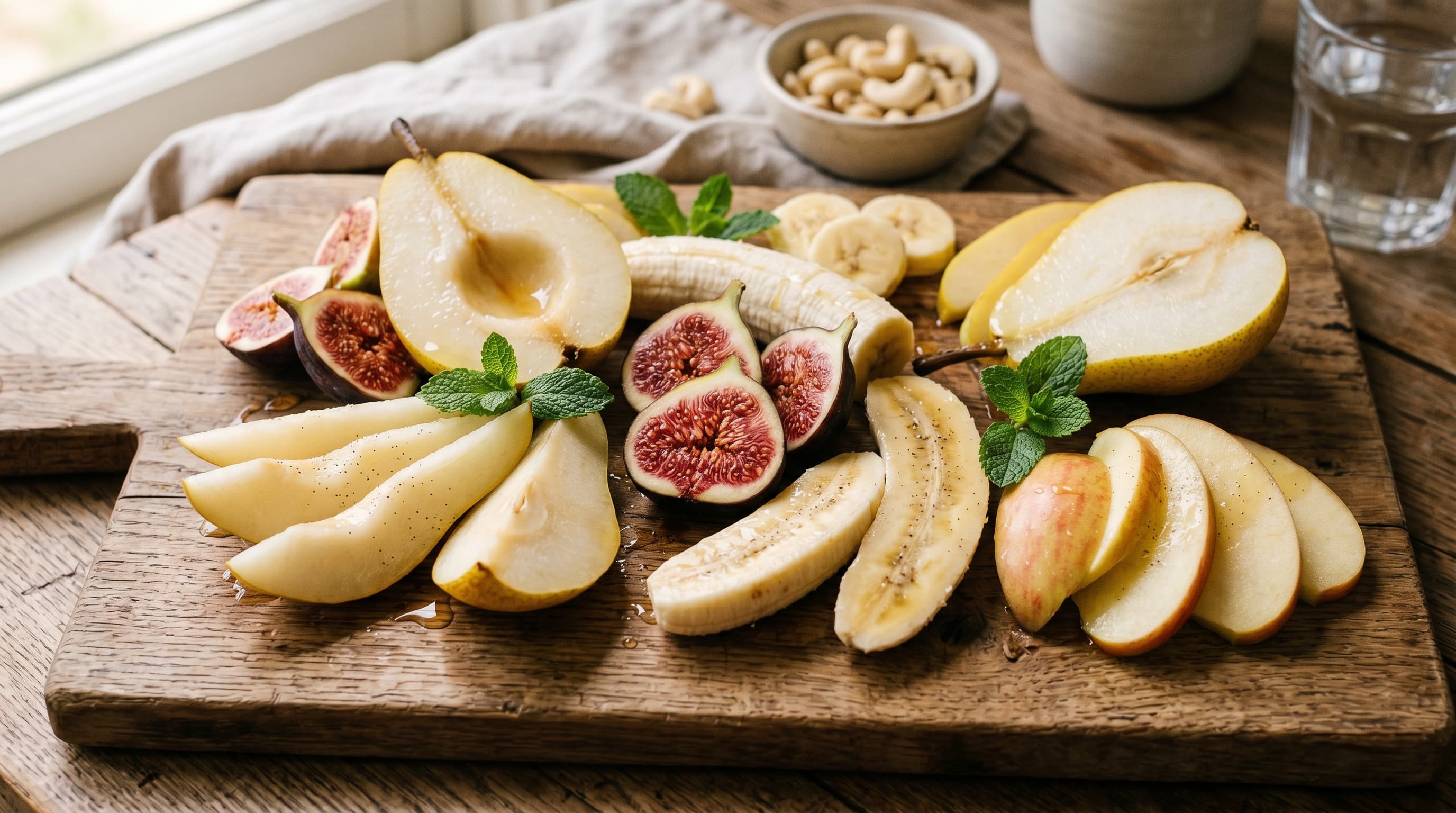
- Peeled Pear: Especially varieties like Bartlett or Williams. This is often considered the safest fruit for most salicylate-sensitive people, especially when peeled. It's incredibly low, usually less than 0.01 mg/100g.
- Banana: Make sure it's ripe, not green! Ripe bananas are around 0.04 mg/100g.
- Papaya (Pawpaw): A lovely tropical option at about 0.08 mg/100g.
- Peeled Golden Delicious Apple: Remember to *always peel* this one, as the skin holds most of the salicylates. It's about 0.08 mg/100g when peeled.
- Peeled Red Apple: Varieties like Fuji or Red Delicious, again, peeled, are generally safe, around 0.08–0.11 mg/100g.
- Fresh Fig: A wonderful, naturally sweet option at about 0.1 mg/100g. Just be sure it's fresh, not dried.
Pomegranate is a bit of a wildcard; it's moderate, so you might need to test it out in small amounts to see if it works for you.
Your Go-To Low Salicylate Fruit Swaps
Now that we know which fruits are generally safer, let's talk about how you can swap out those higher-salicylate favorites for equally delicious, gentle alternatives. It's easier than you might think to keep your meals vibrant and satisfying!
Instead of Strawberries, Try Banana Slices or Peeled Pear
Missing those sweet berries in your morning smoothie or on your cereal? Sliced ripe banana adds natural sweetness and a creamy texture, while diced peeled pear offers a refreshing crunch. They're both fantastic in smoothies, baked goods, or simply as a topping for oatmeal or dairy-free yogurt.
Instead of Mixed Berries, Try Peeled Pear + Banana
For smoothie bowls, parfaits, or a simple fruit salad, combining peeled pear and ripe banana gives you that satisfying mix of textures and flavors. You'll get the sweetness and creaminess from the banana and the crisp, juicy bite from the pear.
Instead of Orange or Orange Juice, Try Peeled Pear Juice or Pear Nectar
If you're craving a refreshing breakfast drink but need to avoid citrus, a smooth, natural pear juice or nectar can be a delightful alternative. You can even make your own at home to ensure there are no hidden ingredients.
Instead of Grapes, Try Peeled Golden Delicious Apple Slices
For snacking, lunchboxes, or adding to a salad, crisp slices of peeled Golden Delicious apple are a perfect stand-in for grapes. They offer a similar juicy crunch and mild sweetness, without the higher salicylate content. Just remember that important step: peel them first!
Instead of Cherries, Try Fresh Fig Halves
Cherries are lovely, but fresh figs offer a unique, honey-like sweetness and a tender texture that works beautifully in desserts, baked goods, or even on a cheese board (if you tolerate dairy). Halve them and enjoy their natural goodness.
Instead of Dried Fruit Mix (Trail Mix), Try Banana Chips + Peeled Pear Chips
Dried fruits are notorious for concentrating salicylates, but you don't have to miss out on crunchy, portable snacks. You can make your own banana chips or peeled pear chips at home by dehydrating them. This way, you control the ingredients and ensure they're salicylate-friendly. They're wonderful for a gentle trail mix or just on their own.
Instead of Pineapple, Try Papaya Chunks
If you love the tropical vibe of pineapple, give papaya a try! Its soft, buttery texture and sweet, musky flavor are fantastic in tropical-style dishes, fruit salads, or even blended into smoothies. It's a lovely way to bring an exotic twist to your low salicylate menu.
Instead of Berry Jam, Try Pear Butter or Pear Jam
Homemade pear butter or pear jam is a fantastic way to enjoy a spread on your toast or incorporate into desserts. By making it yourself, you can ensure it's made with peeled pears and doesn't contain any other high-salicylate ingredients or preservatives.
Instead of Raspberry Sauce, Try Poached Pear Puree
For a delicate, naturally sweet sauce to drizzle over desserts or pancakes, a smooth puree made from poached pears is simply divine. Poaching pears also makes them incredibly tender and can sometimes improve tolerance for sensitive individuals.
Instead of Kiwi, Try Banana
In fruit salads or as a topping, sliced banana can easily replace kiwi, offering a similar soft texture and sweet flavor without the higher salicylate content. It's a simple swap that keeps your fruit dishes safe and enjoyable.
Instead of Apricot, Try Peeled Pear Halves
In baking, compotes, or simply stewed, peeled pear halves are a comforting and versatile substitute for apricots. They absorb flavors beautifully and provide a wonderful tender texture.
Smart Strategies for Enjoying Salicylate-Friendly Fruits
Beyond knowing your swaps, there are some clever strategies you can use to make your fruit experiences even safer and more enjoyable:
1. Always Peel Fruits
This is a big one! The skin of most fruits contains the highest concentration of salicylates. Peeling apples, pears, and even some stone fruits significantly reduces your exposure. It's a simple step that makes a huge difference.
2. Choose Ripe Over Unripe
When it comes to bananas and pears, opting for fully ripe fruits is generally safer. Underripe varieties may have different chemical profiles that could be less tolerated by sensitive individuals.
3. Cook Fruits
While cooking doesn't magically eliminate salicylates, it can sometimes improve tolerance for some people by breaking down other compounds that might be irritating. Poached pears are a classic low-salicylate dessert for a reason – they're delicious and gentle!
4. Avoid Concentrated Forms
Remember how we talked about dried fruits and juices? They're super concentrated sources of salicylates. It's best to stick to fresh, whole fruits whenever possible to keep your salicylate intake low.
5. Eat Fresh, Not Processed
Canned fruits, especially those in syrup or with added flavorings, might contain extra salicylates from preservatives or artificial flavors. Fresh is always best when you're managing sensitivities.
6. Test Individually
Everyone's sensitivity threshold is unique. What works for one person might not work for another. Keep a food diary to track what you eat and how you feel. This will help you pinpoint your personal tolerance levels for moderate-salicylate fruits and fine-tune your diet.
Whipping Up Wonderful Low Salicylate Fruit Dishes
Embracing low salicylate fruits doesn't mean sacrificing deliciousness! We've got some lovely GentleFeast recipes that highlight these friendly fruits, showing you just how comforting and satisfying they can be.
Our German Baked Bananas with Creamy Rice Pudding is a perfect example. It features tender, baked bananas, chosen specifically for their low salicylate profile, served alongside a rich, creamy rice pudding. It's a gentle, warming dessert that truly celebrates the simplicity and sweetness of a safe fruit.
And if you're a fan of comforting bakes, you'll adore our Peeled Pear and Oat Crumble. This dish takes tender peeled pears, gently simmers them, and bakes them under a buttery oat and flour crumble topping. It offers natural sweetness and warmth, adhering beautifully to low salicylate requirements. It's proof that a restricted diet can still be incredibly indulgent.
Making it Mediterranean-Friendly
You might be wondering how these swaps fit into a broader healthy eating pattern, like the Mediterranean diet. The good news is, they fit beautifully! The Mediterranean lifestyle champions whole, unprocessed foods, and even with salicylate sensitivity, you can adapt it to your needs.
Peeled pears and ripe bananas, along with other low-salicylate vegetables like cabbage and celery, can form the basis of a gentle, anti-inflammatory diet. While many powerful anti-inflammatory foods like berries and olive oil are high in salicylates, research into anti-inflammatory compounds, like that explored in various studies, shows that foods such as peeled pears, bananas, and even sunflower oil, can contribute to a gentle approach. It's all about finding *your* version of healthy and delicious.
Putting It All Together: Your Practical Takeaways
So, what's the big picture here? It's all about empowerment and delicious discovery! You've got a fantastic lineup of low salicylate fruit options, like peeled pears, ripe bananas, papaya, and peeled apples, ready to become your new kitchen staples.
Remember to always peel your fruits, choose ripe varieties, and be mindful of concentrated forms like juices and dried fruits. Experiment with the swaps we've talked about, and don't forget to listen to your body – your food diary is your best friend on this journey.
You're doing great, and a little planning goes a long way. You absolutely can enjoy a diverse and delicious diet while managing salicylate sensitivity. It just takes a little knowledge and a lot of creativity!
Why not try whipping up a simple poached pear for dessert tonight? It's a comforting, safe, and truly delightful way to embrace your new fruit friends. Happy eating!
Which foods are behind your symptoms?
A free 60-second check to help you narrow it down — plus recipes matched to what works for your body.
Find my food triggers