High Histamine Foods to Avoid and Their Low Histamine Alternatives
Feeling unwell after certain foods? It might be histamine! I've explored which high histamine foods to avoid and found delicious, low-histamine alternatives to help you feel your best.
High Histamine Foods to Avoid and Their Low Histamine Alternatives
It's incredibly frustrating, isn't it? You're trying your best to eat well, but sometimes certain foods just don't sit right, leaving you feeling uncomfortable, achy, or just generally unwell. If you've been experiencing symptoms like headaches, skin rashes, digestive upset, or even a racing heart after meals, you might be wondering if histamine could be playing a role. The good news is, you're not alone, and understanding which high histamine foods to avoid can make a huge difference.
I've been looking into this for a while, and I want to share what I've learned about navigating a low-histamine approach to eating. It's all about making informed choices that help your body feel its best, and it's actually simpler than it sounds once you get the hang of it. Let's dive in and explore how you can find more comfort and joy in your meals!
What's the Deal with Histamine Anyway?
So, what exactly is histamine? Think of it as a natural chemical that your body makes, and it's also found in many foods. It's a bit like a messenger, playing important roles in your immune system, digestion, and even your brain function. It helps your body respond to allergens, protects you from invaders, and even helps your stomach make acid.
For most people, histamine isn't a problem. Your body has a wonderful enzyme called Diamine Oxidase (DAO) that's responsible for breaking down any excess histamine you get from food. But for some of us, our DAO enzyme might not be working as efficiently as it should, or we might simply be consuming more histamine than our bodies can comfortably handle. When that happens, histamine can build up, and that's when those uncomfortable symptoms can pop up. It's not an allergy, but more like an intolerance to an overload of this natural chemical.
Foods That Can Make You Feel Unwell: High Histamine Culprits
When you're trying to reduce your histamine intake, knowing which foods tend to be higher in histamine is your first step. It's not about cutting out everything forever, but about understanding potential triggers. Histamine levels in food tend to increase with aging, fermentation, and improper storage.
Here are some of the common foods that are often high in histamine:
- Fish: This is probably the highest-risk category, especially fish that isn't super fresh. Things like tuna, mackerel, sardines, anchovies, and mahi-mahi are particularly known for high histamine levels, especially if they haven't been handled perfectly. If fish smells 'fishy,' that's a big red flag for histamine buildup.
- Cured and Smoked Meats: Think of all those delicious cured meats like salami, pepperoni, prosciutto, bacon, and hot dogs. The curing and smoking processes, which often involve fermentation, tend to boost histamine levels.
- Aged and Fermented Dairy: This includes most of your favorite cheeses like cheddar, parmesan, gouda, blue cheese, brie, camembert, feta, gruyere, and swiss. Also, fermented dairy products like yogurt, kefir, sour cream, and buttermilk are typically high in histamine.
- Fermented Soy Products: Items like soy sauce, tamari, and natto are made through fermentation, which means they're often high in histamine.
- Certain Vegetables: Some veggies, particularly when they're not at their freshest or if they're fermented, can be problematic. This list includes tomatoes, spinach, eggplant (aubergine), avocado, sauerkraut, pickled vegetables, canned vegetables, olives, and mushrooms.
- Alcoholic Beverages: Especially red wine, champagne, and beer, because of their fermentation process and potential for bacterial contamination.
- Chocolate and Cocoa: Sadly, these can also be histamine liberators for some people.
More Than Just High Histamine: Liberators and DAO Blockers
It's not just about the histamine *in* the food. Some foods can actually trigger your body to *release* its own stored histamine, or they can interfere with that helpful DAO enzyme that breaks histamine down. It's a bit of a double-whammy!
Histamine Liberators
These foods don't necessarily contain a lot of histamine themselves, but they can tell your body to release what it's already got stored up:
- Citrus fruits: Oranges, lemons, grapefruit.
- Strawberries
- Tomatoes and Spinach (yes, they can be high in histamine *and* liberators!)
- Egg whites
- Shellfish
- Certain food additives: Things like sulfites, benzoates, and tartrazine.
DAO Blockers
Remember that wonderful DAO enzyme? Some substances can actually block it from doing its job, meaning even a moderate amount of histamine can become a problem:
- Alcohol: Again, especially red wine and beer.
- Black tea and green tea
- Energy drinks
- Some medications: This is really important to know and discuss with your doctor, as certain NSAIDs, antibiotics, and antidepressants can interfere with DAO.
Freshness is Your Superpower: Smart Storage and Handling
This is where you can truly take control! Here's a really important piece of information: histamine cannot be destroyed by cooking, freezing, or canning once it has formed. That's why prevention is absolutely key. Focusing on freshness is your best strategy.
Practical Guidelines for Keeping Histamine Low
- Buy fresh, cook immediately: The quicker you cook something after it's caught or harvested, the better. Try to purchase meat and fish the day you plan to cook it.
- Go for flash-frozen: If you can't get it super fresh, flash-frozen is often your best friend for fish and meat. When fish is frozen at sea or immediately after catch, it locks in those low histamine levels.
- Thaw safely: Always thaw frozen items in the refrigerator, not at room temperature. Cook them immediately after they're thawed, and never refreeze.
- Avoid leftovers or freeze them immediately: This is a big one! Cooked food left at room temperature for even a couple of hours can accumulate significant histamine. If you absolutely need to save leftovers, portion them out and freeze them within 30 minutes of cooking.
- Choose fresh over canned: Fresh or frozen vegetables and fruits generally have much lower histamine levels than their canned or jarred counterparts.
Embracing Delicious Low-Histamine Alternatives
Now for the really good news! You don't have to feel deprived. There are so many wonderful, delicious foods that are naturally low in histamine and can help you feel fantastic. It's all about shifting your focus and discovering new favorites.
Low-Histamine Food Heroes
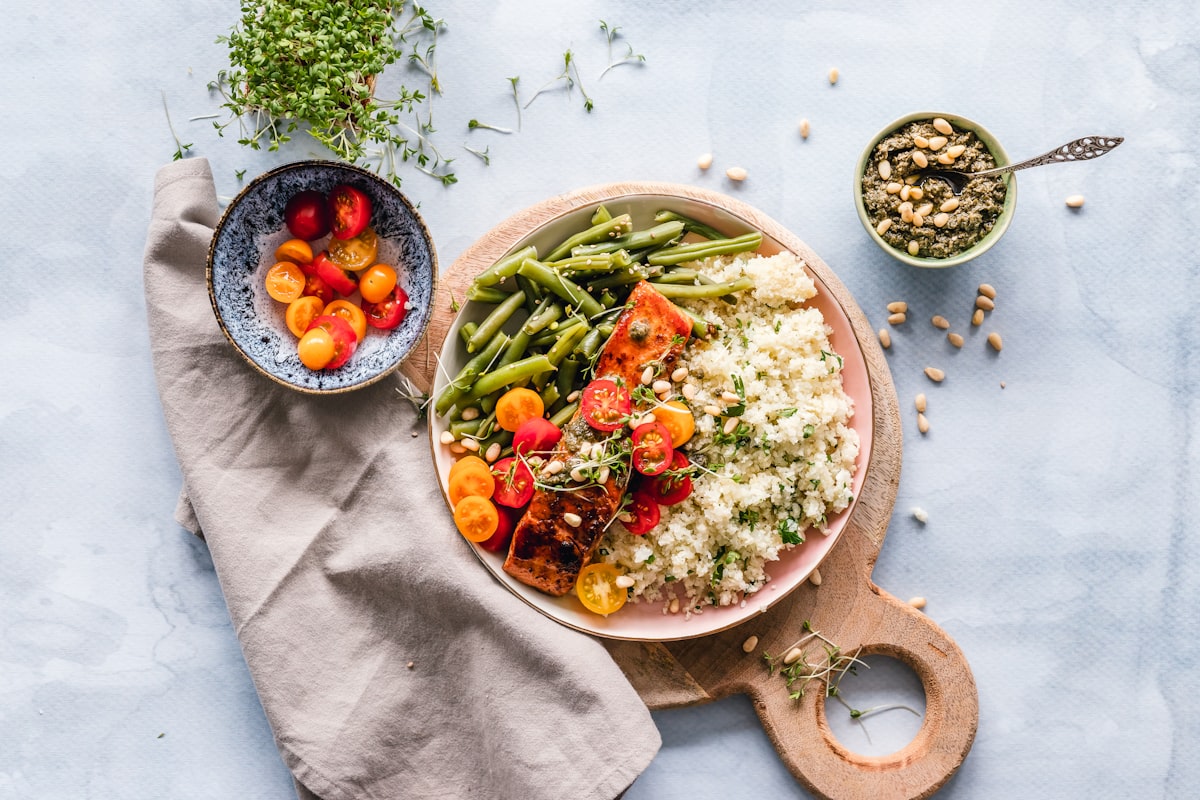
- Fresh Fish: Look for freshly caught or flash-frozen white fish like cod, pollock, trout, plaice, hake, or other whitefish. They're excellent sources of lean protein and can be incredibly satisfying.
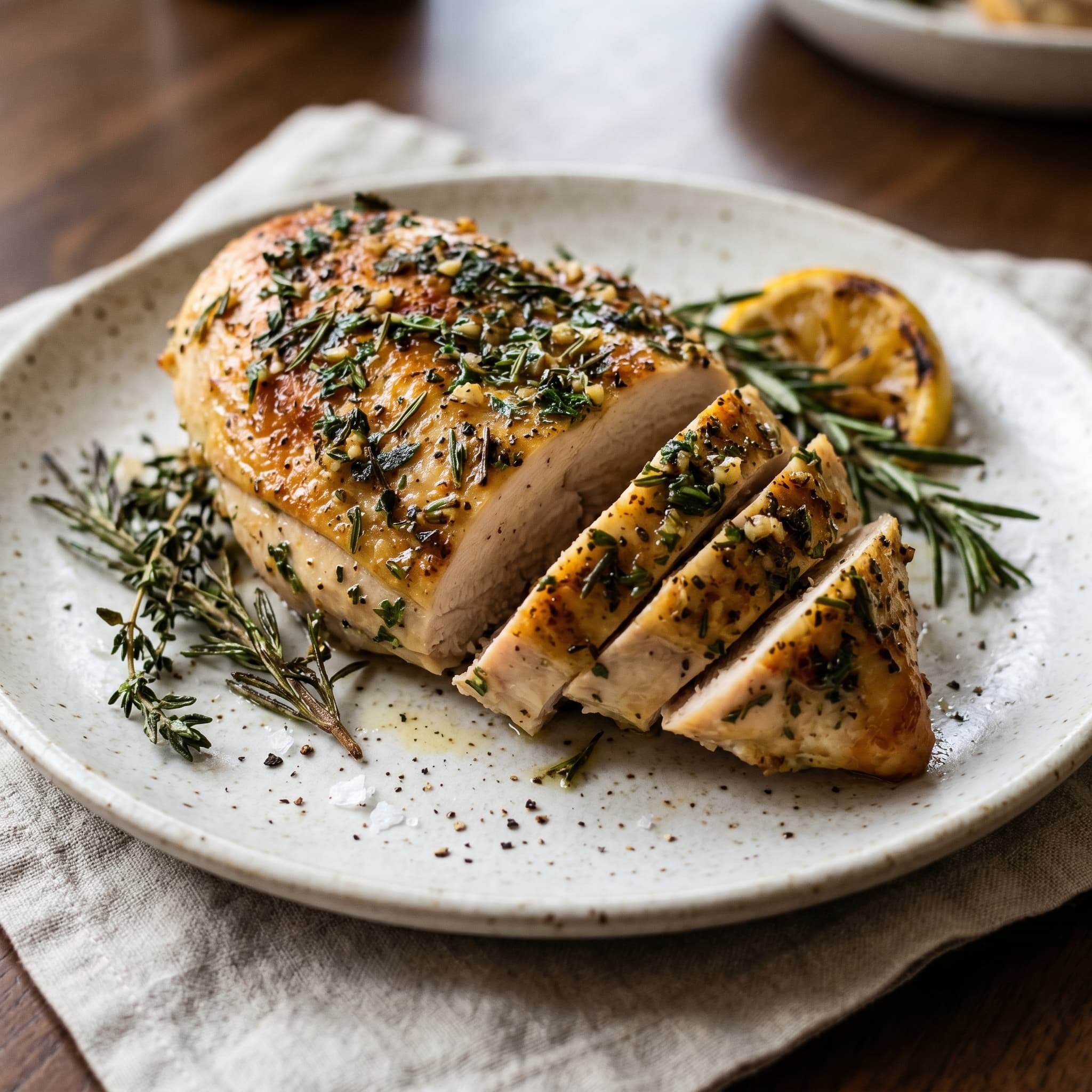
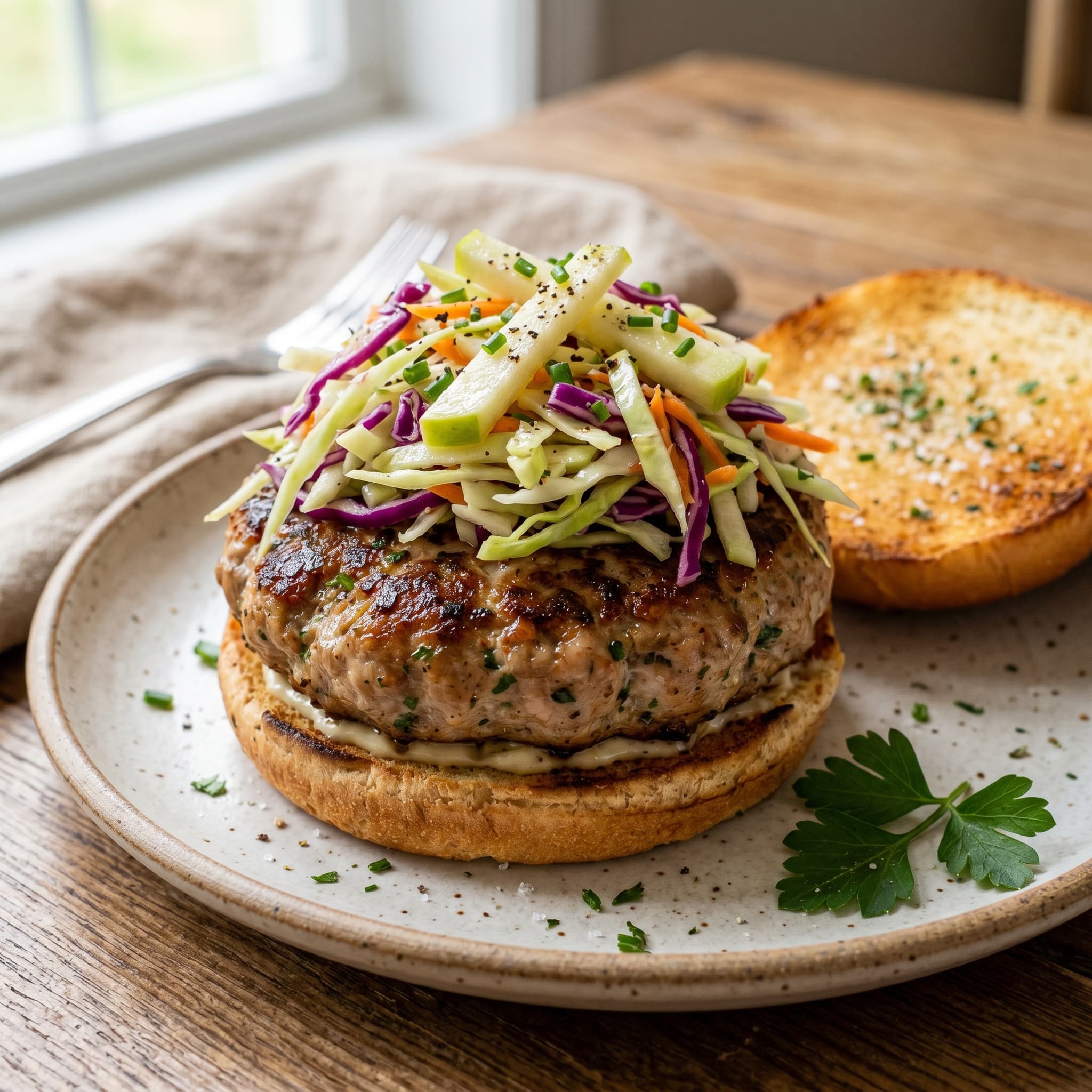
- Fresh Meats: Freshly cooked chicken, turkey, beef, and lamb are usually well-tolerated. Just make sure they're not processed or cured.
- Fresh Dairy: Enjoy fresh milk, fresh cream, butter (uncultured), and fresh cheeses like cream cheese, cottage cheese, ricotta, mascarpone, fresh mozzarella, and paneer. Fully cooked eggs are also usually fine.
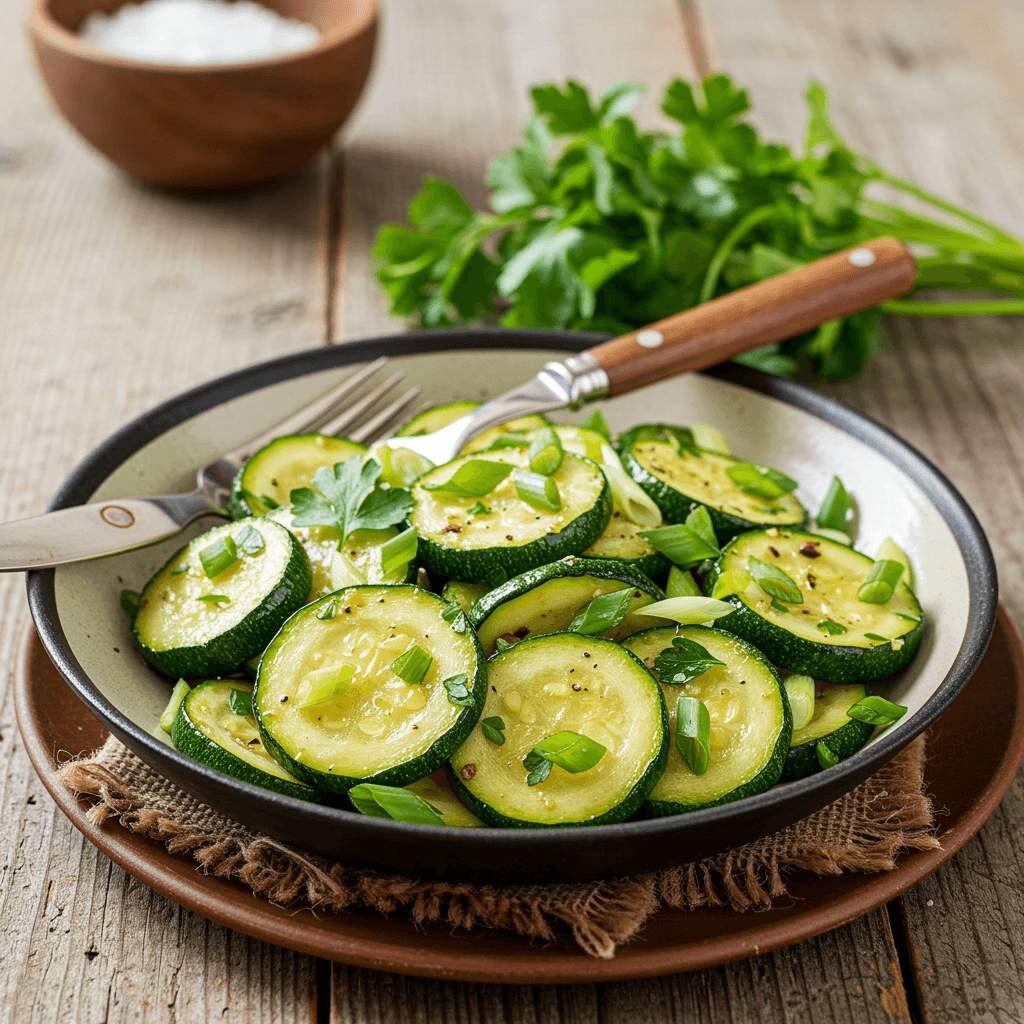
- A Rainbow of Vegetables: You've got so many options here! Think asparagus, beets, broccoli, Brussels sprouts, fresh cabbage, carrots, cauliflower, cucumber, corn, fresh garlic (in moderation), green beans, kale, lettuce (all varieties), onion, bell peppers, potatoes, sweet potatoes, zucchini, and squash.
- Sweet Fruits: Apples and blueberries are generally considered low histamine and are packed with goodness.
- Healthy Fats: Extra virgin olive oil and avocado oil are excellent choices.
- Grains: Rice, quinoa, millet, and oats are usually good options.
- Herbs and Spices: Fresh herbs like parsley, rosemary, thyme, and basil can add so much flavor. Spices like ginger, fresh garlic, turmeric, cinnamon, and clove are not only low histamine but also bring wonderful anti-inflammatory benefits to your plate.
Putting it into Practice: GentleFeast Kitchen Inspiration
It's one thing to read about low-histamine foods, and another to actually create delicious meals! The key is to embrace freshness, quick cooking, and simple, vibrant ingredients. At GentleFeast, we're all about making this easy and enjoyable for you.
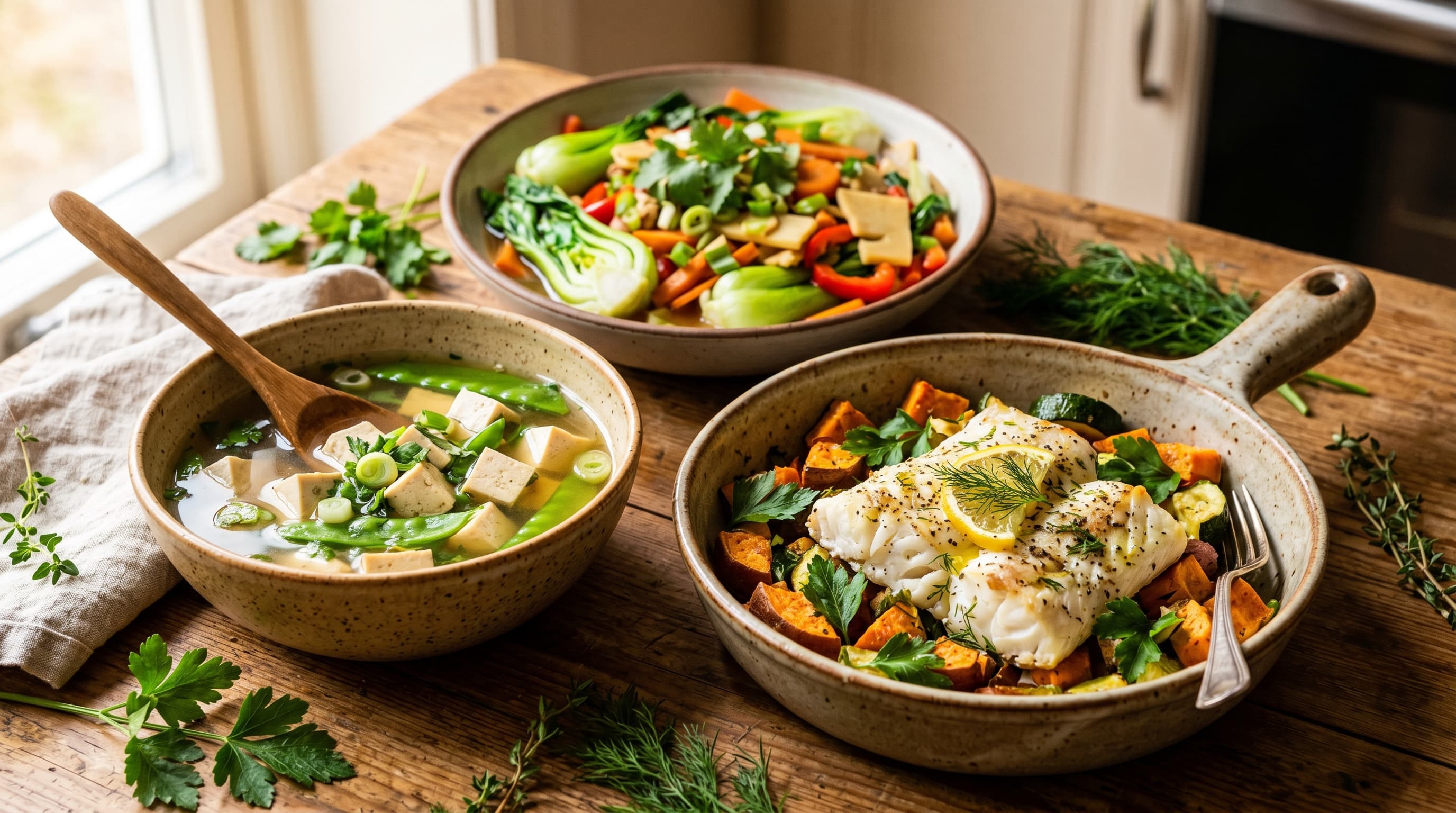
For example, our Vibrant Low-Histamine Vegetable Stir-fry is a fantastic way to enjoy a variety of fresh, crisp vegetables like snow peas, bok choy, and carrots, all quickly cooked to preserve their low histamine levels. It's a plant-based powerhouse that's ready in a flash.
If you're craving fish, you'll love our Pan-Seared White Fish with Roasted Sweet Potatoes and Zucchini. It features flaky, flash-frozen cod, paired with tender roasted sweet potatoes, zucchini, carrots, and broccoli, seasoned with fresh parsley, rosemary, and thyme. It's a simple, wholesome meal that prioritizes freshness from start to finish.
And for something truly comforting, try our Soothing Low Histamine Tofu & Vegetable Broth with Rice. This light, clear broth soup uses delicate silken tofu and fresh vegetables like snow peas and baby bok choy, gently seasoned. It's designed for immediate preparation and quick cooking, making it ideal for sensitive diets.
These recipes aren't just lists of ingredients; they're examples of how you can cook with confidence, knowing you're nourishing your body with delicious, low-histamine options. They emphasize speed, fresh ingredients, and minimal processing – all the principles that help keep histamine levels down.
Finding Your Feast of Comfort
I know that navigating food sensitivities can sometimes feel overwhelming, like you're constantly trying to figure out what's safe and what isn't. But I truly believe that with a little knowledge and some creative cooking, you can absolutely find a way to eat that feels good and brings you joy. You're not just avoiding foods; you're discovering new, delicious ones that support your well-being.
Remember, this journey is about listening to your body and finding what works best for *you*. Don't feel like you have to be perfect; every small step you take towards understanding your body's needs is a victory. Let's start with one simple change this week: try incorporating one new flash-frozen fish or a new fresh vegetable from our low-histamine list into your meals. You've got this, and I'm here cheering you on!
Which foods are behind your symptoms?
A free 60-second check to help you narrow it down — plus recipes matched to what works for your body.
Find my food triggers