The Definitive Printable Low Histamine Food List
Feeling lost with histamine intolerance? This guide breaks down what to eat and what to avoid, focusing on freshness and delicious, compliant options. You'll find clarity and hope for managing your symptoms!
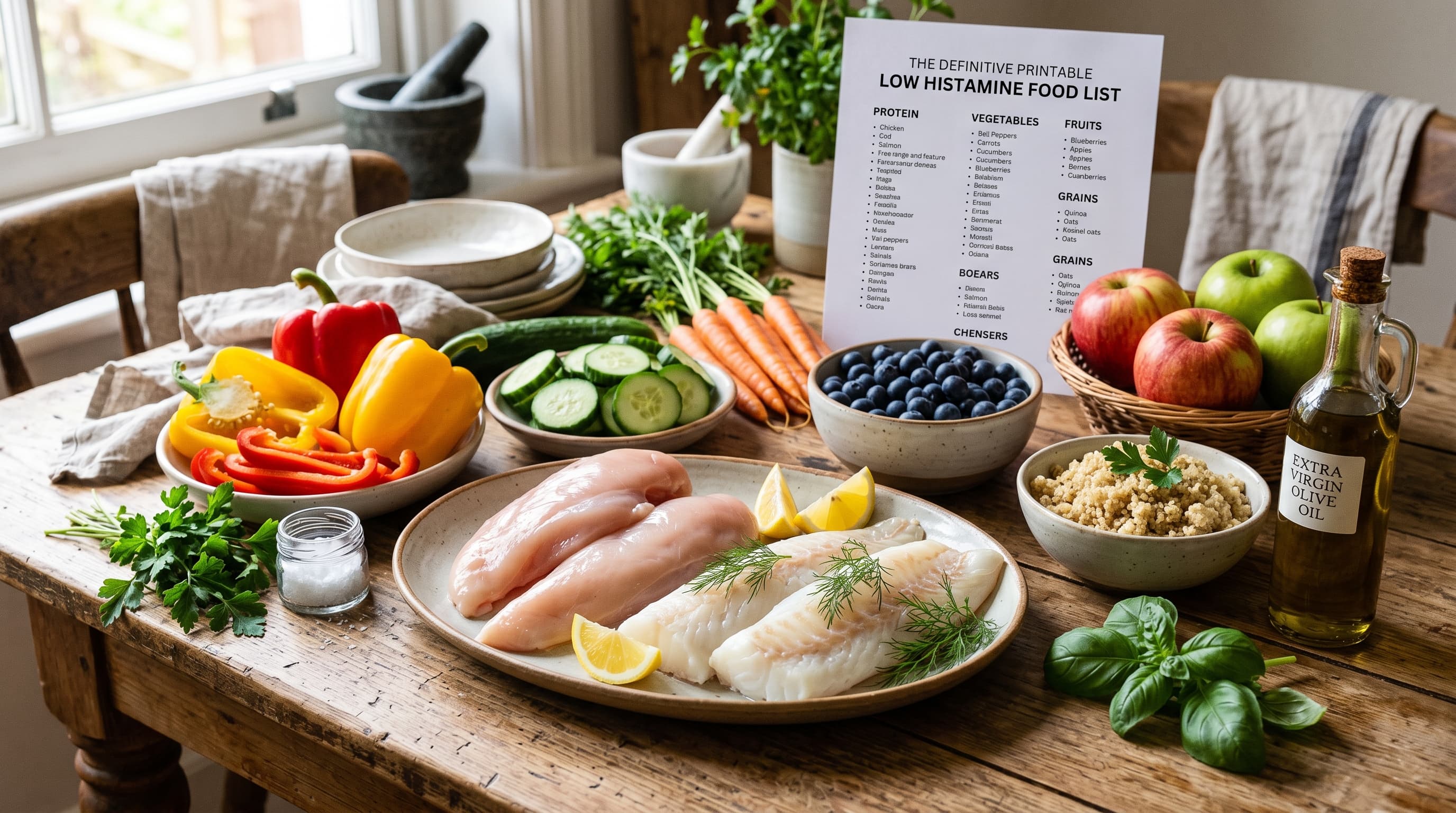
Navigating Your Plate: A Printable Guide to Low Histamine Foods
Dealing with food sensitivities can feel incredibly isolating and confusing, can't it? Especially when you're trying to figure out what's causing those frustrating histamine reactions – the headaches, the skin issues, the gut discomfort. It's like everyone has a different list, and you're left wondering what you can *actually* eat without worry.
I hear you, and I've been looking into this for us. The good news is, while it might seem tricky at first, understanding a low histamine approach is totally doable. Let's create some clarity together and get you back to enjoying your meals with confidence!
Feeling Overwhelmed by Histamine Intolerance? You're Not Alone
It's completely normal to feel a bit lost when you're first learning about histamine intolerance. It's not an allergy, and it's not always straightforward. Essentially, it happens when your body has more histamine than it can handle, often because you're not making enough of a special enzyme called DAO (diamine oxidase) that helps break it down. Or, sometimes, you're simply taking in too much histamine from your food.
This imbalance can lead to a whole host of symptoms that can really impact your day-to-day life. But here's the hopeful part: by making mindful food choices, you can often make a big difference in how you feel!
The Fresher, The Better: Why Freshness is Your Golden Rule
If there's one thing I want you to take away from our chat today, it's this: **freshness is absolutely key** when you're managing histamine intolerance. Histamine levels in food tend to increase as food ages or ferments, so timing matters a lot.
- **Meat, Poultry, and Fish:** This is super important here. When you buy fresh meat, poultry, or fish, plan to cook it right away. If you can't, pop it straight into the freezer to halt that histamine build-up. The same goes for leftovers – freeze them immediately after cooking, rather than keeping them in the fridge for days.
- **Produce:** Aim for the freshest fruits and veggies you can find. Local farmers' markets can be a wonderful resource!
Your Go-To Low Histamine Food List: Delicious Options
This is where we focus on all the wonderful foods you *can* enjoy! Remember, everyone's body is unique, so think of this as a helpful starting point. We're aiming for fresh, unprocessed ingredients that are generally well-tolerated.
Proteins to Prioritize
When it comes to protein, think lean and fresh. Freshness really is your superpower here!
- **Freshly Caught or Flash-Frozen Fish:** Opt for white fish like cod, haddock, trout, or sole. They're generally considered safe.
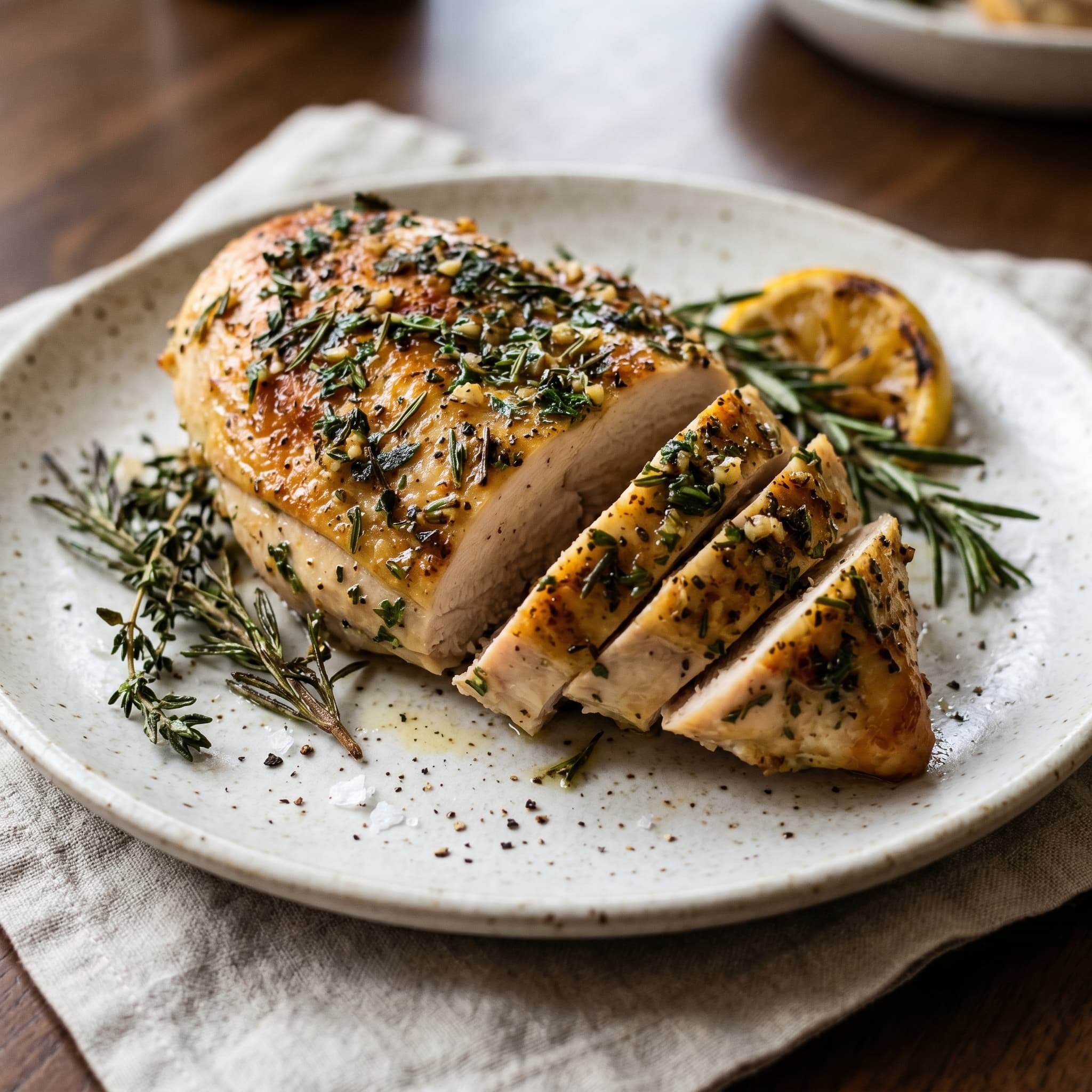
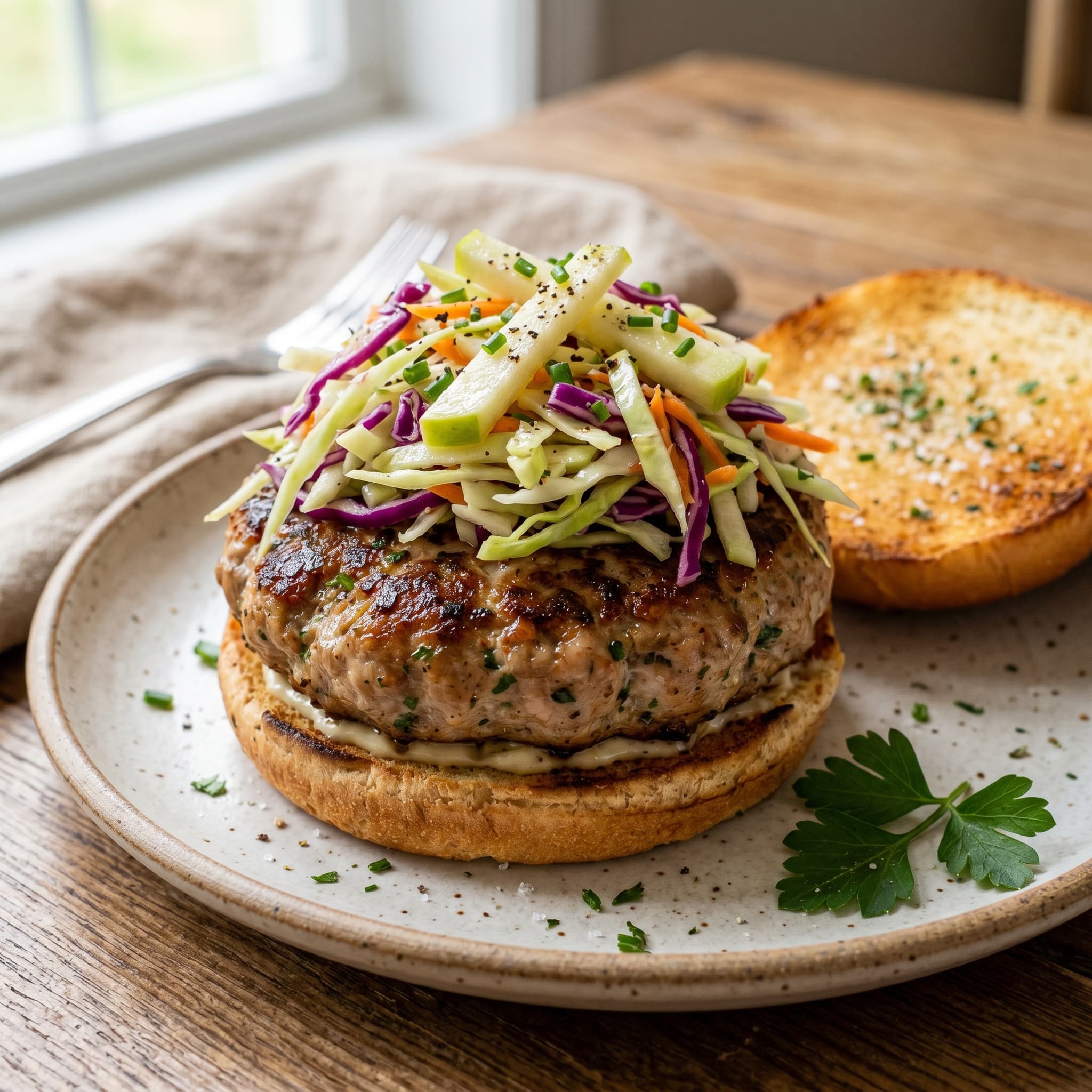
- **Fresh or Rapidly Frozen Unprocessed Poultry and Meat:** Chicken, turkey, beef, and lamb are great choices. Just be sure they're fresh or frozen quickly after purchase.
- **Eggs:** Fresh eggs are usually well-tolerated and a fantastic source of protein.
- **Tofu:** Silken or firm tofu, especially if it's fresh and hasn't been sitting around, can be a great plant-based option. Our Low Histamine Tofu Scramble with Herbs and Vegetables is a delicious way to enjoy it!
Dairy and Dairy Alternatives
The aging process is a big factor with dairy, so we're leaning towards the younger, fresher options.
- **Fresh, Unripened Cheeses:** Think mozzarella, cottage cheese, ricotta, mascarpone, and cream cheese. These haven't had time to build up high histamine levels.
- **Fresh Milk:** Cow's milk, goat's milk, or sheep's milk can be fine for some, if tolerated.
- **Plant-Based Milks:** Many unsweetened plant milks like rice milk, coconut milk, or almond milk (if you tolerate nuts) are good alternatives.
Fruits and Vegetables for Your Plate
Load up on these vibrant, fresh choices!
- **Fresh Fruits:** Apples, pears (peeled if sensitive to salicylates), mango, grapes, melon, cherries, and blueberries are often well-tolerated. Blueberries, in particular, are usually considered safe, although a few people might find them tricky. You'll find them in our Fresh Herb Quinoa Salad.
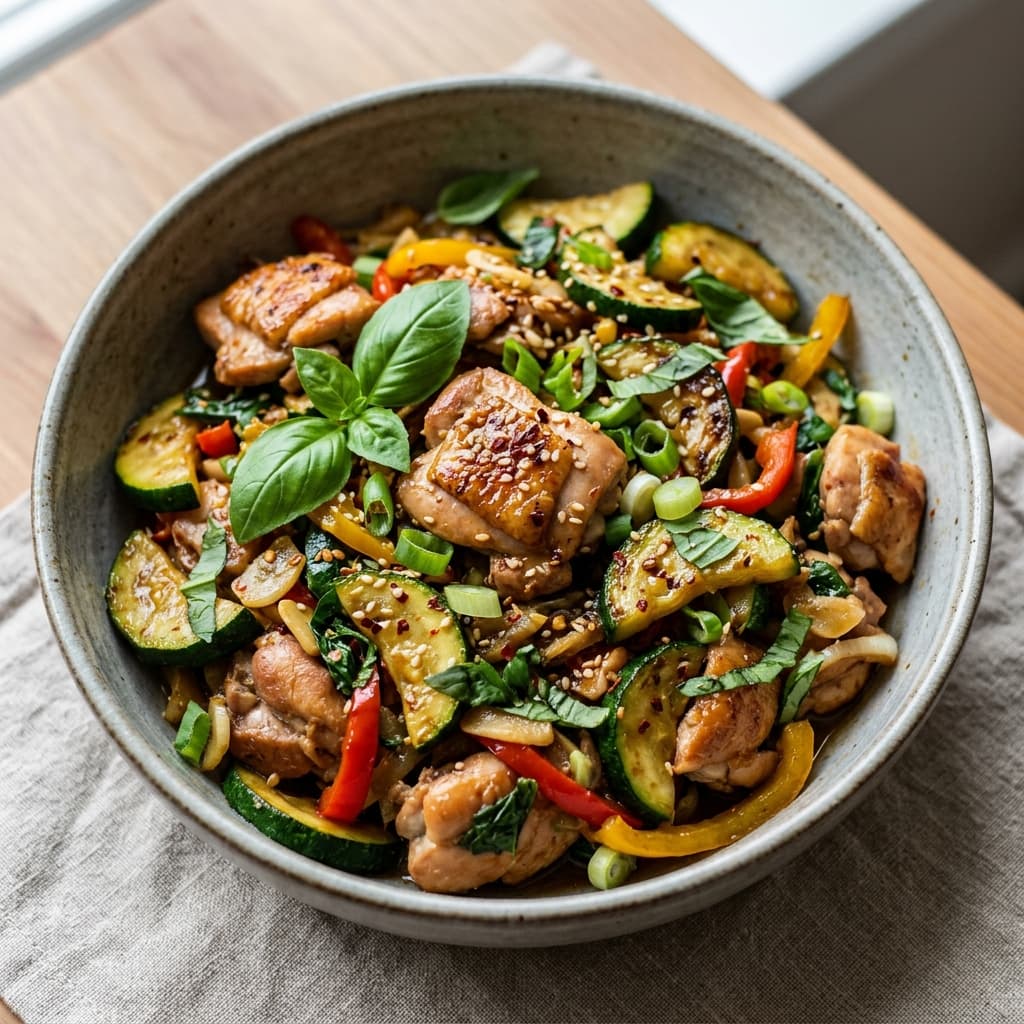
- **Fresh Vegetables:** Broccoli, cauliflower, carrots, zucchini, cucumber, bell peppers (especially green), leafy greens like romaine lettuce, kale, and bok choy are all great. Our Herbed Rice Patties with Fresh Fruit Salad showcases some wonderful fresh produce!
Grains and Starches
Simple, unprocessed grains are generally a safe bet.
- **Rice:** White or brown rice, rice noodles.
- **Quinoa:** A fantastic, nutrient-dense grain that's often well-tolerated. We love it in our Fresh Herb Quinoa Salad.
- **Corn:** Corn tortillas, fresh corn.
- **Oats:** Plain oats (check for gluten-free if needed).
- **Potatoes and Sweet Potatoes:** Versatile and nourishing.
Fats and Oils
Choose healthy fats that are less likely to cause issues.
- **Extra Virgin Olive Oil:** A staple in Mediterranean-adapted eating and a great anti-inflammatory choice.
- **Coconut Oil:** Good for cooking.
- **Avocado Oil:** Another excellent option.
Herbs and Spices
Flavor your food with fresh herbs and specific spices!
- **Fresh Herbs:** Parsley, thyme, basil, oregano, rosemary, chives, mint. Rosemary and thyme even contain compounds that help reduce inflammation.
- **Spices (in moderation):** Ginger (great for gut health!), garlic, turmeric, cinnamon, clove. These are also known for their anti-inflammatory properties.
- **Salt:** Sea salt, pink Himalayan salt.
Foods to Approach with a Little Extra Care
Some foods aren't necessarily 'bad' but might accumulate histamine faster or have conflicting information. It's about listening to your body here!
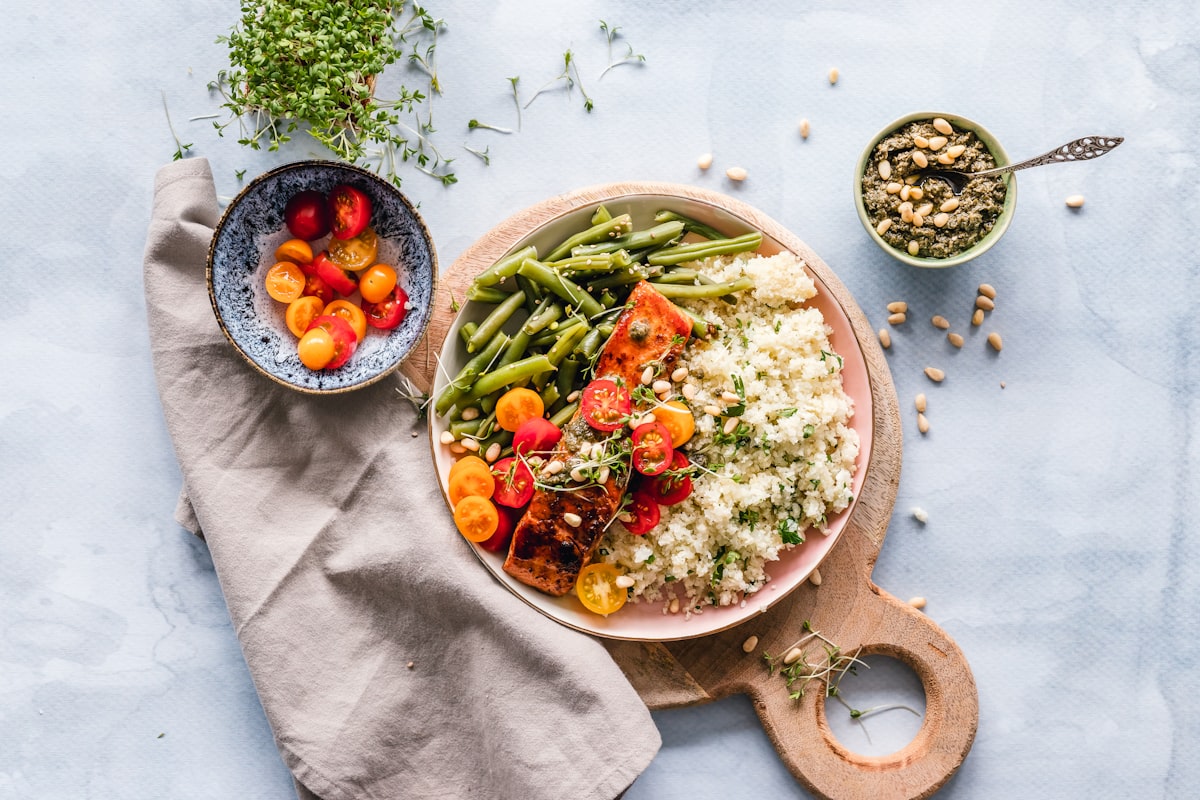
- **Oily Fish (like Salmon or Tuna):** While incredibly healthy, some sources suggest they can accumulate histamine faster than white fish. Others say fresh salmon is safe. This is definitely a 'test and see' category for yourself. If you do try them, make sure they are *super* fresh or flash-frozen.
- **Spinach:** While nutritious, some sources suggest it can be higher in histamine. Again, personal tolerance is key.
- **Blueberries:** As I mentioned, most databases say they're safe, but a small group of people might react. It's good to be aware.
Foods to Gently Avoid (for now)
These are the foods that are generally considered high in histamine or histamine liberators. Reducing or avoiding them for a period can often bring significant relief.
- **Fermented Foods:** Sauerkraut, kimchi, kombucha, vinegar (and foods made with vinegar like pickles), soy sauce.
- **Aged Cheeses:** Parmesan, cheddar, gouda, Swiss, blue cheese – basically, any cheese that's been aged.
- **Cured and Smoked Meats:** Salami, bacon, ham, sausages, hot dogs, smoked fish, dry-aged steaks.
- **Canned Fish:** Canned tuna, sardines, anchovies.
- **Leftovers (especially meat/fish):** Histamine builds up quickly in the fridge, so freezing immediately is a better option.
- **Alcohol:** Especially red wine, beer, and champagne.
- **Certain Vegetables:** Eggplant, tomatoes, avocado (some people tolerate small amounts, but it's often listed as higher histamine).
- **Citrus Fruits:** Oranges, lemons, limes (can be histamine liberators for some).
- **Bone Broth:** While often praised for gut health, the long cooking process can make it very high in histamine, so it's usually best to steer clear.
Beyond the Plate: Lifestyle and Gut Health Support
Managing histamine isn't just about what's on your plate; it's also about supporting your body's overall wellness, especially your gut! Did you know that a high FODMAP diet can actually activate mast cells and release histamine? So, sometimes, a low FODMAP approach can even help reduce histamine levels.
- **Fiber-Rich Foods:** Getting enough fiber (around 25g for women, 38g for men) is wonderful for your gut microbes. Look for fiber in your tolerated grains, fruits, and vegetables.
- **Anti-Inflammatory Choices:** Foods like extra virgin olive oil, fresh salmon (if tolerated), blueberries, apples, and broccoli are known for their anti-inflammatory properties.
- **Gut-Friendly Habits:** Try to avoid ultra-processed foods, artificial sweeteners, and emulsifiers, as these can disrupt your gut barrier and microbiome.
- **Stress Management:** Stress can impact your gut and immune system, so finding ways to relax is really important.
Putting It All Together: Your Next Steps
I know this might seem like a lot of information, but you're doing great just by seeking to understand more. The goal isn't to be perfect, but to find a sustainable way to feel better.
Here's a practical idea: why not print this list out or save it to your phone? Keep it handy when you're grocery shopping or planning your meals. Start by focusing on adding more of the 'safe' foods you love, and slowly reduce the 'avoid' foods. You'll begin to notice what works best for *your* body.
You've got this, and I'm here cheering you on every step of the way!
Which foods are behind your symptoms?
A free 60-second check to help you narrow it down — plus recipes matched to what works for your body.
Find my food triggers