Mastering Flavor: Essential Cooking Techniques for a Low Sulfur Diet
Feeling overwhelmed by a low sulfur diet? I'm here to show you how simple cooking adjustments can make a huge difference in creating delicious, comfortable meals. Let's explore gentle cooking methods and smart seasoning choices together!
Mastering Flavor: Essential Cooking Techniques for a Low Sulfur Diet
Feeling frustrated by dietary restrictions, especially when it comes to cooking delicious meals? I totally get it. Trying to navigate a low sulfur diet can feel like you're walking a culinary tightrope, constantly worried about hidden ingredients or cooking methods that might not agree with you. It's a genuine challenge, and you're absolutely not alone in that struggle. But here's the really good news: it's absolutely possible to create vibrant, flavorful dishes that truly support your well-being and make you feel good. Let me show you how your cooking choices can make all the difference.
Unpacking Sulfur: Why Your Cooking Choices Make a Difference
So, let's chat about sulfur for a moment. It's actually a natural and really important element, essential for so many bodily functions. You'll find it in amino acids, vitamins, and even antioxidants. But for some of us, especially if you have particular sensitivities or metabolic considerations, consuming too much sulfur, or certain forms of it, can lead to uncomfortable symptoms. It's like your body is saying, 'Whoa, that's a bit much for me right now!'
Sulfur shows up in a lot of foods you might not even realize. Think about those pungent alliums like garlic and onions, or even some of your favorite cruciferous vegetables like broccoli and cabbage. Eggs, certain dairy products, and even some protein sources can be significant contributors. It's not about these foods being 'bad,' it's just about understanding how they interact with your unique system.
The really interesting part is how cooking plays such a big role in all of this. Heat can change the chemical structure of sulfur compounds, and water can actually help leach them out of food. This means that with a few smart adjustments in the kitchen, we can actually modify the sulfur content of our meals. The good news is, by understanding how sulfur behaves during preparation, we can use clever low sulfur cooking methods to make our meals much more comfortable and enjoyable for you, without sacrificing taste or variety!
The Cleansing Power of Water: Soaking and Boiling
When we're talking about reducing sulfur in your food, water is truly one of your best friends in the kitchen. It has this incredible power to draw out and dissolve compounds, and we can totally use that to our advantage!
Let's start with soaking, especially when you're preparing legumes like beans or lentils. These can sometimes be higher in sulfur compounds, but a good soak can make a world of difference. You simply cover them with plenty of fresh water and let them sit for several hours, or even overnight. Then, you'll want to discard that soaking water before you cook them. Why? Because many of those problematic compounds, including some sulfur ones, have leached into the water. Research out of Monash University, for instance, often highlights how soaking can reduce problematic compounds like FODMAPs, and this principle applies beautifully to sulfur as well. It's a simple step that can really improve your digestive comfort.
Then there's boiling, which is another fantastic way to reduce sulfur in certain vegetables. This technique works by submerging your food in hot water, allowing those sulfur compounds to dissolve and leach out. The key here is to always, always discard the cooking water afterwards. Don't use it for sauces or broths if you're trying to keep sulfur low, because that's where the compounds have gone! This method is particularly helpful for vegetables that tend to be higher in sulfur, like cabbage or even potatoes. If you're carefully reintroducing some cruciferous veggies, a quick boil and drain can sometimes make them more tolerable.
Combining these two techniques into a soak-then-boil protocol (as mentioned in some dietary guidelines) can be even more effective for certain foods. It's all about giving those sulfur compounds every opportunity to move out of your food before it hits your plate, leaving you with a gentler, more agreeable meal. It's a simple, yet powerful strategy to have in your low sulfur cooking methods toolbox!
Gentle Heat, Big Taste: Steaming, Poaching, and Low-Temperature Baking
Now, let's talk about cooking methods that rely on gentler heat. These aren't just about reducing sulfur; they're also fantastic for preserving the delicate flavors and nutrients in your food. They're your allies for creating truly delicious and nourishing meals!
Steaming is a superstar here. Instead of submerging your food in water, you're cooking it with, well, steam! This means less leaching of beneficial water-soluble vitamins and minerals, which is a big win. But it's still effective for managing sulfur because it's a moist heat method. For vegetables like carrots, zucchini, or green beans – which are already great low-sulfur choices – steaming is perfect for bringing out their natural sweetness and tenderness without adding any extra sulfur load. It's quick, easy, and leaves you with vibrant, flavorful sides.
Then there's poaching. This is a wonderfully delicate way to cook proteins, especially fish. You're gently cooking your food in a liquid (water, broth, or even a little wine) just below a simmer. It's incredibly forgiving and keeps proteins moist and tender. What I love about poaching for a low sulfur cooking methods is that it doesn't involve high-heat reactions that can sometimes create new sulfur compounds. Plus, it's a fantastic way to preserve those delicate, beneficial omega-3 fatty acids in fish, which can be vulnerable to high-heat cooking. Imagine a beautifully poached piece of cod or tilapia, seasoned simply with fresh herbs and a squeeze of lemon – pure deliciousness!
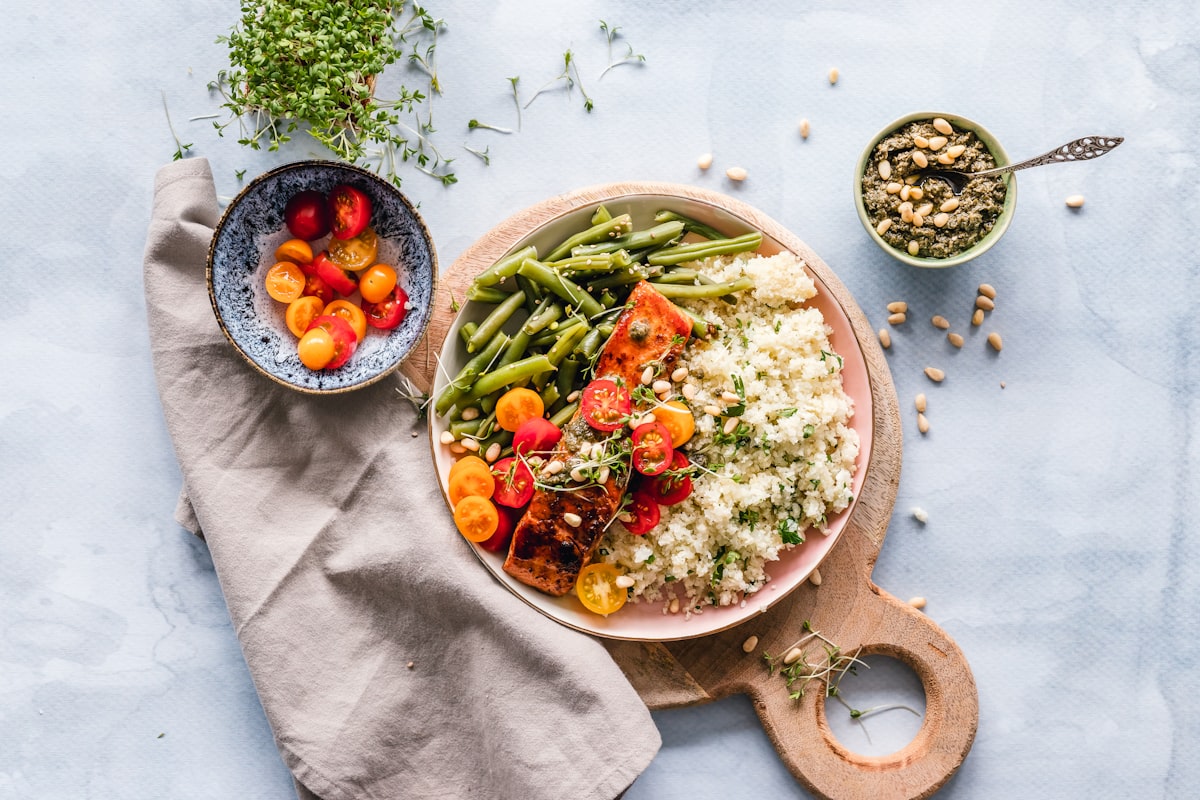
And let's not forget about low-temperature baking. This is another fantastic gentle heat method that allows flavors to develop slowly and beautifully. It's perfect for things like chicken or fish, and it gives you a lot of flexibility for seasoning. Take our Mediterranean Lime-Herb Baked Fish with Roasted Bell Peppers recipe, for example. It uses a gentle baking approach to create a dish that's bursting with flavor from fresh herbs, lime, and colorful bell peppers, all while keeping sulfur levels in mind. These gentle methods are truly a game-changer; they help you avoid excessive oxidative damage to fats and keep your ingredients tasting fresh and light, making your meals feel wonderfully clean and satisfying.
The Pressure's Off: Smart Pressure Cooking
Sometimes, life calls for a quicker way to get dinner on the table, and that's where pressure cooking can really shine, even on a low sulfur diet. It might seem counterintuitive at first, given the high heat involved, but with a clever little trick, it can actually be a really beneficial tool for you.
Pressure cooking works by trapping steam, which then builds up pressure inside the pot. This raises the boiling point of water, allowing food to cook much faster and more efficiently. For tougher cuts of meat or certain vegetables that need a longer cook time to become tender, it's a lifesaver.
The key to making pressure cooking work for a low sulfur approach is to remember the 'drain' part of the equation. Just like with boiling, some of those sulfur compounds can dissolve into the cooking liquid under pressure. So, once your food is cooked, you'll want to carefully release the pressure and drain away that liquid. This ensures that you're removing any dissolved sulfur compounds that have leached out during the cooking process.
Think about how you might prepare a stew or a hearty protein. You can pressure cook your meat or certain vegetables until they're tender, then drain the liquid, and then add fresh, low-sulfur broth or water and your chosen seasonings to finish your dish. It's a fantastic way to tenderize ingredients quickly while still being mindful of your dietary needs. So, don't shy away from your pressure cooker; just remember that important step of draining for a truly low sulfur meal!
Flavor First: Smart Seasoning and Fat Choices
Cooking on a low sulfur diet doesn't mean your meals have to be bland – far from it! This is where you get to truly explore and celebrate the incredible world of herbs, spices, and smart fat choices. It's about building layers of flavor that make your taste buds sing, without relying on those higher-sulfur ingredients.
Let's talk about fats first. While butter is delicious, for some individuals, it might contain higher sulfur components than other options. That's why I always recommend reaching for light olive oil or coconut oil instead. They're not only naturally lower in sulfur, but they also bring wonderful, diverse flavors and healthy fats to your dishes. Extra virgin olive oil, a cornerstone of the Mediterranean diet, offers fantastic antioxidants and a rich taste, while coconut oil can add a lovely subtle sweetness to your cooking.
Now for the fun part: herbs and spices! This is your secret weapon for creating incredible depth of flavor without needing high-sulfur ingredients like garlic and onion. Here are some of my favorite choices:
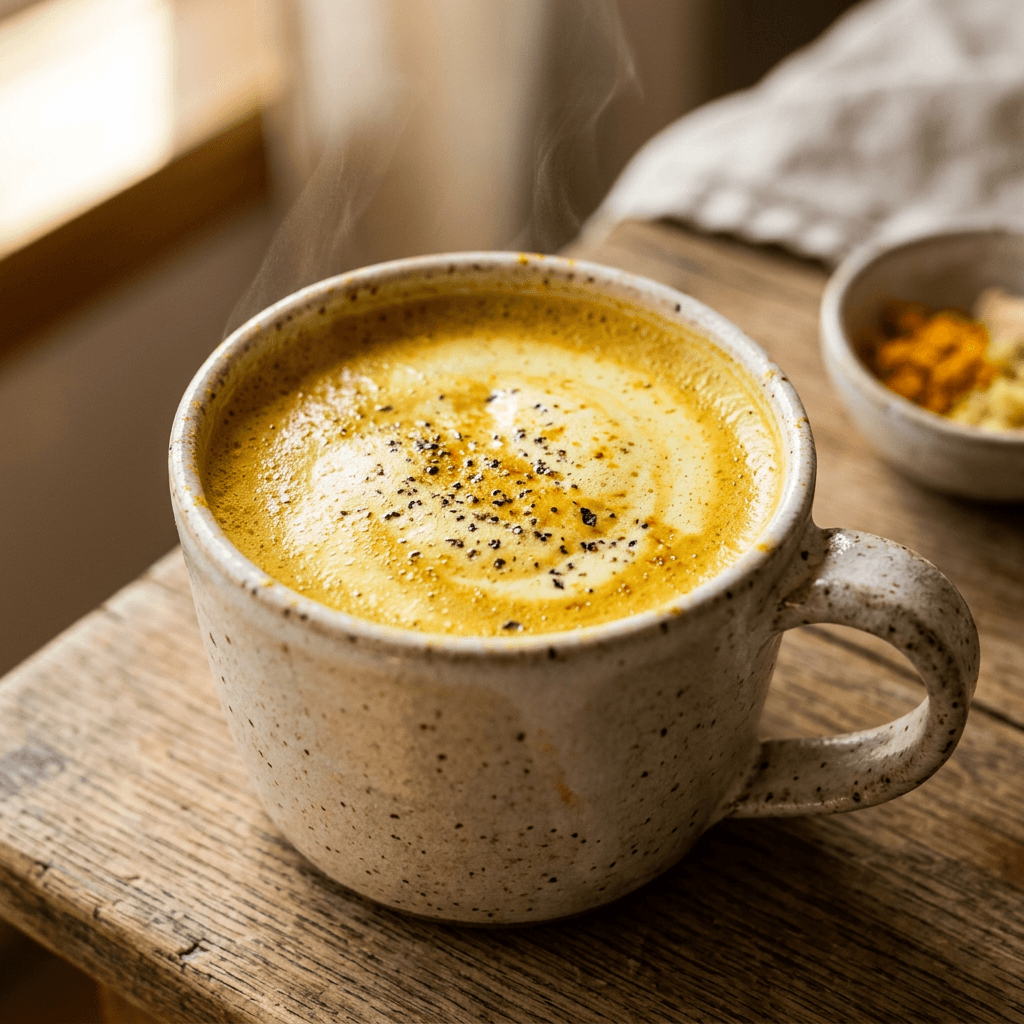
- Anti-inflammatory superstars: Turmeric, ginger, cinnamon, and cardamom are not just flavorful; they're also known for their anti-inflammatory properties. Our Aromatic Low-Sulfur Chicken Biryani and Low-Sulfur Indian Turkey & Sweet Potato Curry recipes are beautiful examples of how these spices can create deeply satisfying and aromatic dishes.
- Fresh herbs: Don't underestimate the power of fresh rosemary, thyme, basil, mint, and parsley. They're packed with vibrant flavors and often have their own anti-inflammatory benefits. Imagine the bright freshness of basil in a tomato-based dish, or the earthy aroma of rosemary with baked chicken. Our Mediterranean Lime-Herb Baked Fish uses rosemary and parsley to perfection.
- Citrus: A squeeze of fresh lemon or lime juice can instantly brighten and lift a dish, adding a zesty tang that makes flavors pop. It's a simple, low-sulfur way to add incredible zest, just like we do in our baked fish recipe.
- Other aromatics: Fresh ginger is another fantastic low-sulfur aromatic that adds warmth and a gentle zing to many dishes, especially in Asian and Indian-inspired cooking.
When you're dining out, these principles are just as important. I always suggest asking for plain grilled fish or chicken, specifying low-sulfur steamed vegetables like carrots, zucchini, or green beans, and requesting olive oil and lemon wedges for dressing instead of bottled vinaigrettes. And here's a big one: always skip the sauces, marinades, and gravies, as they are often primary sources of hidden garlic, onion, and other high-sulfur ingredients. Your server might be surprised, but your body will thank you!
Your Low Sulfur Cooking Toolbox: Practical Takeaways
Okay, you've got this! We've covered a lot of ground, and now it's time to put these wonderful low sulfur cooking methods into practice. Remember, every small step you take in the kitchen is a step towards feeling better and enjoying your food more.
Here are your key takeaways to help you master low sulfur cooking:
- Embrace the Soak-and-Boil: If you're cooking legumes, or even some higher-sulfur vegetables like cabbage, make sure to soak them thoroughly and then boil them, always discarding the water afterwards. This is your go-to for reducing those dissolved sulfur compounds.
- Go Gentle with Heat: Steaming, poaching, and low-temperature baking are your best friends for preserving nutrients and keeping sulfur levels in check. These methods are kind to your ingredients and kind to your body.
- Pressure Cook Smart: If you're using a pressure cooker for speed and tenderness, remember that crucial step: drain the liquid once your food is cooked. This helps remove any sulfur compounds that have leached out.
- Flavor with Flair: Ditch the high-sulfur alliums and dive into the aromatic world of fresh herbs and spices. Think turmeric, ginger, cinnamon, cardamom, rosemary, thyme, basil, mint, and plenty of fresh citrus! These are your superstars for building incredible flavor.
- Choose Your Fats Wisely: Opt for light olive oil or coconut oil over butter to manage sulfur content while adding healthy fats and deliciousness.
And remember, GentleFeast has some fantastic recipes designed with these principles in mind:
- Our Mediterranean Lime-Herb Baked Fish with Roasted Bell Peppers is a perfect example of gentle baking and fresh, bright flavors.
- For something wonderfully aromatic and comforting, explore the Aromatic Low-Sulfur Chicken Biryani or the Low-Sulfur Indian Turkey & Sweet Potato Curry to see how beautifully spices can transform a meal!
Navigating a low sulfur diet doesn't have to mean sacrificing flavor or feeling deprived. It's truly an exciting opportunity to get creative in the kitchen, explore new techniques, and discover just how delicious simple, wholesome ingredients can be. You're doing incredible work taking care of yourself, and I'm here to cheer you on every step of the way. You deserve to eat well and feel amazing! To get started, why not pick just one new cooking method we talked about, like steaming your veggies or trying a gently baked fish dish, and give it a whirl this week? I promise, your culinary world is about to expand in the most wonderful way!
Which foods are behind your symptoms?
A free 60-second check to help you narrow it down — plus recipes matched to what works for your body.
Find my food triggers