Beyond Food: Discovering Hidden Salicylates in Everyday Products and Medications
Ever wonder why your salicylate symptoms persist even after careful eating? It turns out salicylates are hiding in everyday products and medications, not just food. Let's uncover these sneaky sources together so you can feel better.
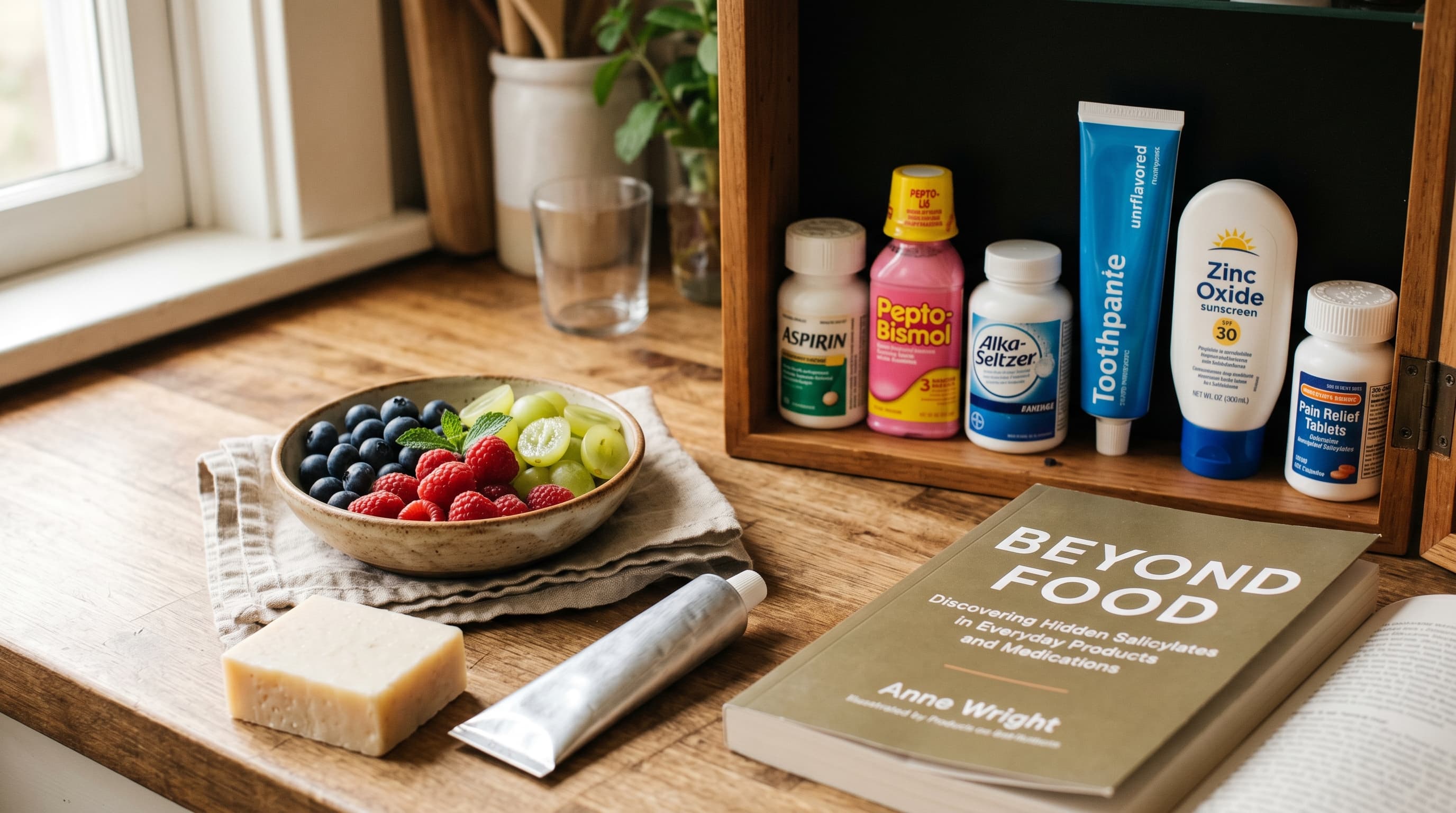
Beyond Food: Discovering Hidden Salicylates in Everyday Products and Medications
It can feel so incredibly frustrating, can't it? You've been diligently watching what you eat, carefully selecting your ingredients, and yet those familiar symptoms of salicylate sensitivity still pop up. You're left wondering, "What am I missing?"
I've been looking into this, and I want to share something truly eye-opening: salicylates aren't just in your food. They're often lurking in the most unexpected places – your personal care products, your medicine cabinet, and even your home environment. The good news is, once you know where to look, you'll feel so much more empowered to manage your total salicylate load.
What Are Salicylates, Anyway? Let's Break It Down
Before we dive into the sneaky sources, let's quickly chat about what salicylates actually are. Simply put, they're natural chemicals found in many plants. Think of them like a plant's built-in defense mechanism, helping them fight off pests and diseases. Aspirin is probably the most famous salicylate, but there are lots of natural forms too.
For most people, salicylates aren't an issue. But if you have salicylate sensitivity, your body has a tough time breaking them down and processing them efficiently. This can lead to a whole range of symptoms, from skin rashes and headaches to digestive upset and behavioral changes. It's not an allergy, but rather an intolerance, and it's all about how much your body can handle before its 'bucket' overflows.
The concept of a total load is really important here, as research from Monash University and others often highlights. It means that even small amounts from different sources can add up. So, if your body is already trying to process salicylates from your breakfast, and then you add more from your toothpaste, and then more from a scented candle, that's when symptoms can flare up. It's like a balancing act, and every little bit counts!
Your Personal Care Products: A Surprising Source of Salicylates
This is often where many people find the biggest surprises! We tend to think of our personal care items as harmless, but many are packed with ingredients that contain salicylates. It's not about being afraid of these products, but simply being aware and making informed choices.
Toothpaste and Mouthwash
Did you know that most toothpastes contain mint? Peppermint and spearmint are very high in salicylates. Every time you brush your teeth, you're exposing yourself to them! The same goes for many mouthwashes, which often contain essential oils like wintergreen or peppermint, both extremely high in salicylates. A simple switch here can make a world of difference. You might want to look for unflavored toothpastes or even try a simple salt water rinse for mouthwash, as suggested by resources like the RPAH Elimination Diet Handbook.
Skincare, Shampoo, and Cosmetics
Our skin is our largest organ, and it absorbs what we put on it. Many skincare products, shampoos, conditioners, and cosmetics contain botanical ingredients, plant extracts, essential oils, and fragrances – all common sources of salicylates. Even products designed for acne often contain salicylic acid, which is, well, a salicylate! Fruit acids (AHAs) can also be a concern for some.
When you're looking at labels, keep an eye out for terms like:
- "Fragrance" or "Parfum"
- Mint (peppermint, spearmint)
- Wintergreen
- Tea tree oil
- Aloe vera
- Rosemary, thyme, basil, oregano (common in botanical extracts)
- Fruit extracts (e.g., citrus, berry)
And yes, even some sunscreens contain salicylate-based UV filters. Don't worry, you can still protect your skin! Just look for formulas that use pure zinc oxide or titanium dioxide as their active ingredients.
Medications and Supplements: More Than Just Aspirin
When we think of salicylates in medicine, aspirin usually comes to mind first. And for good reason, it's acetylsalicylic acid! But there are several other common medications and supplements that can contribute to your salicylate load, often without you even realizing it.
The Obvious Ones
Beyond aspirin, you'll want to be mindful of:
- Pepto-Bismol (bismuth subsalicylate)
- Many muscle rubs and pain creams (like Bengay, which contains methyl salicylate)
- Wart removers (often salicylic acid)
- Some acne treatments (containing salicylic acid)
These are pretty direct sources, and if you're sensitive, your doctor will likely advise you to steer clear. Always chat with your healthcare provider about any medications you're taking or considering, especially if you have a known salicylate sensitivity.
The Hidden Ones
This is where it gets a little trickier! Many common items in your medicine cabinet can be hidden sources:
- Herbal supplements: Think about all those wonderful plant extracts! Many contain salicylates.
- Flavored medications: Chewable tablets, syrups, or even some capsules can have fruit or mint flavors.
- Vitamin gummies: These are usually flavored and colored, making them potential culprits.
- Some antacids: Certain formulations might contain problematic ingredients.
It's a good idea to chat with your pharmacist or doctor about the ingredients in all your medications and supplements. The good news is that generally, paracetamol or acetaminophen (like Tylenol or Panadol) is considered safe from salicylates.
Your Home Environment: Scented Surprises
Our homes are meant to be our sanctuaries, but even they can harbor hidden salicylates, especially if you love a beautifully scented space. Many products designed to make our homes smell lovely can actually release salicylates into the air.
Think about things like:
- Air fresheners: Sprays, plug-ins, and gels often contain synthetic fragrances that can be problematic.
- Scented candles: While they create a cozy ambiance, the fragrances released during burning can contribute to your total load.
- Essential oil diffusers: This one can be particularly surprising for those who embrace natural living. Many popular essential oils (like peppermint, wintergreen, tea tree, and many floral or citrus oils) are high in salicylates.
- Cleaning products with fragrances: Scented floor cleaners, bathroom sprays, and all-purpose cleaners can release these compounds.
- Laundry detergents and fabric softeners: The lovely fresh scent left on your clothes often comes from fragrances that contain salicylates, and you're wearing them all day!
The solution here is often quite simple and effective: go fragrance-free throughout your home. This single change can significantly reduce your environmental exposure and make a real difference to your salicylate load, as highlighted by resources like the Australian Food Intolerance Network.
Putting It All Together: Your Practical Action Plan
I know this might feel like a lot to take in, but remember that knowledge is power! You don't have to overhaul everything overnight. The goal here isn't perfection, it's about reducing your total load and finding what works for *your* body.
Here are some practical steps you can start taking today:
-
Become a Label Detective: Start reading the ingredient lists on all your personal care products, medications, and household items. Look for keywords like:
- Fragrance, Parfum
- Salicylic Acid (especially in acne treatments)
- Methyl Salicylate (in muscle rubs)
- Bismuth Subsalicylate (in stomach remedies)
- Mint (Peppermint, Spearmint)
- Wintergreen
- Any listed Essential Oils (unless you know them to be low salicylate)
- Botanical Extracts, Plant Extracts, Fruit Extracts
-
Start Small, Make One Switch: Don't feel like you need to change everything at once. Pick just *one* area to focus on first. Maybe it's switching to an unflavored toothpaste, or trying a fragrance-free laundry detergent. Small steps add up!
-
Patch Test New Products: When you try a new lotion, shampoo, or cosmetic, test a tiny bit on a small, discreet area of your skin (like your inner arm) for a day or two before using it all over. This can help you identify potential reactions.
-
Embrace Fragrance-Free for Your Home: Consider swapping out scented candles, air fresheners, and cleaning products for their fragrance-free counterparts. It creates a cleaner environment for everyone, and especially for those with sensitivities.
-
Chat with Your Healthcare Team: Always talk to your doctor, pharmacist, or a registered dietitian if you're making significant changes, especially concerning medications or if your symptoms are severe. They can offer tailored advice and help you navigate this journey safely.
Remember, managing salicylate sensitivity is a holistic approach. It's not just about what you eat, but also what you put on your body and what you breathe in. At GentleFeast, we're all about empowering you with delicious, tolerant-friendly recipes, like our Creamy Leek and Potato Soup (Low Salicylate), German Baked Bananas with Creamy Rice Pudding, or our Peeled Pear and Oat Crumble. These recipes are carefully crafted to be gentle on your system, helping you create more room in that 'salicylate bucket'!
You've Got This!
Discovering hidden salicylates can feel like uncovering a mystery, but it's a huge step forward in understanding your body better. It's not about restriction, but about finding freedom and comfort through knowledge. Be patient and kind to yourself as you explore these new areas.
Let's take one small, hopeful step together. This week, pick just *one* non-food product in your home – maybe your toothpaste, your favorite lotion, or a cleaning spray – and check its ingredients. You're building a healthier, happier environment for yourself, one gentle choice at a time!
Which foods are behind your symptoms?
A free 60-second check to help you narrow it down — plus recipes matched to what works for your body.
Find my food triggers