Navigating a Low Salicylate Diet: Your Comprehensive Guide to Gentle Eating
Feeling like healthy foods are fighting you? Let's gently explore the low salicylate diet together with clear food lists and simple swaps to help you feel better.
Your gentle guide to the low salicylate diet
Does it ever feel like the “healthiest” foods are the ones that make you feel the worst? If you’re struggling with confusing symptoms and suspect that vibrant fruits, vegetables, and spices might be the culprit, you’re not alone, and I want you to know that there’s a path forward. Let’s walk through the world of salicylates together, gently and without fear, so you can start feeling better.
So, what exactly are salicylates?
I know the word itself sounds a bit intimidating, but the concept is actually pretty straightforward. Salicylates are natural chemicals made by plants to protect themselves from things like insects, fungi, and disease. Think of it as a plant’s built-in immune system.
Because they’re part of a plant's defense mechanism, they are often found in the highest concentrations in the parts that need the most protection: the skin, leaves, bark, and seeds. This is why a simple action like peeling your fruits and vegetables can sometimes make a big difference in your tolerance.
These compounds are in a surprisingly huge number of foods, from the most colorful berries to the most fragrant herbs and spices. They're also the foundation for one of the most common medications in the world.
The aspirin connection you need to know about
Here’s the biggest “aha” moment for many people when they first learn about this sensitivity. Have you ever had a reaction to aspirin? The active ingredient in aspirin is acetylsalicylic acid. When you take it, your body breaks it down into salicylic acid—the very same compound found in plants.
This connection is so strong that salicylate sensitivity is sometimes called “aspirin intolerance.” If you know that aspirin or other NSAIDs (like ibuprofen) give you trouble, it’s a significant clue that the salicylates in your food might be contributing to your symptoms, too. It’s all connected to the same biological pathway in your body.
How do I know if I'm sensitive to salicylates?
Salicylate sensitivity isn’t a true allergy involving the immune system's IgE antibodies. It's an intolerance, which means the symptoms can be much broader and often delayed, making them tricky to pin down. The research is still evolving, but it seems to involve how our bodies process these compounds, potentially linked to certain enzyme pathways.
Symptoms can show up all over the body and can vary a lot from person to person. Some of the most common signs include:
- Skin issues like hives, rashes, or eczema
- Respiratory problems like asthma, a stuffy or runny nose, or nasal polyps
- Digestive upset like stomach pain, bloating, or diarrhea
- Neurological symptoms like headaches, migraines, tinnitus (ringing in the ears), or hyperactivity
Because these symptoms overlap with so many other conditions, it's so important to work with a doctor or a registered dietitian. They can help you rule out other possibilities and guide you through a proper elimination diet if it’s the right next step for you. This isn't a journey you have to take by yourself.
It’s not just what you eat: the cumulative load
One of the most confusing parts of salicylate sensitivity is that your reactions can seem inconsistent. One day you might eat a few carrots and feel fine, but the next day the same amount causes a flare-up. This is often because of something called cumulative load.
Your body has a certain threshold for salicylates it can handle at one time. Think of it like a bucket. A few drops from your food might be fine, but if the bucket is already half-full from other sources, those same few drops can make it overflow. This is why we have to look beyond the plate.
According to researchers, several non-food sources can add to your total salicylate load:
- Medications: Aspirin is the most obvious one, but many other over-the-counter drugs contain salicylates. This includes many NSAIDs (like ibuprofen and naproxen) and even stomach remedies like Pepto-Bismol (bismuth subsalicylate).
- Topical Products: Your skin absorbs what you put on it. Many skincare products, especially acne treatments and chemical peels, contain salicylic acid. It’s also hidden in muscle pain creams, lotions, and sunscreens, often listed as methyl salicylate (the scent of wintergreen).
- Fragrances: That “minty” or “wintergreen” scent in toothpaste, mouthwash, perfumes, and air fresheners often comes from salicylates.
Looking at labels on *everything* that goes in or on your body is a key part of managing this sensitivity. It’s not just about food; it's about your total exposure.
The paradox of “healthy” high-salicylate foods
Okay, let’s talk about the elephant in the room. When you first see a list of high-salicylate foods, it can be really disheartening. Berries, broccoli, spinach, almonds, avocados, olive oil, turmeric, ginger… it reads like a who’s who of the anti-inflammatory world.
This is the central paradox of a low salicylate diet. For the vast majority of people, the compounds in these foods are incredibly beneficial, fighting inflammation and protecting cells. But if your body struggles to process them, they can have the opposite effect and *trigger* inflammatory symptoms.
Please hear me on this: this doesn't mean those foods are “bad.” It just means they might not be right for *you*, right now. The goal isn't to eat a bland, boring diet forever. The goal is to lower your total load to a level that your body can handle, calm the symptoms, and then figure out which foods you can enjoy and in what amounts.
The good news is, there are still wonderful, nourishing foods you can eat. Instead of focusing on the famous anti-inflammatory powerhouses you have to avoid, we can celebrate the gentle ones that work for you. Research highlights foods like peeled pears, bananas, cabbage, celery, and cashews as having anti-inflammatory properties while being low in salicylates.
Your guide to low salicylate foods
This is where we get practical. Navigating food lists can feel like a full-time job, so I’ve broken it down into simple categories based on information from several clinical sources. This is your starting point for an elimination phase, where you focus on the safest foods to give your body a break.
Foods to enjoy freely (Negligible & Low Salicylates)
These are the foundational foods of a low salicylate diet. They contain very low or virtually undetectable levels of salicylates and are generally well-tolerated by even the most sensitive people.
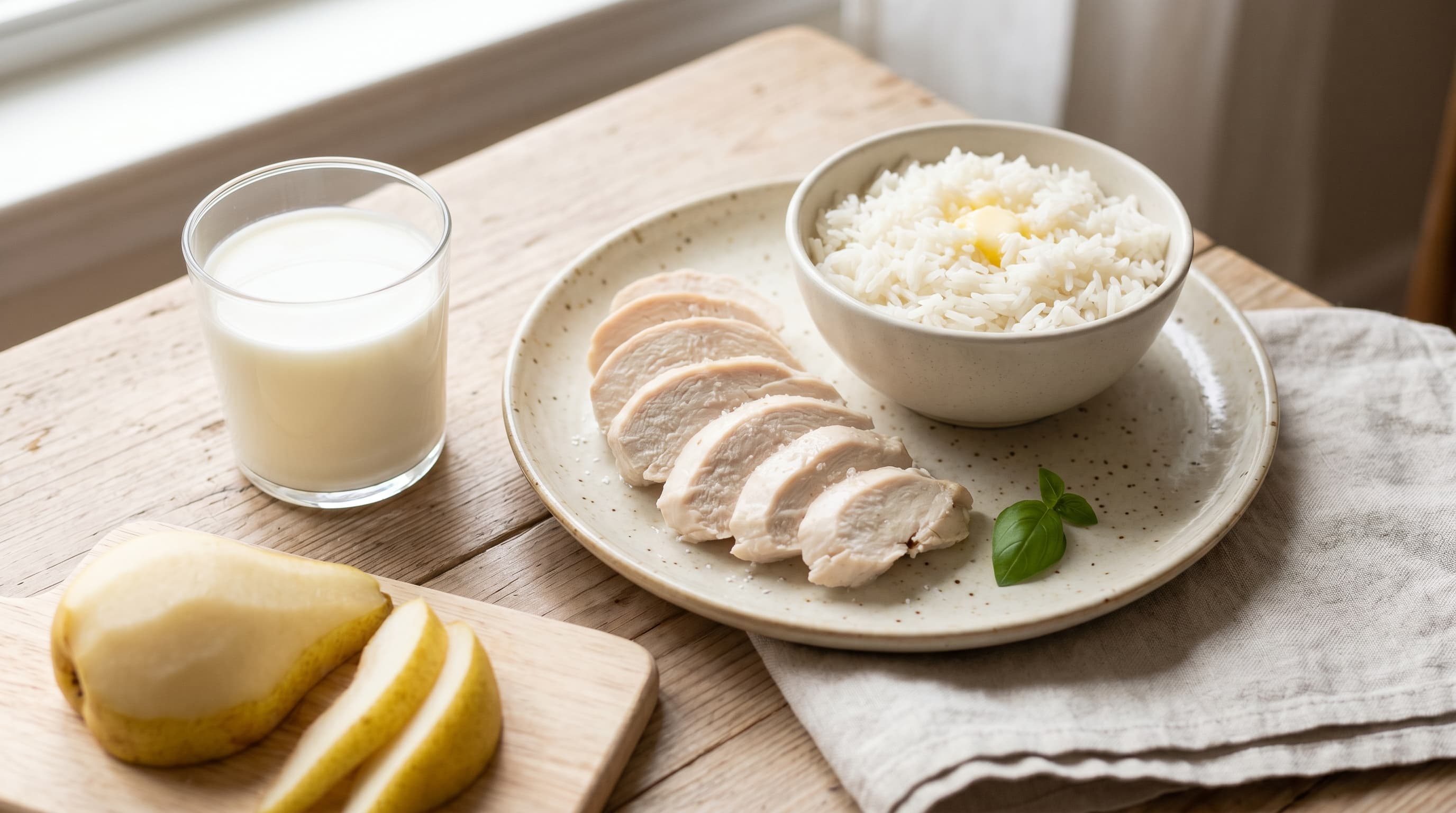
- Fruits: Ripe pears (peeled), Golden Delicious apples (peeled), bananas, papaya.
- Vegetables: Cabbage (green and white), Brussels sprouts, leeks, chives, iceberg lettuce, celery, swede/turnip, white potatoes (peeled), bamboo shoots.
- Proteins: Freshly cooked plain meat (beef, lamb, pork), poultry (chicken, turkey), fresh fish and seafood, and eggs.
- Grains: White rice, rice noodles, plain rice cakes, tapioca, plain pasta from white flour.
- Legumes: Lentils, chickpeas, and split peas (in moderation, well-rinsed).
- Fats & Oils: Butter, ghee, sunflower oil, safflower oil, canola oil.
- Dairy: Plain milk, cream, plain yogurt, cream cheese, and mild cheeses like ricotta.
- Sweeteners: Maple syrup, white sugar, glucose syrup.
- Drinks: Water, plain soda water, plain milk.
Foods to approach with caution (Moderate Salicylates)
Once your symptoms have calmed down, you might find you can tolerate small amounts of these foods. These should be reintroduced one by one, carefully, to see how you feel.
- Fruits: Mango, lemon, lime, guava, ripe pears (with skin).
- Vegetables: Carrots, sweet potatoes, green beans, asparagus, mushrooms, darker lettuce varieties.
- Grains: Oats, quinoa, brown rice.
Foods to limit for now (High & Very High Salicylates)
These are the foods with the highest concentration of salicylates. During the initial elimination phase, it’s best to avoid these completely to allow your system to reset.
- Fruits: All berries (strawberries, raspberries, blueberries), cherries, grapes, oranges, pineapple, plums, apricots, dates.
- Vegetables: Tomatoes (and all tomato products), peppers, zucchini, eggplant, cucumbers, spinach, broccoli, cauliflower, radishes.
- Spices & Herbs: This is a big category! Nearly all dried herbs and spices are very high, especially turmeric, paprika, curry powder, thyme, rosemary, mint, and cinnamon.
- Nuts & Seeds: Almonds are particularly high, as are most other nuts and seeds.
- Fats & Oils: Olive oil, coconut oil, avocado oil.
- Drinks: Tea (black, green, and herbal), coffee, wine, beer, fruit and vegetable juices.
- Sweets & Condiments: Honey, jams, jellies, most vinegars, soy sauce, tomato sauce.
Putting it all together: a sample low salicylate day
Seeing it all on a plate makes it feel much more manageable, doesn't it? Here’s what a delicious, gentle day of eating could look like, using some of our favorite GentleFeast recipes.
- Breakfast: Start your day with our Comforting Low-Salicylate British Breakfast. It features soft scrambled eggs made with milk and butter, fresh chives, and sautéed leeks. It’s simple, satisfying, and completely safe.
- Lunch: Warm up with a bowl of our Creamy Leek and Potato Soup. It’s blended until silky smooth and gets its richness from safe ingredients like peeled potatoes, leeks, milk, and sunflower oil. We even poach mild haddock right in the soup for a lovely protein boost.
- Dinner: A simple pan-seared chicken breast or piece of cod, seasoned only with salt. Serve it with a generous portion of steamed white rice and sautéed green cabbage with a knob of butter.
- Dessert: For a sweet and comforting treat, you could have our German Baked Bananas with Creamy Rice Pudding. It’s naturally sweet, creamy, and uses only low-salicylate ingredients to create a truly gentle dessert.
The reintroduction phase: finding your personal threshold
I want to be very clear about this: the strict elimination phase is a temporary tool, not a permanent lifestyle. Its purpose is to calm your system down so you can get a clean slate. The real magic happens in the reintroduction phase.
Once you're feeling significantly better, you'll start to test foods one at a time, in small amounts, to see what your personal threshold is. This process should be slow, methodical, and ideally done with the guidance of a professional who can help you interpret your body’s signals.
You might discover that you can handle a few slices of carrot but not a whole one, or that you can eat oats once a week without issue. The goal is *not* to stay on the most restrictive diet possible. The goal is to build the most varied and delicious diet that you can personally and comfortably tolerate. It’s about finding freedom, not restriction.
This journey is a powerful act of self-care. It’s about tuning in and listening to the subtle messages your body is sending you. It can be challenging, but it’s also incredibly empowering to finally understand what makes you feel your best.
For today, just take one small step. Maybe that means swapping your afternoon tea for a simple glass of water, or choosing a banana over a handful of berries for your snack. That’s it. One little change is a huge victory. You're on your way.
Which foods are behind your symptoms?
A free 60-second check to help you narrow it down — plus recipes matched to what works for your body.
Find my food triggers