The Low Salicylate Food List: What's Safe, What's Not
Feeling overwhelmed by salicylate sensitivity? I've compiled a comprehensive guide to low salicylate foods to help you navigate your diet with ease and enjoyment.
Ever feel like your body's sending you mixed signals after certain meals? You're definitely not alone, and if salicylates are part of your puzzle, you know how frustrating it can be to figure out what's safe to eat.
It’s like trying to navigate a maze with a blindfold on, isn't it? But don't worry, I've done the digging, and I'm here to share a clear, comprehensive guide to low salicylate foods that can help you find some much-needed relief and enjoyment in your meals.
Understanding Salicylate Sensitivity: What's Going On?
First things first, let's talk about what salicylates actually are. They're natural chemical compounds found in lots of fruits, vegetables, and spices, and they act as a kind of natural pesticide or protective shield for plants. For most people, they're completely harmless, and some even have anti-inflammatory benefits!
However, for those of us with salicylate sensitivity, our bodies just don't process them quite as easily. It's not an allergy, but more like an intolerance where too much salicylate can lead to a variety of uncomfortable symptoms, from skin issues to digestive upset or even headaches.
The trickiest part is that it's often about the cumulative load – meaning it's the total amount of salicylates you consume over a period that can trigger symptoms, rather than just one single food. This is why managing a low salicylate diet can feel so confusing!
And it's not just food! Salicylates can also pop up in unexpected places like certain medications – think aspirin or some NSAIDs – and even in topical products like lotions or pain relief creams. It's always a good idea to chat with your pharmacist about any medications you're taking if you're exploring salicylate sensitivity.
The good news is, once you start to understand how salicylates work and which foods contain them, you're empowered to make choices that truly support your body and bring you closer to feeling your best.
How We Classify Salicylate Levels in Foods
When you're trying to figure out what to eat, it helps to have a system, right? Researchers, like those whose work informs our understanding, often categorize foods by their salicylate content per 100g serving. This helps us understand which foods are generally well-tolerated and which ones might be problematic.
It's important to remember that these are general guidelines, and your personal tolerance might be a little different. That's why listening to your body is always key!
- Negligible Salicylate: These foods have barely any detectable salicylates and are usually safe for even the most sensitive individuals. Think plain water, white sugar, or plain meats.
- Low Salicylate: These foods contain very small amounts (typically less than 0.1 mg per 100g serving). Many people on a low salicylate diet can enjoy these in moderation. Peeled pears and potatoes often fall into this group.
- Moderate Salicylate: Here, the levels are a bit higher (around 0.1-0.5 mg per 100g serving). You might need to limit these or enjoy them in smaller portions, depending on your individual sensitivity.
- High & Very High Salicylate: These foods contain significant amounts of salicylates and are typically avoided on a strict low salicylate diet. This category includes many vibrant fruits, vegetables, and most herbs and spices.
Remember that peeling fruits and vegetables can often reduce their salicylate content, as salicylates tend to concentrate in the skin! This is a simple but powerful tip.
Your Everyday Low Salicylate Food List: What You Can Enjoy
Let's get to the good stuff – what you can eat! Building a varied and delicious low salicylate diet is absolutely possible. Here's a breakdown by food group, focusing on those "negligible" and "low" categories to make your meal planning easier.
Fruits That Play Nice
While many fruits are high in salicylates, there are some wonderful, gentle options you can enjoy. Always remember to peel them to reduce their salicylate load.
- Pears: Especially peeled pears. They're a sweet, juicy, and safe choice.
- Bananas: A fantastic go-to fruit, naturally low in salicylates. Our German Baked Bananas with Creamy Rice Pudding recipe shows just how delicious they can be!
- Pawpaw (Papaya): Another tropical delight that's generally well-tolerated.
- Apples: Opt for peeled Golden Delicious apples.
- Lemon Juice: Small amounts can add a lovely tang without triggering symptoms.
Gentle Vegetables for Your Plate
You’ve got a good variety of veggies to choose from! Again, peeling can make a big difference.
- Cabbage: A versatile and very gentle option.
- Brussels Sprouts: Surprisingly low in salicylates and full of goodness.
- Leek: A lovely, mild onion flavor that's salicylate-friendly. Our Creamy Leek and Potato Soup is a perfect example of how to use them!
- Garlic: Small amounts of fresh garlic can add flavor without worry.
- Green Beans: A simple and safe side dish.
- Celery: A crisp addition to many meals.
- Swede (Turnip): Great for roasting or adding to soups.
- Potatoes: Always peeled potatoes are a staple for many.
- Iceberg Lettuce: A good base for salads.
- Carrots: Peeled carrots are a safe bet.
Grains and Starches for Comfort
These are your comforting carbs, perfect for building satisfying meals.
- White Rice: All types – white, brown, basmati – are generally safe and can be enjoyed freely.
- Plain Pasta: Stick to plain white pasta, and you're good to go!
- Plain White Bread: A simple choice for sandwiches or toast.
- Oats: Rolled oats are a wonderful breakfast option. You can usually have about 1 cup cooked safely.
- Barley, Millet, Semolina, Tapioca, Arrowroot, Rice Flour, White Wheat Flour: These are all excellent, low-salicylate grain and flour options for cooking and baking.
Proteins to Build On
Protein sources are generally very safe, as long as they're kept plain and simple.
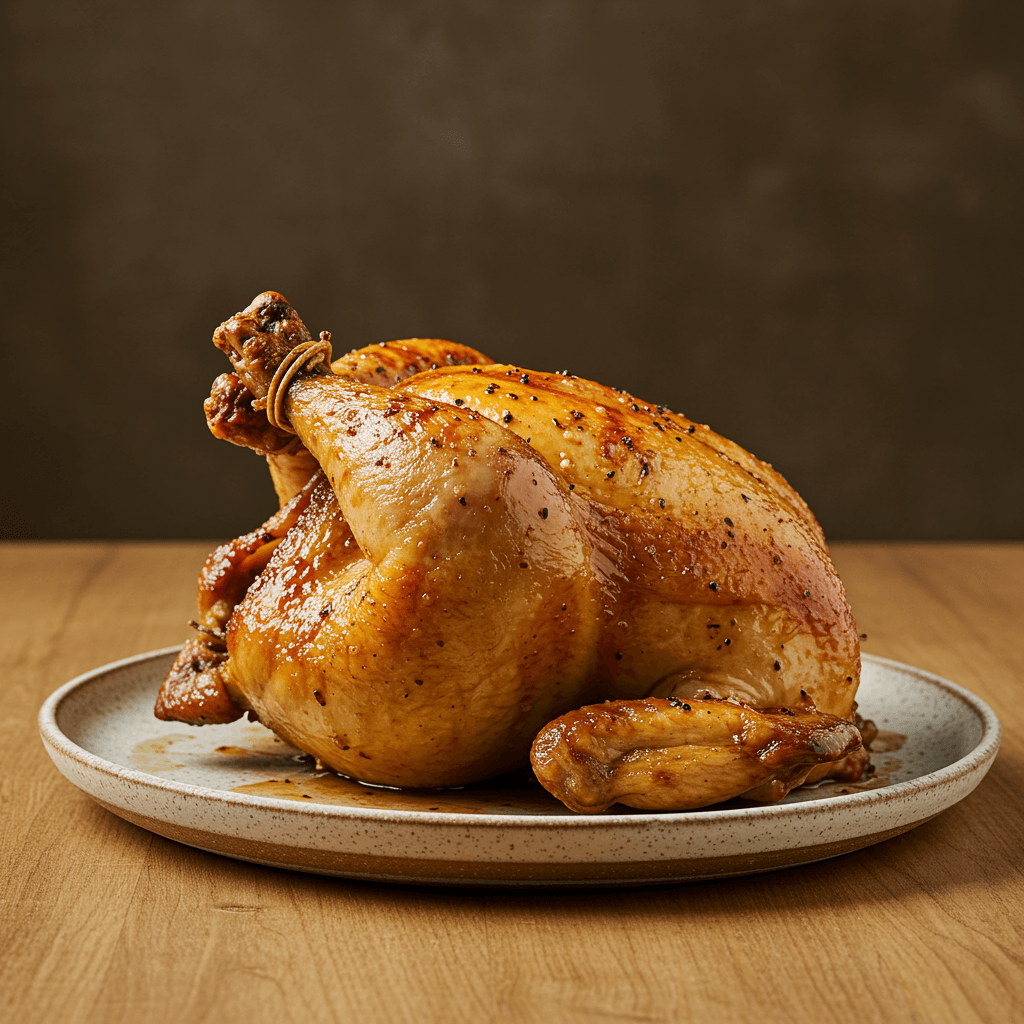
- Meat: Beef, lamb, pork, chicken, turkey, duck – all good choices.
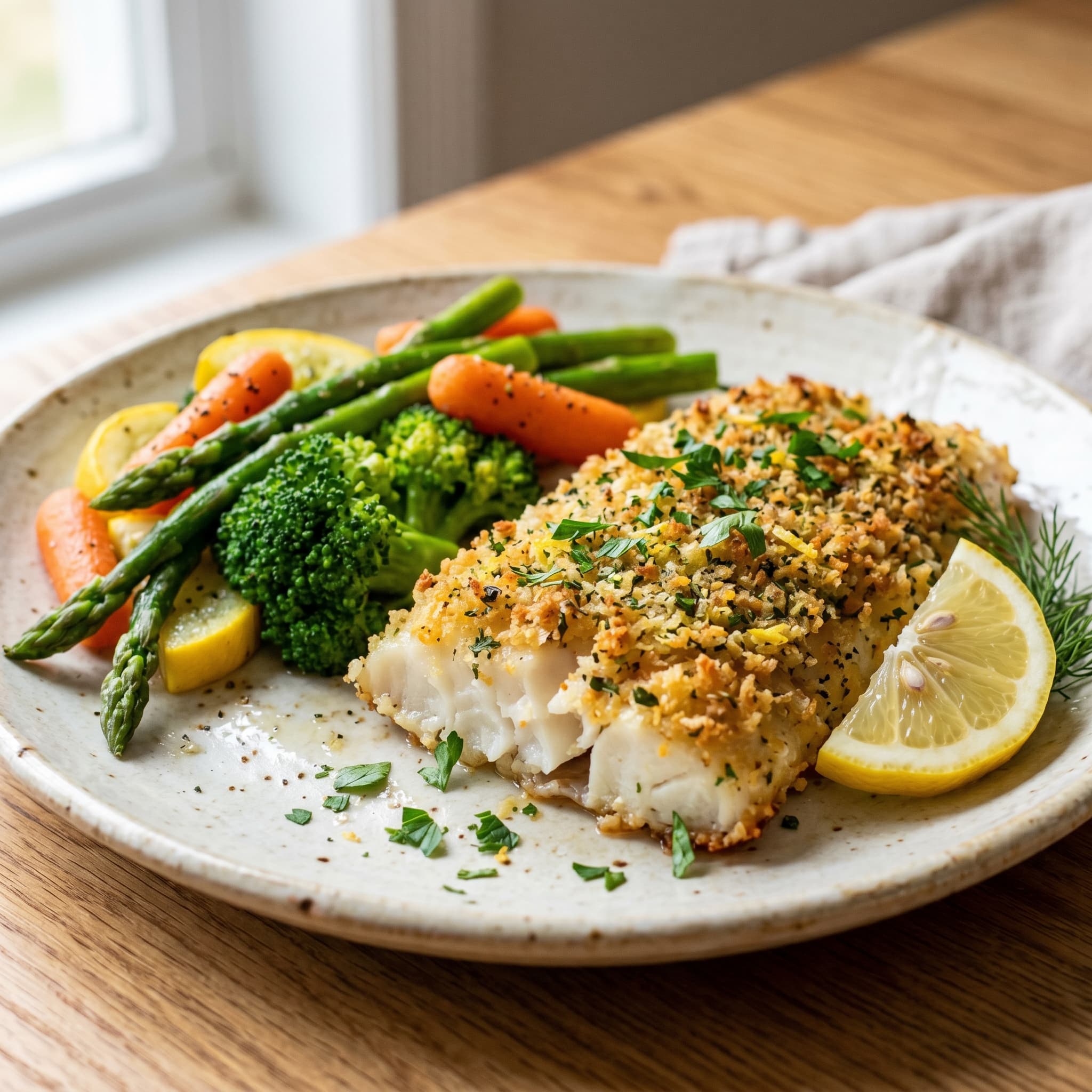
- Fish: All fresh varieties of fish and shellfish are welcome.
- Eggs: A fantastic and versatile protein, like in our Comforting Low-Salicylate British Breakfast.
- Organ Meats: These are also generally safe.
The key here is to choose plain, unprocessed proteins. Avoid anything pre-marinated, smoked, or with added seasonings, as these often contain high salicylate herbs and spices.
Dairy and Fats for Flavor and Richness
Most plain dairy products and simple fats are low in salicylates, adding wonderful flavor and texture to your meals.
- Milk: All types of plain milk are fine.
- Cream: A lovely addition for richness.
- Butter: Unsalted butter is a safe and delicious fat.
- Cheese: Stick to all plain varieties of cheese.
- Yogurt: Plain, unflavored yogurt is a good choice.
- Ice Cream: Vanilla only, and always double-check the ingredients for hidden additives.
- Cottage Cheese, Ricotta, Cream Cheese: More plain dairy options.
- Cooking Oils: Plain cooking oils like sunflower oil are good choices. Our Creamy Leek and Potato Soup uses sunflower oil beautifully!
Just be careful with flavored dairy products, especially yogurts with fruit additions or cheeses with herbs/spices, as these will likely push them into a higher salicylate category.
Navigating Herbs, Spices, and Condiments
This is where it gets a little tricky, as most herbs and spices are quite high in salicylates. But don't despair, you still have some options!
- Salt: Your best friend for seasoning!
- White Sugar: A safe sweetener.
- Rice Vinegar: A mild, low salicylate vinegar.
- Citric Acid, Tartaric Acid: These can be used for a touch of tartness.
- Chives: Fresh chives, in small amounts, are generally safe and add a lovely oniony note.
- Garlic: Again, small amounts of fresh garlic are usually fine.
Important Considerations: This is a really important area. Most herbs and spices are either high or very high in salicylates. Dried herbs typically have an even higher concentration than fresh ones, and commercial spice blends should be avoided entirely because you just can't be sure of what's in them. Always check condiment ingredients carefully!
Nuts and Seeds
Many nuts and seeds are high in salicylates, so it's best to stick to these gentle choices:
- Cashews: A great choice for snacking or adding to dishes.
- Mung Bean Sprouts: A fresh and crunchy addition.
Foods to Approach with Caution or Avoid
To help you manage your salicylate load, it's helpful to know which foods typically contain higher amounts and might be best to limit or avoid, especially when you're first figuring out your tolerance.
- Fruits: Most berries (strawberries, blueberries, raspberries), citrus fruits (oranges, mandarins, grapefruit), grapes, apricots, cherries, pineapple, and plums are generally high. Even many juices fall into this category.
- Vegetables: Broccoli, spinach, tomatoes, zucchini, cucumbers, peppers, sweet corn, and asparagus often have higher salicylate levels.
- Herbs and Spices: This is a big one! Most herbs and spices, especially dried ones, are very high. Think turmeric, ginger, rosemary, thyme, curry powder, paprika, cinnamon, clove, and even peppermint.
- Flavorings: Peppermint, almond extract, and most fruit-based flavorings.
- Condiments: Sauces like tomato sauce, pesto, many vinegars (except rice or malt), pickles, and chutneys.
- Beverages: Regular black tea, coffee, and many fruit juices can be high.
- Certain Oils: Olive oil and coconut oil, while often celebrated for their health benefits, are generally moderate to high in salicylates and usually avoided on a strict low salicylate diet. (GentleFeast recipe note, Source 3)
Beyond food, remember those other sources! Medications like aspirin, ibuprofen, naproxen, and bismuth subsalicylate (like Pepto-Bismol) contain salicylates. Many topical products, from sunscreens to pain relief creams, might also contain salicylic acid or methyl salicylate (wintergreen oil), which can be absorbed through the skin and add to your total load. Always check labels and chat with a healthcare professional if you're unsure.
Making Mealtime Gentle and Delicious
Navigating a low salicylate diet might seem challenging at first, but with a little planning, you can create truly satisfying and delicious meals. It's all about making smart swaps and focusing on simple, fresh preparations.
- Peel Everything You Can: This is probably the most impactful tip! Peeling fruits like apples and pears, and vegetables like potatoes and carrots, can significantly reduce their salicylate content. Our Creamy Leek and Potato Soup recipe specifically calls for peeling all vegetables for this reason.
- Cook Simply: Steaming, boiling, and gentle baking are your best friends. Avoid charring or over-browning foods, as this can sometimes concentrate compounds.
- Become a Label Detective: Always read ingredient lists carefully. Salicylates can hide in flavorings, "natural extracts," and spice blends.
- Focus on Whole, Plain Foods: The less processed, the better. This gives you more control over exactly what you're eating.
- Introduce New Foods Slowly: When you're trying a new low salicylate food, introduce it one at a time and in small portions. This helps you understand your personal tolerance.
A Mediterranean-Inspired Approach to Low Salicylate
At GentleFeast, we often talk about adapting the wonderful principles of the Mediterranean diet. While many traditional Mediterranean staples like olive oil, tomatoes, and certain herbs are high in salicylates, you can still embrace its spirit of fresh, whole foods and balanced meals!
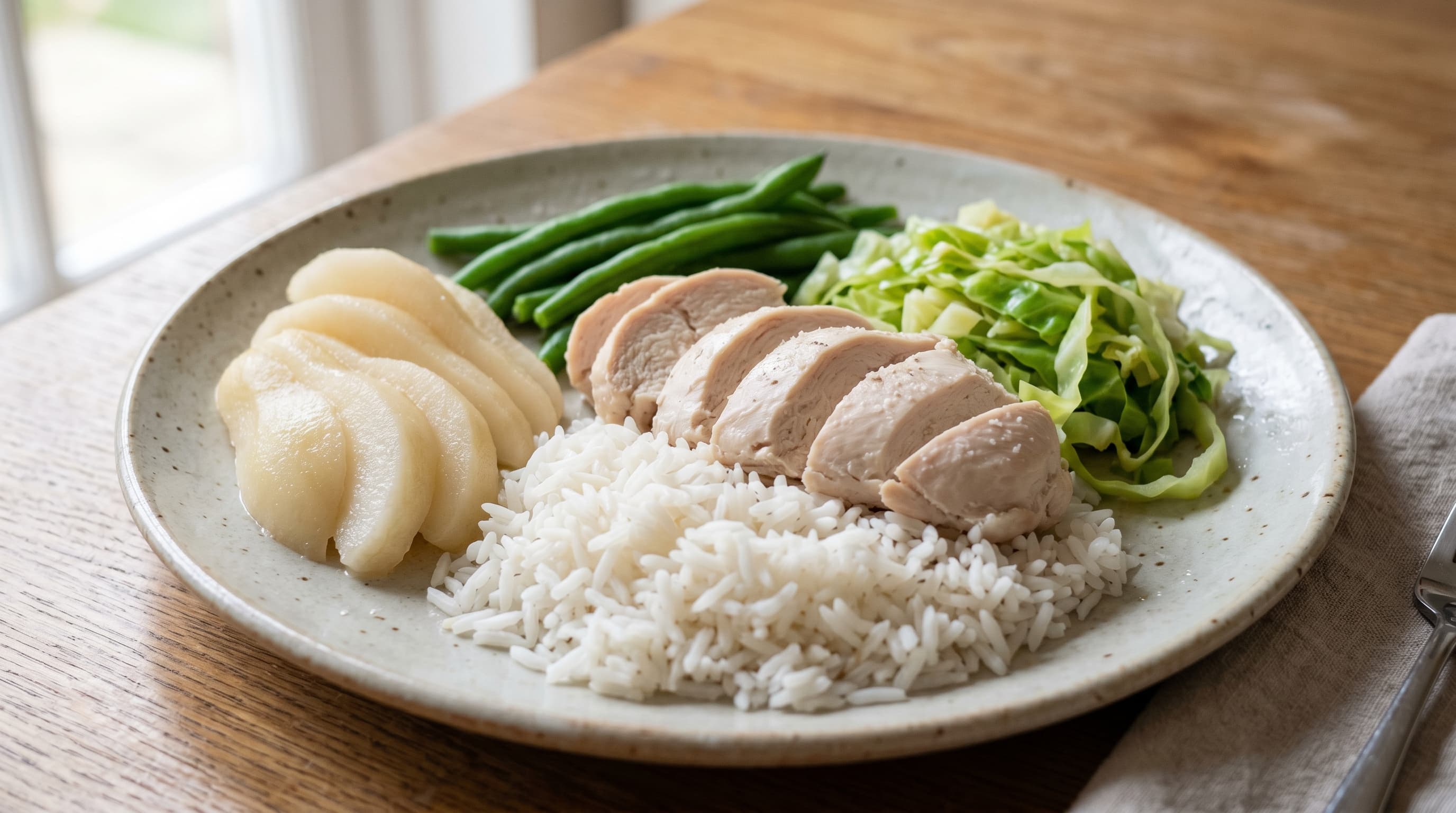
Think about building your plate with generous portions of low salicylate vegetables like cabbage and peeled potatoes, paired with lean proteins like fresh fish or chicken, and gentle grains like white rice. Instead of olive oil, you can use sunflower oil for cooking. For a touch of flavor, fresh chives and small amounts of garlic can be your go-to.
Our GentleFeast recipes are designed with this in mind! For example:
- The Comforting Low-Salicylate British Breakfast uses gentle ingredients like scrambled eggs, bacon, sautéed leeks, and sourdough toast with cream cheese, proving that a hearty meal can also be low salicylate.
- Our Creamy Leek and Potato Soup is a perfect example of a nourishing, low salicylate meal that’s both comforting and delicious, using leeks, potatoes, and sunflower oil.
- And for a sweet treat, the German Baked Bananas with Creamy Rice Pudding highlights safe fruits and grains in a delightful way.
It's about finding creative ways to enjoy wholesome, gentle foods that nourish your body without triggering discomfort. While many powerful anti-inflammatory foods like berries and turmeric are high in salicylates, you can still find anti-inflammatory benefits in foods like peeled pears, bananas, cabbage, celery, sunflower oil, and cashews.
I know this might feel like a big adjustment, but with this comprehensive guide, you've got a wonderful roadmap to feeling better and enjoying your food again. It's all about learning what works for your unique body.
Remember, every small step you take is a win for your well-being. How about you pick one new low-salicylate food from this list to try in a meal this week? Celebrate that gentle choice, and know you're on your way to a more comfortable, delicious journey!
Which foods are behind your symptoms?
A free 60-second check to help you narrow it down — plus recipes matched to what works for your body.
Find my food triggers